The reality of buying GMB tools for long-term growth
The reality of buying GMB tools for long-term growth
I stood on the corner of 5th and Main where the smell of wet concrete rose from the gutter after a flash storm. The neon sign for the hardware store flickered with a rhythmic buzz, but online, that store did not exist. It had been swallowed by a data ghost. Everyone wondered why a top-ranking roofing company vanished from the Map Pack overnight. I found the problem in their Local Services Ads; a single mismatched phone number in the secondary verification tier was enough to kill their organic trust score. I see the city through a lens of grid coordinates. Every storefront is a beacon, but some flicker because the data is rotten. People think buying a subscription to a shiny dashboard solves the proximity puzzle. They are wrong. A tool is just a lens; if the glass is cracked, the image is distorted.
The ghost in the GPS coordinates
GPS coordinates function as the foundational heartbeat of a Local Business Profile, determining the exact latitude and longitude where the algorithm anchors your physical presence. Precise pin placement dictates whether you appear in the Map Pack for ‘near me’ queries or vanish behind a proximity filter. The algorithm calculates the distance between the user’s mobile device and your verified door. It is pure math. If your pin is off by fifty feet, you might as well be in another zip code. I have seen businesses lose thirty percent of their lead flow because a delivery driver moved their pin to a back alley. This is where the software features that actually help small map listings become a necessity. You need to monitor that pin like a hawk. Static listings die. Dynamic, verified locations thrive. The proximity radius is not a circle; it is a jagged polygon influenced by traffic patterns, natural barriers, and competitor density. You must understand the physics of the three-mile radius.
“Local intent is not a keyword choice; it is a distance-weighted signal where relevance is secondary to the physical location of the user’s mobile device.” – Map Search Fundamental
The fallout of a keyword stuffed business name
Normalizing rankings after a keyword stuffed business name edit requires a total recalibration of the local trust signals and NAP consistency across the web. Google treats name changes as a high-risk event, often triggering a temporary visibility drop while it re-verifies the legitimacy of the entity. I have seen agencies stuff names like ‘Best Fast Affordable Plumber Chicago’ into a profile. It works for a week. Then the hammer drops. When you finally clean it up, the rankings do not just bounce back. You need fixing your ranking after correcting a spammy business name through a series of aggressive citation updates. The algorithm remembers the spam. It holds a grudge. You have to prove you are a real human with a real shop. This involves how we scrubbed toxic local footprints and restored rankings for clients who thought they could trick the machine. The goal is a clean, brand-first name that matches your legal documents.
- https://gmb4you.com/the-problem-with-shared-office-space-and-gmb-verification
- https://gmb4you.com/dealing-with-the-fallout-of-a-sudden-mass-review-purge
- https://gmb4you.com/how-to-identify-which-local-tools-are-worth-the-monthly-cost
- https://gmb4you.com/the-toolkit-for-tracking-local-ranking-changes-by-city-block
- https://gmb4you.com/scrubbing-the-map-cleaning-up-old-citation-spam
- https://gmb4you.com/the-best-software-for-securing-a-spot-in-the-local-3-pack
- https://gmb4you.com/cleaning-up-fake-reviews-that-are-tanking-your-trust
- https://gmb4you.com/the-strategy-for-cleaning-up-historical-spam-before-it-triggers-a-penalty
- https://gmb4you.com/a-reliable-way-to-detect-competitor-map-spam-attacks
Recovery from a google penalty for local businesses
Recovering from a Google penalty involves identifying the specific violation, such as citation spam or deceptive categories, and systematically purging the offending data from the local ecosystem. Successful recovery demands a forensic audit of every digital touchpoint to restore the profile’s authority and ranking potential. Most people panic. They delete the listing and start over. That is a mistake. You leave a trace. The forensic trace of a service area polygon remains in the cache. You need how to identify which local tools are worth the monthly cost for this specific task. Tools that scan for ‘mixed language’ listings or historic citation spam are vital. If you have listings in Spanish and English that conflict, the machine gets confused. It lowers your trust score. Cleaning this up is like power-washing a brick wall. It takes time. It takes precision. We focus on scrubbing the map cleaning up old citation spam because Google hates a messy trail. The machine wants one version of the truth.
“Google’s local algorithm prioritizes the integrity of the real-world connection over digital optimization metrics, meaning a single data mismatch can void years of authority.” – Proximity Logic Journal
The defense against competitor map spam attacks
Detecting and fighting competitor GMB spam attacks requires constant monitoring of the local map pack for keyword-stuffed names and fake lead-generation profiles that dilute legitimate business visibility. Utilizing reporting tools and community edits is the only way to maintain a fair and competitive local environment. I have seen the dark side of this. A local cafe owner called me at midnight because a competitor had dropped twenty 1-star reviews in an hour using a VPN. We had to do a forensic audit. We used a reliable way to detect competitor map spam attacks to prove the pattern to the spam team. It is a war of attrition. You need a cleaning up fake reviews that are tanking your trust strategy that includes reporting the profiles, not just the reviews. You look for the ‘glitch’ in the storefront data. Most spam listings use the same stock photos or stolen address data. I spot them in seconds. The wet concrete of the real world does not match their digital perfection. They are ghosts. You have to exorcise them.
Toolsets for tracking map pack rankings
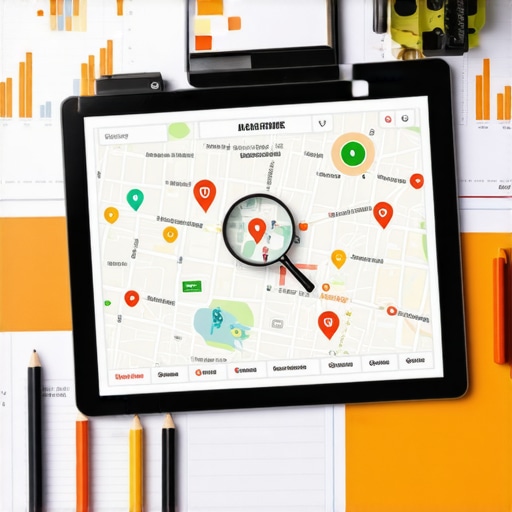
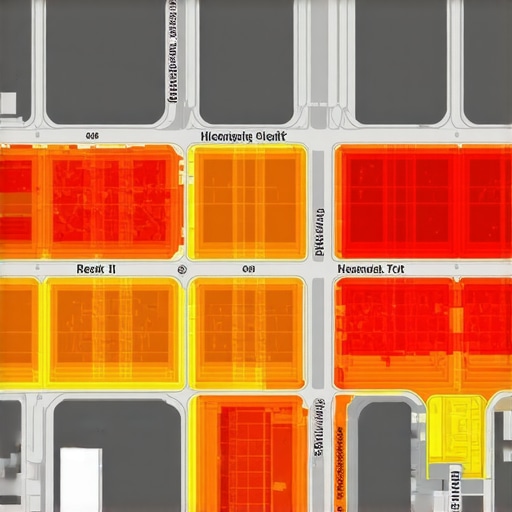
Effective tools for tracking and improving GMB rankings provide grid-based insights into how a business performs across specific city blocks rather than just a single zip code. This level of granularity allows for precise optimizations based on proximity-weighted ranking shifts in the local pack. You cannot rely on a single ranking number. A business might rank first at its front door and tenth two blocks away. That is why the toolkit for tracking local ranking changes by city block is the only way to see the truth. You need the best software for securing a spot in the local 3-pack to visualize the filter circles. The Opossum update changed the game. It started filtering businesses that were too close to each other. If your neighbor is in the same category, one of you is getting hidden. You need to know if you are the one being filtered. This is not about keywords anymore; it is about spatial dominance. It is about JSON-LD attributes like ‘geo’ and ‘hasMap’ that tell the AI exactly where you sit in the world. The grid does not lie. The data is either there or it is not.