How to Handle a Competitor Who is Using Fake Locations
I smell the wet concrete of the city after a heavy downpour. It is the scent of reality; something Google’s algorithm tries to capture through millions of data points. I am a street photographer of the digital kind. I notice the glitch in the storefront data before the owner even sees their rankings drop. Last year, a local cafe owner called me at midnight because a ‘competitor’ had dropped twenty 1-star reviews in an hour using a VPN. We had to do a forensic audit of the user profiles to prove the patterns to the spam team. This was a classic case of spatial sabotage. When competitors use fake locations, they are not just competing; they are polluting the spatial database with noise. This noise creates a false sense of density. It pushes real merchants off the map. It hides the truth behind a screen of rented mailboxes and virtual suites. We fought that case for weeks. We looked at the grains of the photos. We checked the GPS metadata. Eventually, the spam was purged. But the war for the map pack never ends. You need a strategy to survive.
The shadow economy of ghost addresses
To handle a competitor using fake locations, you must gather photographic evidence of the non-existent storefront and file a formal Redressal Complaint with Google. This process requires documented proof that the business does not operate at the listed GPS coordinates or lacks permanent signage and staff. While standard advice suggests simple flagging, the real advantage comes from identifying the secondary category triggers that reveal a lead generation farm hidden within a residential neighborhood. This is where a gmb audit and ranking toolkit becomes your primary weapon. You have to look at the data grain. If the business title is keyword stuffed, it is likely a burner profile. The pin is a lie. Google’s database is built on the concept of ‘ground truth,’ yet ghost addresses are the most common violation of that truth. These entities often use virtual offices or shared coworking spaces without dedicated staff. This violates the core terms of service. You must be the one to point it out. The algorithm is often blind to these glitches until a human investigator submits a forensic report.
The forensic signature of fake pins
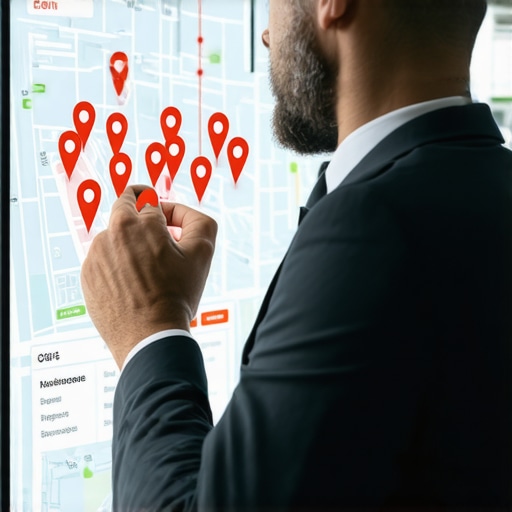
A fake location usually lacks organic interaction signals such as customer-taken photos and real-world check-ins from mobile devices. You can spot these ghosts by looking for high-resolution stock photos that do not match the local architecture or street view images of residential houses. These profiles often appear in clusters during a ‘Map Pack’ loss while organic rankings stay stable. This is a sign of a coordinated spam attack. When you examine the profile, look for the ‘Point of Sale’ data gaps. Real businesses have consistent foot traffic that translates into high-intent proximity signals. Fake pins are static. They are dead spots on the grid. If you suspect foul play, you need seo audit and penalty recovery services to ensure your own profile hasn’t been caught in the crossfire of a filter update. I once tracked a plumbing company that had thirty locations in a city of fifty thousand people. Every single pin was a residential home. They were using a ‘service area’ loophole to dominate the radius. We had to document each one. It felt like walking through a ghost town. The data showed no activity, yet they were taking all the calls. This is why the how to spot fake reviews on your competitors gmb profiles guide is essential; fake locations and fake reviews go hand in hand. They are the two pillars of local fraud.
“Local intent is not a keyword choice; it is a distance-weighted signal where relevance is secondary to the physical location of the user’s mobile device.” – Map Search Fundamental
Why your physical address is a liability
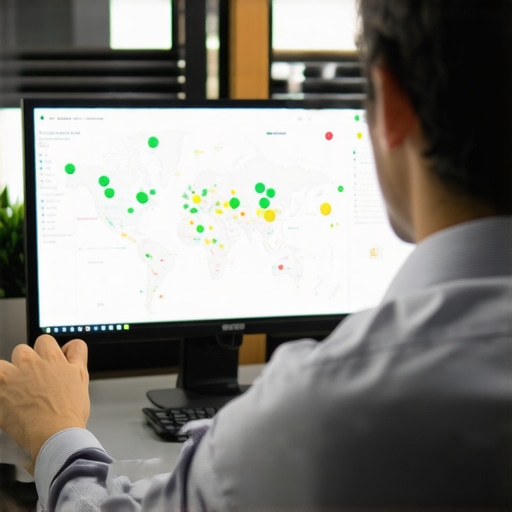
A physical address becomes a liability when competitors dilute the map with multiple fraudulent pins that shrink your proximity ranking radius. The ‘Vicinity’ algorithm update shifted the weight from relevance to distance; meaning a fake pin closer to the user will often outrank a legitimate business five miles away. This is why you see a sudden drop in calls even if your organic SEO is perfect. You are being pushed out by a mathematical shift in the centroid. If you find your ranking dropping, you need the best toolkit to improve local search rankings to analyze the local grid. Look at the heatmaps. If you see a wall of new competitors appearing in a circle around your shop, those are likely fake. They are ‘Proximity Beacons’ designed to capture leads. You must fight back by improving your own ‘Local Justification’ triggers. Google needs to see that you are the most active, most reviewed, and most photographed entity in that specific square mile. Don’t let the ghosts win. Check your profile for the hidden danger of keyword stuffing your business name as well; if you over-optimize to compete with spammers, you might get flagged yourself. It is a delicate balance. You must remain clean while the competition plays dirty. Use a step by step gmb ranking toolkit for beginners to ensure your foundation is solid before you start reporting others. One mistake on your own profile could lead to a retaliatory suspension. I have seen it happen. A business owner reports a spammer, the spammer reports back, and the innocent party gets nuked because their suite number was missing from the website footer.
Local Authority Reading List
- Natural strategies for removing map pack spam
- Understanding why profiles get flagged by the algorithm
- The science of neighborhood ranking shifts
- Forensic citation auditing for local businesses
- The path to reinstatement after a profile suspension
The math of the three mile radius
Proximity math dictates that your visibility is determined by the density of competing pins within a three mile radius of the searcher. When a competitor drops a fake pin in that radius, they are stealing a percentage of the available impressions. This is not just a marketing problem; it is a logistics problem. You are paying for a physical location while they are paying for a $50 mailbox. To counter this, you must increase your ‘Spatial Salience.’ This means generating real interactions at your actual address. Encourage customers to take photos. Make sure your metadata is tagged correctly. If you are struggling, use seo services to debug ranking drops with clean backlinks and content. The goal is to make your pin so ‘heavy’ with data that Google cannot ignore its authority. Fake pins are light. They have no history. They have no real-world footprints. By focusing on deep, local engagement, you create a trust score that a spammer cannot replicate. You can also use how to use analytics to spot gmb ranking manipulation to build a case for the Google support team. Show them the sudden influx of reviews on a profile with no street-level presence. Show them the mismatched phone numbers. Google’s AI is getting better at spotting these patterns, but it still needs a nudge from a human who knows what to look for. I often use a gmb ranking toolkit buy to get the specific metrics needed for a successful redressal form. Numbers don’t lie, even when the pins do.
Tactical steps for reporting location fraud
Reporting location fraud requires a structured approach starting with the Business Redressal Complaint Form and ending with a direct appeal to the Google Maps community. Don’t just click ‘suggest an edit.’ That rarely works for sophisticated spam. You need to gather a spreadsheet of the offenders. Include the URL of their profile, the proof of their fake address, and evidence of their keyword stuffing. If they are using the red flags in a google maps ranking service contract, they might have a network of dozens of locations. Report the entire network at once. This triggers a manual review of the whole account. If you need help, seo services to fix keyword stuffing and content issues can help you clean up your own profile first. You want to be beyond reproach when the investigator looks at your market. I have seen agencies get their clients banned because they were reporting competitors while using the same black hat tactics themselves. It is a house of cards. Don’t be the one who knocks it down on yourself. Instead, focus on building legitimate authority through reputation management and review repair services. Real reviews from real people at your real shop are the best defense against ghosts. A fake location cannot sustain a high-velocity review profile without eventually getting caught by the fraud detection filters. The ‘Vicinity’ update was specifically designed to kill these lead-gen farms. It hasn’t finished the job yet, but it is making progress. You are the boots on the ground. You see the truth every day.
“A business profile that fails to demonstrate real-world utility through persistent user interaction data faces a probabilistic de-ranking in high-competition density zones.” – Proximity Intelligence Report
Protecting your map pin from retaliatory strikes
Retaliatory strikes occur when a spammer notices their pins are being deleted and attempts to flag your legitimate profile in response. To prevent this, ensure your NAP consistency is perfect across the web. Use seo services to fix broken redirects and 404 errors on your website to ensure Google’s crawlers don’t get confused. Every citation must match your GMB profile exactly. If there is even a slight discrepancy, a spammer can use it as leverage to claim your business is fraudulent. This is the dark side of local SEO. It is a street fight. I’ve spent years watching good businesses get taken down by jealous competitors with nothing to lose. You must have a why buying five star reviews is a speedrun to permanent ban mindset; never take the shortcut. The long road is the only one that doesn’t end in a suspension. If you do get hit, use the the truth about bulk citation building and map visibility to rebuild your trust. Google’s trust is hard to earn and easy to lose. When the concrete dries and the rain stops, the map should reflect the real world. That is my mission as a digital street photographer. I want to see the real shops, the real faces, and the real locations. The ghosts belong in the shadows. We are here to bring the light of ground truth back to the map pack. Keep your photos sharp and your data cleaner than the competition. Truth always wins the long game in local search rankings. It just takes a little forensic work to get there.
[image_placeholder]