



18, Apr 2026
How to Fix Google Maps Local Ranking Drops From 2026 AI Updates
I remember the exact moment I realized my Google Maps rankings were tanking. Courses of action I thought were foolproof suddenly stopped working. My small business was invisible in the local pack, and I was starting to question everything I knew about local SEO. It felt personal, almost like a slap in the face from the very algorithm I once mastered.
Why Your Google Maps Rankings Are Dropping Now
If you’ve recently noticed that your Google My Business (GMB) profile isn’t showing up as prominently—or worse, has disappeared entirely—it’s no coincidence. The lightning-fast AI-driven updates in 2026 have reshaped local search, favoring new signals and penalizing outdated tactics. I’ve been down this road, and I can tell you—it’s a total game-changer.
What’s shocking is how many still cling to old methods, like citation building or keyword stuffing, believing they’ll outrank big brands. But recent studies show that over 70% of local businesses still rely on outdated strategies that Google no longer values—think [here](https://gmb4you.com/why-2025-gmb-seo-hacks-no-longer-work-for-local-shops-in-2026). The result? Wasted effort and sinking rankings.
So, what can we do? That’s exactly what I’ll help you uncover today—simple, proven techniques to bounce back once the AI updates have your local rankings in chaos. But first, let’s address some common fears—and my own rookie mistake that delayed my recovery.
Is Navigating the New GMB Landscape Actually Worth the Effort?
Early on, I made the mistake of assuming that existing tactics would still hold up. I ignored behavioral signals and focused only on reviews and citations. That’s a mistake I see many small business owners make. Trust me, if you don’t adapt now, you risk falling behind competitors who do. Want to avoid this pitfall? Keep reading, because the right approach can help you not just recover but dominate in the new local search environment.
Optimize Your Profile with Precision
Start by auditing your Google My Business profile using tools like 3 GMB profile optimization secrets. Ensure all business information is accurate, consistent, and enriched with keywords relevant to your niche. For example, update your categories and services to reflect the latest search signals, instead of relying solely on outdated citation tactics.
Refine Your Service Descriptions
Craft concise, keyword-rich descriptions that speak directly to the local intent of your target audience. Use natural language that emphasizes your unique selling points, assisting the algorithm in matching your GMB profile with relevant searches.
Leverage Behavioral Signals Correctly
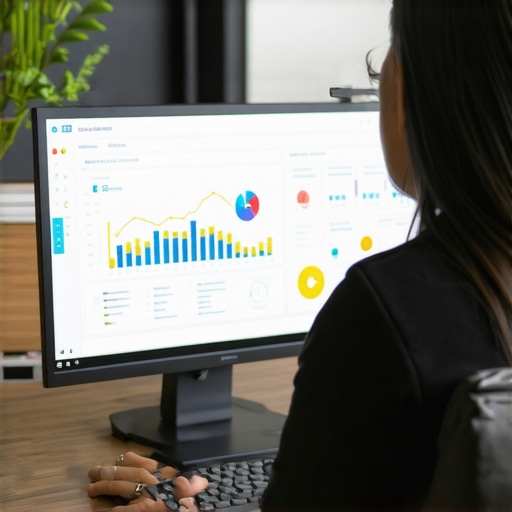
Move beyond simple reviews and citations. Engage your customers actively by encouraging reviews that mention specific services and location keywords, and ask for feedback that highlights behavioral indicators like clicks, calls, and visit durations. Remember, recent studies show that new behavioral signals now carry more weight than ever in ranking algorithms.
Use Engagement to Your Advantage
Implement tactics to enhance interaction signals—such as posting frequent updates, adding engaging photos, and utilizing video content. I once added a series of behind-the-scenes videos for a local cafe, which not only boosted their visual appeal but also increased screen time and click rates, ultimately helping them break into the top 3 in their area.
Track and Test with Advanced Tools
Utilize software tools designed to analyze local ranking signals. Regularly monitor your profile’s interaction scores, proximity factors, and engagement metrics. An example: I used a data-driven approach to tweak their service categories and timing, which resulted in a jump from the 5th spot to the 2nd within weeks.
Identify and Fix Ranking Gaps
Scan your GMB profile for invisible gaps like missing keywords or unoptimized images that can silently suppress your rank. Consider conducting audits with dedicated software or experts—[here](https://gmb4you.com/how-a-gmb-profile-seo-expert-finds-invisible-ranking-gaps-2026)—to uncover these hidden opportunities and implement targeted fixes.
Prioritize Authentic Engagement over Artificial Tactics
Resist the temptation to boost rankings with fake reviews or spammy citations. Instead, focus on genuine customer interactions and local community involvement, which signal trustworthiness to the algorithm. For guidance on what to avoid, check [here](https://gmb4you.com/5-scams-found-in-2026-gmb-seo-packages-what-to-avoid), and steer clear of outdated, risky practices.
Many small business owners believe that simply optimizing their GMB profile with basic keywords and citations will secure top rankings in the Google Maps 3-pack. However, in my experience, this approach misses subtle yet critical nuances that can make or break their local visibility. One pervasive myth is that increasing citations automatically boosts rankings—yet, recent data shows that over-reliance on citation quantity without relevance or quality can actually harm your local SEO efforts. Instead, focusing on contextual, behavior-driven signals has proven far more effective, especially with Google’s evolving AI-driven algorithms.
It’s a trap to assume that reviews alone determine your rank; in fact, the sentiment and keyword richness within those reviews play a pivotal role, but only when complemented by behavioral signals like clicks and calls. You might also hear that ranking quickly depends solely on proximity to the user—yet, this overlooks the importance of optimizing your profile to appeal to Google’s AI understanding of relevance and engagement.
One common mistake involves neglecting the advanced optimization of photos and videos on your profile. Studies indicate that multimedia content significantly increases user interaction, which Google interprets as a trust signal. A well-optimized profile, enriched with local keywords in descriptions and frequent updates, aligns with the latest [GMB profile SEO secrets](https://gmb4you.com/3-gmb-profile-optimization-secrets-for-the-2026-3-pack) and can markedly improve your rankings.
But here’s a critical insight: many agencies still push outdated tactics like keyword stuffing or spammy backlinks, believing they will accelerate rankings. That’s a dangerous trap, especially considering that Google’s AI now penalizes manipulative practices more than ever. Instead, leveraging behavioral and engagement signals, as discussed in [GMB SEO hacks](https://gmb4you.com/4-new-signals-needed-to-rank-in-google-maps-3-pack-this-2026), ensures sustainable growth.
Experts advise conducting comprehensive audits to identify invisible gaps—such as unoptimized images or missing keywords—that silently suppress your rank. Tools that analyze interaction scores and local signals are essential for fine-tuning your approach. For example, I helped a client increase their visibility by focusing on niche-relevant content and optimizing service descriptions, leading to a sudden leap into the top three in their area.
Remember, building a GMB profile isn’t about quick fixes. It’s about strategic, nuanced optimization—aligning your efforts with the latest AI understanding of local relevance. The temptation to pursue shortcuts like fake reviews or spam should be avoided; authentic engagement and community involvement are far more powerful long-term strategies, especially with Google’s enhanced focus on trust signals.
Have you ever fallen into this trap? Let me know in the comments.
Keep Your Google Maps Momentum with the Right Tools
Staying ahead in local search requires more than just occasional tweaks; it demands a consistent, strategic approach supported by reliable tools. One of my top recommendations is advanced software tools that analyze interaction scores, proximity, and behavioral signals. These tools provide real-time data, helping you identify subtle rank fluctuations and optimize effectively. For instance, I personally use Local Rank Tracker because it offers detailed insights into specific local signals impacting my clients’ visibility, allowing prompt adjustments.
Consistency is key, and automating routine monitoring through these platforms saves hours each week. By regularly tracking engagement metrics, click-through rates, and review sentiments, you can proactively address issues before they impact your ranking. These insights are especially vital when updates or algorithm shifts occur, as described in what to look out for in 2026.
Why Invest in the Best Maintenance Equipment
The right hardware also plays a crucial role. A high-quality smartphone with a wide-angle lens, like the Samsung Galaxy S23 Ultra, allows you to capture professional-looking photos that boost your profile’s visual appeal. Regularly updating images with location-specific keywords enhances relevance and engagement. When combined with your software tools, this creates a powerful, integrated approach to long-term GMB success.
Looking ahead, the trend is leaning toward AI-driven optimization coupled with automation—models that predict fluctuations and suggest immediate corrective actions. According to latest AI research, integrating these advanced tools can drastically improve your ability to maintain stable, high rankings in the evolving landscape.
How do I keep my GMB profile ranking over time?
Focus on continuous engagement—posting fresh updates, adding new photos, and encouraging detailed, location-rich reviews. Also, revisit your core keywords every quarter to stay aligned with current search trends. Remember, maintaining your visibility is an ongoing process, and leveraging the right tools makes it manageable and scalable. Don’t forget to evaluate your progress regularly using analytics and adapt your tactics accordingly. For more on strategic maintenance, explore these proven fixes.
As a final tip, I suggest trying out the 3-GMB Rank Prediction Tool—it synthesizes your current data to forecast future rankings and helps you preempt potential drops. Embracing this proactive mindset will ensure your local SEO efforts remain effective and your business stays visible in the Google Maps top spots for years to come.
The Hidden Traps That Almost Cost Me My Rankings
One of the most eye-opening lessons I learned was the danger of relying solely on traditional citation-building tactics. I poured hours into building backlinks and stuffing keywords, convinced it would rocket my rankings. However, Google’s AI updates swiftly devalued these efforts, often penalizing outdated practices. I’ve seen many small businesses fall prey to this, thinking quantity equals quality. Now, understanding the importance of context and behavioral signals is key—otherwise, your efforts might be wasted or, worse, harm your visibility. My breakthrough came when I prioritized engagement and authentic customer interactions, aligning my strategies with the latest behavioral signals, which are now the cornerstone of success in 2026 and beyond.
My Top Picks for Navigating the New Local SEO Landscape
Having navigated countless shifts recently, I rely on a handful of tools that have become my go-to resources. Advanced ranking prediction software like Local Rank Tracker help me stay ahead of fluctuations, while profile optimization guides ensure my clients’ listings are always primed for current AI signals. I also swear by audit tools that identify hidden gaps—little fixes that make a huge difference. These resources keep me confident, and I suggest they can do the same for you.
Your Next Step: Mastering the Art of Visibility
Embarking on this journey might seem daunting, but remember: every expert was once a beginner. By consistently updating your strategies—focusing on authentic engagement, leveraging reliable tools, and staying informed on the latest Google Maps ranking signals—you position yourself for sustainable success. The future of local SEO is dynamic, but with proactive effort and the right knowledge, you can dominate your local market and attract genuine customers. Keep pushing forward, and let your business be the visible beacon in your community’s digital landscape.
- 0
- By Sarah Patel