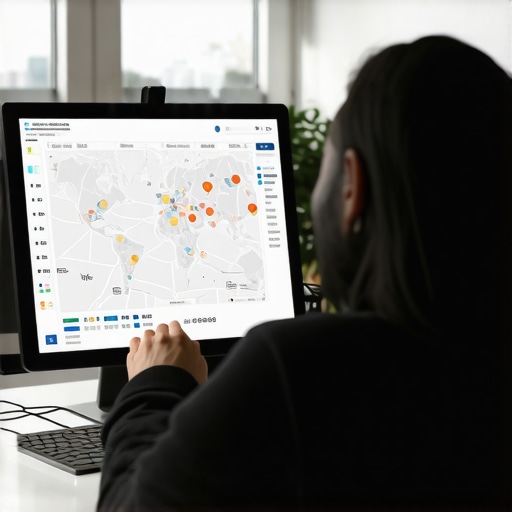
Why your map ranking drops every time you leave the shop
I recall the frustration vividly—after spending hours optimizing my Google My Business profile and building citations, I’d see my shop thrive on maps. But as soon as I stepped out for a quick errand or a coffee break, my ranking would plummet. That sinking feeling? You’re not imagining it. It’s as if the map knows when you’re away and drops you off the coveted 3-pack.
Getting Stuck in the Same Spot While Customers Drive Past
There was a lightbulb moment when I realized this wasn’t just bad luck or coincidence. The very act of leaving the shop seemed to trigger some unseen signal—an invisible switch that sent my rank spiraling downward. This ongoing battle made me wonder: Why does my location drop out of the top spots when I leave the premises? If this sounds familiar, you’re not alone. Many local business owners face this puzzle daily, and it can feel downright demoralizing.
The truth is, Google Maps and the algorithm behind the Google 3 Pack are increasingly sophisticated. They don’t just look at citations or reviews anymore—they’re analyzing *behavioral signals* that reflect real user engagement and proximity. Early on, I made the mistake of relying solely on cheap tools that ignored these signals, which only worsened my rankings. I learned that understanding these behavioral aspects—and how to influence them—is crucial to maintaining visibility, even when you’re not physically present.
Are You Falling for the Durability Myth?
Many businesses believe that once they appear in the map pack, their ranking’s built to last. But recent updates, like those documented in this guide, show that rankings are more dynamic than ever. The adage of ‘set it and forget it’ doesn’t apply in local SEO anymore. Your map ranking depends on ongoing, behaviorally driven signals—meaning that absence, engagement patterns, and the quality of your local interactions all matter.
So, if you’re tired of your rank fluctuating when you step away, I want to help you uncover the strategies that actually work in 2026. But first, let’s consider one critical mistake most owners make early on—relying on outdated, static SEO tactics that ignore the behavioral signals shaping your rank today.
Curious if your current approach is setting you up for continued drops? Or perhaps you’ve already faced this problem and want a proven fix? Keep reading, because the next section will dive into practical, actionable steps to reclaim your spot in the Google Maps 3 Pack and keep it, even during your brief departures.
Ramp Up Your Google My Business Profile
Start with a comprehensive profile optimization to lay a strong foundation. Use the minimalist checklist to ensure all critical elements are filled correctly—name, address, phone number, and categories. Never underestimate the power of a well-optimized profile: it signals to Google that your business is legitimate and relevant.
Build and Maintain Citations Strategically
Now, don’t fall into the trap of mass citation submissions. Instead, focus on high-quality, relevant citations, which act as trust signals in Google’s eyes. Use targeted citation strategies that align with your niche and location. Avoid junk backlinks—check out the red flags in software and ensure your citations are authoritative and consistent. Sometimes, cleaning up existing citations is necessary; these fixes can restore your rankings.
Leverage Behavioral Signals with Engagement
Engagement is the secret sauce that truly influences rankings. Think of user interactions—clicks, calls, reviews, website visits—as the signals Google uses to gauge your relevance. Use tools designed to audit your interaction score and identify gaps. Actively solicit reviews and respond promptly; studies show that timely responses and positive interactions are key to staying in the 3-pack, especially when you’re away from your store.
Optimize Your Local Content for Visibility
Local keyword integration isn’t just about stuffing keywords into your profile. Use geo-specific terms naturally in your posts and service descriptions to improve relevance. Regularly update your Google My Business posts with local events, promotions, or news. Utilize strategic local posts to boost relevance and engagement—both critical for maintaining your spot in the pack.
Monitor and Adjust Based on Data
Continual monitoring is like a fitness tracker for your local SEO efforts. Use analytics tools to measure your interaction score and review sentiment regularly. If your rank dips, quick action—such as posting new content or addressing negative reviews—can reverse the decline. Don’t forget to audit your profile periodically, consulting proven checklists to identify and fix gaps—these audit steps are essential in the current algorithm landscape.
Stay Ahead with Expert Guidance
Handling these tactics alone can be overwhelming. Consider partnering with professionals who specialize in GMB SEO—those who understand the latest behavioral signals and updates. A targeted GMB optimization service can combine citation building, review management, and profile updates into a cohesive strategy. Remember, not all agencies are equal—learn to spot those using harmful tactics by reviewing red flags.
 Many business owners believe that simply building citations or collecting reviews guarantees a top spot in the Google Maps 3 Pack, but this is a dangerous oversimplification. In my experience, the real nuance lies in understanding how behavioral signals and proximity dynamically influence rankings. Relying solely on static strategies—like mass citation submissions or generic review requests—misses the deeper, active engagement factors Google considers, especially in 2026 where algorithm complexity has skyrocketed. An often-overlooked myth is that once you’ve optimized your Google My Business profile, rankings stay stable. However, ongoing management of user interactions, sentiment analysis, and local content is crucial to maintaining visibility. It’s a trap to ignore the role of sophisticated GMB SEO practices and talented profile optimization—many amateurs rely on DIY software that claims quick wins but neglects behavioral signals like review sentiment trends or engagement rates. These signals are now embedded into Google’s ranking algorithms and can make or break your position in the local pack. Are you still relying on outdated tactics?
What advanced strategies can truly move the needle in Google Maps rankings?
Recent studies from industry experts show that integrating behavioral data—such as review sentiment, interaction quality, and local engagement—can outperform static link-building efforts. This means working with a GMB SEO expert who understands these nuances rather than applying cookie-cutter software. For instance, targeted review responses that positively influence sentiment or local content that resonates with community interests can boost your relevance in ways traditional citation building can’t. To unlock these advantages, learn more about how hiring a profile SEO expert and focusing on active behavioral signals, rather than just backlinks, will give you an edge in 2026. Avoid the trap of thinking that rankings are static or solely dependent on proximity. Instead, embrace the dynamic, behavioral-driven landscape and adapt your strategies accordingly. Your business’s visibility depends on your ability to read and influence these subtle signals—so get ahead now. Have you ever fallen into this trap? Let me know in the comments.
Maintaining your top rankings in the Google Maps 3 Pack requires more than just initial optimization; it demands ongoing, strategic management using the right tools. From citation audits to engagement tracking, choosing the appropriate software can make all the difference. One tool I personally rely on is Whitespark, which excels at local citation management. I use it to identify and fix inconsistent mentions across directories, ensuring my data remains accurate—something crucial given how Google emphasizes data consistency for rankings.
Another indispensable tool is GMB interaction score audit tools. These help me monitor user engagement signals like calls, clicks, and review sentiment—all key behavioral metrics impacting rankings in 2026. By regularly analyzing these, I can pinpoint drops and implement targeted fixes, such as prompt review responses or new post strategies.
For review management, I incorporate Reputology. It offers real-time monitoring and allows me to respond swiftly to both positive and negative feedback, boosting sentiment signals that Google reads favorably. Stay vigilant—responding promptly to reviews is a simple yet powerful tactic and aligns with what expert Lee Odden emphasizes in Moz’s review management guide.
Predicting how these tools will evolve, I anticipate more AI-enhanced solutions that provide predictive analytics—alerting you of potential ranking drops before they happen. Staying ahead will mean integrating automation with human oversight, ensuring behavioral signals are always optimized.
How do I keep my GMB efforts effective over the long term?
Consistent maintenance hinges on systematic audits and leveraging advanced software that goes beyond surface metrics. Regularly revisit your profile audit checklist to detect issues early and adapt your strategies. Also, avoid tools notorious for missing nuanced signals—see why some software fails in capturing sentiment signals. The future of local SEO is deeply behavioral, so stay proactive by implementing solutions that analyze review sentiment, engagement, and content relevance in real-time.
A tip I recommend trying: set up automated alerts for sudden drops in user engagement metrics and combine this with periodic manual reviews. This hybrid approach ensures you catch subtle shifts before they impact your ranking. Remember, the key is consistency and choosing software that partner with you rather than deceive you—be wary of those offering static citation counts without behavioral insights.
Incorporate these advanced tools into your routine, and you’ll set a strong foundation for long-term success in local search. As Google continues to refine its algorithm to prioritize behavioral signals, your proactive management with the right software is your best insurance against losing those prime rankings.
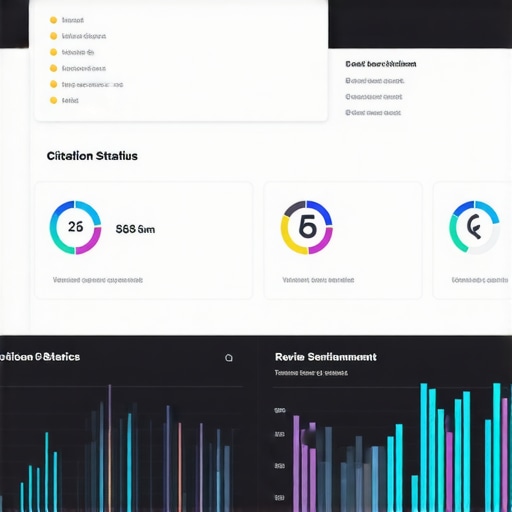
Imagine a dashboard displaying real-time engagement metrics, citation status, and review sentiment analysis—all integrated seamlessly to keep your Google Maps ranking solid.
What I Wish I Knew Before Relying Solely on Citations
One of the hardest lessons I learned was that static citation building could only take me so far. Early on, I believed that accumulating mentions across directories would guarantee my spot in the Google Maps 3 Pack. But I soon discovered that without focusing on behavioral signals like review sentiment and user engagement, my rankings would fluctuate wildly, especially when I was away. This realization pushed me to integrate dynamic, behavior-driven strategies, which proved essential in maintaining consistent visibility.
Why Authentic Engagement Outperforms Automated Bots
Many business owners fall into the trap of using automated review generators or engagement bots, thinking they can shortcut the process. I found that genuine, local interactions—responding to reviews, posting meaningful updates, and encouraging real customer actions—have a compounding effect on your visibility. Authentic engagement signals to Google that your business is active and trustworthy, making a noticeable impact on your rank stability in 2026.
The Power of Continuous Optimization
Many assume that once their profile is optimized, the work is done. However, the landscape constantly evolves, especially with Google’s ever-increasing algorithm sophistication. I learned that regular profile audits, monitoring engagement metrics, and updating content with local relevance kept my business ahead. Skipping ongoing optimization can lead to sudden drops—so stay vigilant and proactive in refining your GMB profile and strategies.
Curated Resources for Authentic Growth
To deepen my understanding of behavioral signals, I rely heavily on tools like interaction score audit tools. They help me identify gaps in engagement, allowing me to act swiftly. For citation management, avoiding software that overlooks sentiment signals is crucial—trustworthy data is key to maintaining top ranks. Pairing these with insights from profile optimization checklists ensures you’re taking a comprehensive approach. Additionally, consulting expert-guided resources like advice from profile SEO professionals accelerates progress and reduces pitfalls.
Seize the Moment: Your Next Step Awaits
Remember, mastering Google Maps rankings isn’t about quick hacks; it’s about consistent, strategic action rooted in behavioral insights. Embracing this mindset will set your business apart, helping you sustain top positions in an increasingly complex environment. You’re capable of transforming your local SEO approach—so why not start today? Share your progress or challenges below, and let’s grow together in the world of local search mastery.