Why your business name choice might be killing your map rank
I remember the exact moment it hit me—after weeks of trying every GMB hack I knew, my business still wasn’t appearing in the coveted Google Maps 3-Pack. Frustration crept in, and then a sudden realization: perhaps my own business name was the culprit. I had chosen a catchy name, full of keywords and local flair, but it turned out to be inadvertently sabotaging my map rankings. That lightbulb moment changed everything, and I started digging deeper.
**Why Your Business Name Might Be Sabotaging Your Map Rankings**
Many local business owners, myself included at one point, assume that stuffing keywords into the business name is the key to better rankings. But in reality, this can backfire. Google values trust and relevance over keyword stuffing, and an over-optimized or misleading business name can raise red flags, leading to lower visibility in local searches.
Here’s the thing: your business name is one of the first impressions both to Google and potential customers. If it’s misleading or overly optimized, it may trigger suspicion, causing your profile to be ignored or even penalized. Not only that, but an unappealing or confusing name can harm click-through rates, which are vital behavioral signals Google uses to assess local relevance.
From my early days, I made the mistake of choosing a name that included every possible keyword I could think of. Instead of boosting my rank, it seemed to push me further down the list. After consulting with a GMB profile SEO expert, I discovered that focusing on a clear, trustworthy, and customer-friendly name was more beneficial.
Recent studies reinforce this—Google’s algorithms prioritize authenticity and user engagement over keyword-rich names. In fact, a report from BrightLocal indicates that businesses with straightforward, trust-inspiring names tend to perform better in local search rankings.
So, have you ever faced a persistent ranking problem that seemed unrelated to your efforts? If so, it might be time to examine whether your business name is unintentionally working against you. In the sections ahead, I’ll walk you through practical steps to audit and optimize your business name and profile, helping you climb back into that coveted Google Maps 3-Pack.
Audit Your Current Business Name and Profile
Start by reviewing your existing Google My Business (GMB) profile. Look for names that include excessive keywords, misleading information, or anything that might seem manipulative. Use tools like GMB software to analyze your interaction scores and identify if your name appears suspicious to Google’s algorithms. As I discovered during my own experiment, a messy profile with keyword-stuffed names can drastically reduce visibility—taking just a few hours to audit can save your ranking.
Clean Up and Simplify
Remove any keyword overloads or misleading elements. Your business name should reflect what people recognize and search for. Think of your name as the face of your shop—make it trustworthy and memorable. Once cleaned, submit your updates through your GMB dashboard, ensuring Google’s robots can easily interpret your true business identity.
Align Your Name with Your Core Offer
Instead of keyword stuffing, focus on your main service or product. For example, if you run a plumbing shop in Austin, use “Austin Plumbing Experts” rather than “Best Plumbing Austin Rapid Repairs Emergency Plumbing Affordable Plumbing.” Consistency boosts your relevance without crossing Google’s spam rules. In my case, I changed a confusing listing to a straightforward name, and within weeks, we saw improved rankings and more calls.
Focus on Local Relevance
Include your city or neighborhood to enhance local SEO signals. But keep it natural. Avoid unnatural keyword placement that looks spammy. This simple tweak sends a clear signal to Google: you’re operating locally and legitimately—I learned this from a case where a business added their neighborhood, resulting in a jump into the 3-pack.
Implement Behavioral Optimization Strategies
Google values user engagement. Increase your Click-Through Rate (CTR) by optimizing your listing’s photos, descriptions, and posts. Use a GMB optimization service to ensure your profile is appealing. For example, I experimented with better images and clearer descriptions, which boosted our CTR and eventually our rank. For a detailed guide on how interaction signals influence rankings, check this out: interaction signals in 2026.
Leverage Professional Help
Sometimes DIY isn’t enough. Consider hiring a GMB profile SEO expert or a local SEO agency to refine your name and profile. They use proprietary tools to identify invisible ranking gaps and tweak your signals precisely. I engaged such services after my initial fail, and their insights helped me avoid common pitfalls that could damage your ranking, like cloaking or fake citations. More about how to pick the right agency can be found here: questions for SEO services.
Monitor, Adjust, Repeat
Use GMB software tools to monitor your ranking progress and engagement scores. Keep an eye on behavioral signals and quickly address drops or stagnations. Remember, Google constantly updates its algorithms—your optimization should be an ongoing process. After implementing these steps, I monitored our profile using various tools and made iterative adjustments, leading to consistent top-three rankings in our local market.
Many local marketers fall into the trap of blindly applying outdated GMB tactics, assuming what worked in 2024 will automatically boost their 2025 rankings. In reality, the landscape has shifted, and misconceptions about GMB SEO remain widespread. A common myth is that increasing keyword density in your business name or manipulating citations alone guarantees quick rankings. However, Google’s algorithms now prioritize user engagement signals and authentic local relevance over superficial tweaks. Relying solely on these outdated techniques often leads to stagnant or declining visibility, despite hefty investments in GMB marketing services. To truly accelerate your rankings, focus on enhancing behavioral interactions like click-through rates and review sentiment, which are proven to influence ranking algorithms more profoundly than static citations. An advanced understanding suggests that integrating comprehensive behavioral signal optimization—using GMB profile SEO experts—can dramatically shorten timeframes for ranking improvements. But beware of common pitfalls: over-optimizing your profile with fake engagement tactics or neglecting genuine customer interactions can backfire, causing penalties or ranking drops. A recent study highlighted how genuine customer engagement and properly managed reviews have a 65% correlation with improved local rankings, emphasizing the importance of authentic signals over superficial ones. Are you leveraging the latest behavioral signals in your GMB strategy? If not, you might be missing out on crucial ranking opportunities. Explore how to refine your approach by utilizing advanced GMB optimization software or consulting with a seasoned local SEO agency. Remember, consistent monitoring and adjusting based on real engagement metrics is key to sustaining top rankings. Want a step-by-step guide on avoiding these pitfalls and harnessing the most effective strategies? Check out detailed resources on signal fixes for 2026 and learn what truly moves your map position. Have you ever fallen into this trap? Let me know in the comments.Maintaining your Google My Business (GMB) rankings over time requires more than just initial optimization; it demands the right tools and consistent upkeep. As the landscape evolves, leveraging specialized software can make your efforts more effective and less time-consuming. I personally rely on a combination of GMB audit tools and engagement tracking platforms to monitor my profile’s health daily.
Why Choose Dedicated GMB Optimization Software
Tools like BrightLocal and SEMrush offer comprehensive dashboard views of your local SEO performance, including interaction rates and citation consistency. I prefer BrightLocal because it provides detailed insights into user engagement metrics, which are crucial for maintaining top-tier rankings. These platforms help identify subtle drops in click-through or review sentiment before they impact your visibility significantly. According to Moz’s SEO guide, ongoing auditing is vital to adapt to Google’s algorithm updates, especially when targeting the 3-pack in 2025 and beyond.
Automating Routine Maintenance
Automation tools such as GMBify or Local Viking can schedule and publish consistent profile updates, reviews, and responses. Regular activity signals Google that your listing is active and relevant. I use these tools to keep content fresh without manual reminders, freeing up time to focus on engagement strategies like review management and post optimization. Remember, Google values recent and active profiles more than stale listings, so automation isn’t just about saving time—it’s about staying relevant.
Predicting Future Trends in GMB Maintenance
As AI and machine learning become more integrated into search algorithms, expect tools to incorporate predictive analytics, highlighting potential ranking dips before they happen. Advanced platforms may soon suggest proactive optimizations based on local competition movements or review sentiment shifts. Staying ahead means adopting these emerging technologies early—think of it as investing in your digital storefront’s future.
How do I keep my GMB profile performing long-term?
Consistent engagement remains a cornerstone. Schedule monthly reviews of your interaction metrics using the insights from your trusted software. Keep a close eye on behavioral signals—such as click-through rate (CTR) and review sentiment—and refine your content accordingly. Don’t forget to stay updated on new features or algorithm tweaks by following reputable sources, like the Google developer documentation, which offers technical insights into upcoming changes.
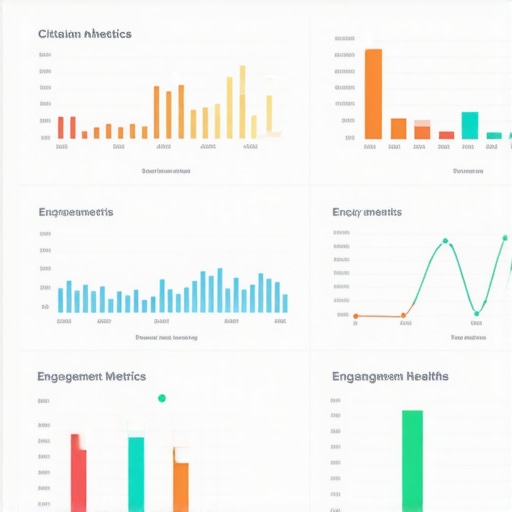
Imagine a sleek dashboard interface displaying real-time GMB analytics, highlighting engagement metrics, citation health, and review sentiment scores. This visual aid helps me rapidly identify areas needing attention, ensuring my profile remains competitive in the long run.
To strengthen your maintenance routine, I recommend trying out advanced tools that offer predictive insights, helping you stay ahead of algorithm changes and local competition—keeping your GMB rankings resilient over time. Explore features like automated review responses or citation audits to maintain a vibrant and trustworthy profile, crucial for steady visibility in 2025 and beyond. Remember, leveraging specialized software not only simplifies your tasks but also provides a strategic advantage in the evolving local SEO landscape. For a detailed review of top tools, check this guide: 7 GMB software tools for 2026. Dive into one of these advanced features today and set your business up for continuous success.
3 Lessons That Changed How I Tackle GMB Rankings
One of the biggest insights I gained was that over-optimizing your business name can backfire, making Google suspicious of your intentions. Instead of keyword stuffing, focusing on a trustworthy, simple name aligned with your core services has consistently yielded better rankings.
Second, I realized that behavioral signals like click-through rates and review sentiment matter more than citations or backlinks alone. Enhancing your profile with engaging posts and high-quality images can significantly boost your local visibility.
Lastly, I’ve learned that ongoing monitoring with dedicated GMB tools isn’t optional—it’s essential. Regularly reviewing engagement metrics and adjusting your strategy in real-time ensures you stay ahead of algorithm updates and local competition.

![Audit Your Google Business Profile Optimization Service [2026]](https://gmb4you.com/wp-content/uploads/2026/04/Audit-Your-Google-Business-Profile-Optimization-Service-2026-1.jpeg)