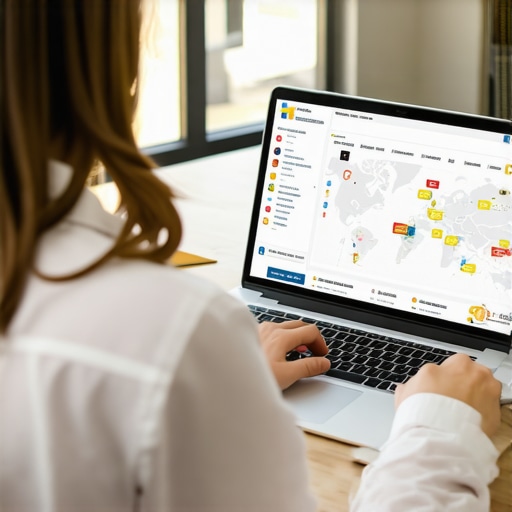
Why Buying GMB Citations is No Longer Enough to Rank Your Business
I vividly remember spending hundreds on GMB citations early in my local SEO journey, convinced they were the magic bullet for ranking higher. But then, I hit a frustrating wall—my business listings refused to move up in the Google Maps pack, no matter how many citations I bought. That moment of realization hit me hard. It was a lightbulb: relying solely on citations was like trying to win a race with a broken engine.
The Real Battle in 2026: Beyond Citations
If you’re still putting all your eggs in the citation-building basket, you’re probably feeling the ache of slow or stagnant rankings. The truth is, search algorithms have evolved faster than many businesses can keep up, making citations just one piece of a much larger puzzle. In fact, according to Moz’s Local Search Ranking Factors, signal quality now outweighs quantity, and engagement-based signals are dominating local SEO outcomes. This means that even if you have hundreds of citations, they won’t matter much if your overall profile isn’t optimized around real user interactions and content. So, what does it really take to compete in 2026? How do you move beyond just buying citations and start dominating your local market? That’s exactly what I want to help you uncover. If you’ve faced this frustration, you’re not alone. Let’s dive into why traditional citation strategies no longer cut it and what actionable steps you can take today to start seeing real results.
Optimize Your GMB Profile for Engagement
Start by ensuring your Google Business Profile (GMB) is 100% complete. Fill out all sections—business name, address, phone number, website, hours—and keep information consistent across platforms. Use high-quality, locally relevant images—these are akin to storefront signage—they make your listing visible and trustworthy. Regularly update photos and posts to stimulate user interactions, signaling activity to Google’s algorithms.
Implement Interaction-Boosting Strategies
Encourage reviews and respond promptly. Think of reviews as social proof—more positive feedback boosts credibility and rankings. Focus on eliciting honest, detailed reviews by providing exceptional service and asking satisfied customers to share their experiences. Use software tools to monitor review sentiment and identify areas for improvement—these insights significantly impact your local SEO. Consistent engagement signals to Google’s system that your listing is active and relevant.
Leverage Signal-Focused Content
Create local content that resonates with your community—blog posts, community event announcements, or local guides. Embed keywords naturally and add event or offer posts regularly. Every piece of content acts as a footprint—helping your profile to appear in diverse local searches. This strategy enhances relevance and draws more user interactions, which are critical in the evolving 2026 ranking factors.
Utilize Proven GMB Optimization Tools
Employ specialized software to audit your interaction scores and identify gaps. For example, GMB software can help uncover hidden engagement signals—think of these as clues to your visibility potential. Regular audits ensure your optimization aligns with the latest algorithm preferences. Implement quick fixes—like updating NAP data, adding new categories, or fixing duplicate listings—these micro-adjustments can immediately impact your rank. Check out these tools for guidance.
Build Local Relationships for Long-Term Gains
Partner with local organizations or sponsors; mention them in your posts and reviews. These backlinks are less about traditional link-building and more about building trust signals within your community. Think of your local network as the word-of-mouth engine that fuels your reputation and signals relevance to Google. Innovative local outreach significantly outperforms outdated citation-building methods.
Adjust and Test Rapidly
Monitor your performance via analytics and adapt quickly. Don’t wait months—use rapid testing similar to A/B testing to identify what boosts your engagement and rankings faster. If you notice a drop after an algorithm update, revisit your profiles and content strategies. Dive into detailed audits with these audits to diagnose issues.
Many local SEO practitioners operate under misconceptions that can seriously hinder their Google Maps rankings. One prevalent myth is that acquiring大量 citations automatically boosts local visibility; however, recent studies highlight that **signal quality and user engagement** outweigh sheer quantity, especially in 2026’s evolving algorithm landscape. Relying solely on citation volume can trap businesses into a false sense of security, diverting focus from profile optimization and behavioral signals. Another mistake is assuming that quick fixes like buying backlinks or deploying generic GMB marketing services yield sustainable results. Instead, sophisticated strategies involve a nuanced understanding of **signal correlations and behavioral cues**—areas where GMB optimization software and expert audits can truly make a difference. But beware of common traps: over-optimizing profiles without addressing **local relevance and engagement metrics** may result in penalties or ranking plateaus. For example, many businesses overlook the importance of interactive content and review sentiment analysis, which are now critical ranking components. According to local SEO expert Darren Shaw, “2026’s algorithms prioritize **authentic user interactions and behavior-based signals** over traditional SEO tactics”; thus, focusing on behavioral data is essential. Have you ever fallen into this trap? Let me know in the comments.
Discover how to avoid these pitfalls by implementing comprehensive, signal-focused optimization strategies. For instance, using tools like the latest GMB audit software can reveal hidden engagement gaps and micro-adjustments that improve rankings. Similarly, partnering with a knowledgeable local SEO agency that recognizes the shift towards behavioral signals ensures your efforts stay aligned with 2026’s best practices. Remember, the core of modern GMB optimization is about building **trustworthy, user-centric profiles** that command engagement and relevance, not just superficial citation counts.Maintaining your Google My Business (GMB) rankings over time requires more than just setting and forgetting your profiles. It demands strategic use of specialized tools that can continuously monitor, analyze, and optimize your local SEO efforts. One of my personal favorites is the GMB software audit tools. I rely on these for their comprehensive ability to uncover hidden engagement gaps and verify whether my profile’s signals align with the latest algorithm preferences. These tools provide actionable insights, such as micro-adjustments for NAP consistency, category relevance, and review sentiment analysis, which are critical in staying ahead in the evolving landscape of Google Maps ranking. Instead of manual guesswork, I prefer automated audits that save time and ensure my optimization remains current, especially considering how rapidly AI-driven updates like those discussed in Google’s documentation on local ranking factors are shifting the playing field. Future-proofing your local SEO strategy involves integrating these robust tools into your routine to keep your profile active, relevant, and compliant with the latest behavioral signal trends. For instance, regularly conducting profile audits can reveal micro-issues before they impact your rankings, ensuring sustained visibility. Remember, the smarter your maintenance practices, the less you’ll have to worry about sudden rank drops caused by algorithm surprises or malicious spam. Now, I challenge you to implement a weekly audit ritual using these tools—it’s one of the most effective ways to maintain long-term GMB dominance and adapt swiftly to upcoming algorithm shifts. Are you ready to take your local SEO game to the next level?”}That’s where the real edge lies in 2026—continuous, data-driven management. As noted by industry expert Darren Shaw, “Regular maintenance using specialized software not only preserves your rankings but also uncovers growth opportunities your competitors might miss”. Try integrating these advanced tools today to ensure your Google Maps presence remains resilient amidst a rapidly changing digital environment.
What I Wish I Knew About Prioritizing Engagement Over Citations
One of the most profound lessons I’ve learned is that building hundreds of citations isn’t enough anymore. Early in my journey, I thought volume was king, but I realized that quality signals—like genuine user engagement and review sentiment—drive real rankings. The moment I shifted focus from just accumulating listings to fostering authentic interactions, my results skyrocketed. This mindset change was a lightbulb that transformed my approach to local SEO.
Why Ignoring Behavioral Signals Can Cost You
I used to overlook the importance of behavioral signals, assuming that optimization alone would suffice. However, recent insights reveal that Google increasingly prioritizes how users interact with your profile—clicks, reviews, photos, and message responses. Not paying attention to these cues means leaving rank potential on the table. Embracing tools like GMB audit software helped me identify engagement gaps that once seemed invisible.
Understanding that Local Relevance Is About Building Trust
Focusing solely on citation counts was a trap. Instead, I learned that creating local content and establishing community partnerships signals trust and relevance to Google. For example, collaborating with local charities or hosting events not only boosts your profile’s credibility but also generates meaningful signals that help your business stand out in the 2026 landscape.
How Continuous Testing Keeps Your Rankings Sustainable
In the past, I believed that a set-it-and-forget-it approach existed. Now, I know the importance of regularly auditing and adjusting my strategies. Small, rapid tests—like A/B testing different post types or review prompts—give quick feedback on what moves the needle. Leveraging profile audits regularly ensures I stay aligned with evolving algorithms, preventing stagnation and sudden dips.
My Trusty Arsenal for Navigating 2026’s GMB Landscape
I rely on specific tools and resources that have proven their worth: GMB interaction score audit tools for real-time insights, community engagement guides from industry leaders, and local SEO case studies that highlight effective strategies. These resources keep me ahead in a fast-changing environment and reduce guesswork.
Embracing the Human Element in a Digital World
Ultimately, the biggest takeaway is that behind every ranking is a person. Genuine interactions—responding to reviews, updating photos, and building community trust—are what truly move the needle. Remember, algorithms are evolving, but authentic engagement remains your most powerful tool. So, invest in relationships, utilize smart tools, and stay curious—your local business’s success in 2026 depends on it.
Fuel Your Progress and Stay Ahead
In the competitive world of local SEO, it’s easy to get lost in the technical details. But the real advantage comes from understanding the core principles of engagement, relevance, and continuous optimization. Use these lessons as your compass for navigating the ever-changing landscape of Google Maps rankings. Ready to elevate your GMB game and leave competitors behind? Start implementing these insights today.