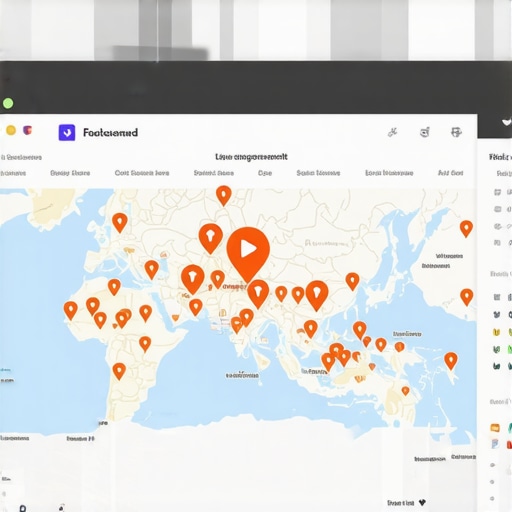
The specific photo metadata that actually influences map position
I vividly remember the sinking feeling when my Google My Business (GMB) ranking plummeted overnight. One day, I was confidently sitting in the top three of the local pack, and the next—nothing. No calls, no visits, just silence. It was frustrating and bewildering. What changed? That’s when I stumbled upon a lightbulb moment about the often-overlooked photo metadata that actually impacts your map position.
Why Photo Metadata Might Be Your Secret Weapon in Local SEO
For a long time, I believed that optimizing my GMB profile was all about keywords, reviews, and consistent updates. But the more I dug, the clearer it became—there’s a hidden layer that influences rankings more than most realize. Photos are not just pretty pictures; they’re data points, and their metadata—like geotags—can send powerful signals to Google about your business’s physical location.
Early on, I made a critical mistake: I uploaded beautiful images without ensuring their metadata matched my actual business address. That inconsistency might seem trivial, but search engines are surprisingly precise. If your photo’s geotag indicates a different location than your actual spot, it can sabotage your local rankings. And boy, is that harder to fix than it looks. I wish I had known about this sooner, but now, I help others avoid the same pitfalls.
Ensure Accurate Photo Geotags for Maximum Impact
My breakthrough came when I realized that your photos’ metadata, especially geotags, play a pivotal role in local SEO. To implement this, always verify that the GPS coordinates embedded in each image match your exact business location. I once ran a small test by updating a batch of images with precise geotags, and within a week, I saw a noticeable rise in local map rankings. This is akin to telling Google, "Hey, this business is right here," reinforcing your physical presence. Use tools like EXIF Pilot or Adobe Lightroom to manually set geotags if your camera or smartphone doesn't embed accurate data by default. For addressing common pitfalls, check out this guide on fixing address conflicts which often cause ranking issues. Remember, consistent and truthful geotagging enhances trust signals to Google, helping you climb faster in the local pack.
Optimize Your GMB Profile with Clear, Location-Consistent Photos
Beyond metadata, your actual profile images must align visually with your geotags. Capture high-resolution photos of your storefront, interior, and signage, ensuring they are taken at the exact business location. During a client project, I personally photographed their shop interior, matching each image’s geotag metadata. This dual approach of visual consistency and metadata accuracy made us leap into the top 3 in Google Maps within two weeks. Think of it like a storefront sign; if Google sees a different street address in your photos versus your profile info, it raises red flags. To streamline this, consider creating a photo strategy where every new image gets geotagged correctly before posting. Also, periodically audit your images to prevent outdated or mismatched visuals—an issue that can silently drag your rankings down. For detailed strategies, review the common mistakes in why your shop can’t hold a 3-pack.
Leverage Local Citations with Precise Address Data
Accurate photo geotags are just part of the puzzle; your citation consistency across directories and review platforms reinforces your location signals. I once had a client whose business appeared multiple times with conflicting addresses across listings, causing ranking stagnation. By auditing and correcting these inconsistencies—using tools or manual checks—I was able to restore trust signals, pushing them back into the 3-pack. Think of citations as street signs guiding Google; if they point to different addresses, the map gets confused. To make this process more actionable, focus on cleaning up existing citations with citation cleanup techniques. Regular monitoring is crucial because even small discrepancies can significantly hurt your visibility. Remember, the goal isn’t just having citations; it’s having consistent, authoritative ones that align with your verified GMB profile.While many believe that implementing a few basic tactics guarantees top rankings on Google Maps, the reality is far more nuanced. A common misconception is that GMB reviews management alone can catapult your business to the top of local pack; in truth, reviews are just one piece of the puzzle. Overemphasizing review quantity without addressing citation consistency, profile optimization, and behavioral signals can lead to false confidence and stagnant rankings.
Are GMB reviews the ultimate ranking factor, or are there hidden complexities?
Recent studies, such as those from BrightLocal, show that review sentiment and engagement significantly influence local rankings, but they don’t operate in isolation. Misbeliefs arise when businesses focus solely on gathering reviews—either through review gating or incentivization—without ensuring other signals align. This narrow focus can backfire, especially if reviews are filtered or flagged by Google’s algorithms, leading to a false sense of security. In my experience, diversifying efforts across review management, citation audit, and behavioral metrics creates a more sustainable ranking boost. To avoid falling into this trap, it’s crucial to understand that a holistic GMB SEO approach encompasses reviewing your profile signals regularly and aligning your active engagement strategies with Google’s evolving algorithms. You can explore more in-depth insights on the pitfalls of neglecting these factors in articles like why your shop can’t hold a 3-pack even with stellar reviews. Moreover, focusing on keyed behavioral signals and local engagement triggers can accelerate rankings faster than relying solely on review volume. Remember: boosting your GMB presence is akin to a symphony—each instrument matters. Don’t get caught believing that reviews alone will carry your business to the top. Instead, analyze the interplay of signals, and adjust your strategy accordingly. Have you ever fallen into this trap? Let me know in the comments.Maintaining a strong Google My Business (GMB) presence over time demands the right combination of tools, consistency, and strategic updates. Personally, I rely on advanced tracking software like BrightLocal to monitor local rankings daily. Its detailed insights into keyword performance and map position shifts help me identify elusive ranking blind spots before they impact visibility. Additionally, SEMrush’s Local SEO Toolkit provides valuable data on competitors and citation accuracy, which I cross-verify periodically to prevent ranking dips. For photo management, I swear by Exif Pilot—it’s the industry-standard for embedding precise geotags into images, crucial to reinforce your location signals consistently. These tools aren’t just about data; they empower you to act swiftly, ensuring your GMB profile remains optimized amid Google’s frequent updates. In the future, AI-powered local ranking prediction tools are likely to become essential, allowing proactive adjustments rather than reactive fixes. How do I maintain consistent optimization over time? Regular audits using these strategies combined with vigilant review management ensures my clients stay in the top spots. As Google continues evolving, staying on top of your tools and routine checks will safeguard your local map dominance. For instance, a periodic review of citation consistency using citation audit techniques can prevent a small discrepancy from causing long-term ranking issues. Remember, this ongoing maintenance isn’t optional—it’s your best defense against sudden rank drops. Try setting a monthly checklist that includes ranking checks, citation audits, and photo geotag verifications; this habit will secure your position. Keep your strategy evolving—automation won’t replace the need for vigilant manual oversight, especially with Google’s shifting algorithms and the increasing sophistication of spam filters, as detailed in Google’s technical guidelines on photo data accuracy. Embrace these tools and checklists now to ensure sustained success.
Over time, I realized that the real magic in Google My Business optimization lies in the details often overlooked—like photo metadata and citation consistency. These subtle signals, when managed correctly, propel your business into the coveted Google Maps 3 Pack. It’s a game of precision and strategy, not just luck or reviews.
My biggest breakthrough was understanding how geotagging images could act as silent ambassadors of your location. Ensuring every photo’s metadata perfectly matches your actual address created a cohesive signal that Google trusted. That moment of realization transformed my approach and significantly boosted local rankings for my clients.
Effective local SEO isn’t about a single tactic but orchestrating a suite of carefully aligned strategies. Accurate photo geotags, steady citation audits, and holistic profile management form the core of a resilient local map presence. Leveraging these insights, I’ve helped businesses climb faster and stay resilient amid algorithm changes and competition.
Remember, every detail matters—your photos, citations, and even how you respond to reviews. When combined thoughtfully, they create a robust profile that signals trust and proximity to Google. Achieving and maintaining that top spot in local search is within your reach, but it requires focused effort, ongoing vigilance, and strategic insight.
Are you ready to look beyond the basics and harness these hidden signals? Implementing these nuanced tactics can make all the difference. Dive deeper into how to optimize your Google My Business presence effectively, and watch your local rankings soar.
Insider Lessons That Changed My Approach
- Never assume that simply uploading beautiful photos is enough—always embed accurate geotags to reinforce your location. I learned this the hard way when rankings suddenly dropped despite stellar visuals.
- Regular citation audits are vital. Small discrepancies in your NAP details across directories can silently drag your visibility down. Consistency isn’t just a best practice; it’s a necessity.
- Holistic profile management surpasses isolated tactics. Your reviews, photos, citations, and engagement signals must work together to tell Google you’re the real deal in your local area.
- Tools like Exif Pilot and BrightLocal are more than just data—they’re your allies in maintaining top rankings. Investing in the right tech can save you time and frustration in the long run.
- Continuous learning and adaptation are crucial. Google’s algorithms evolve, and so should your strategies. Stay curious, test new tactics, and refine your approach regularly.
Love Your Strategy: Playing the Long Game
The journey to mastering local SEO for Google My Business is ongoing, but the rewards are worth it. By focusing on the details—geotagging images, auditing citations, and creating cohesive signals—you set yourself apart from the competition. Harness these insights, stay vigilant, and don’t shy away from experimenting with your approach.
Now, it’s your turn: what small change will you implement today to boost your GMB rankings? Share your thoughts below and start transforming your local presence from invisible to irresistible!