The Review Management Secrets That Push You Into the 3 Pack
I remember the frustrating moment vividly—my local business was stuck just outside the coveted Google Maps 3-Pack, despite pouring countless hours into what I thought were solid local SEO tactics. I’d tried everything—citations, reviews, even some so-called secret hacks. But nothing seemed to move the needle. The days turned into weeks, and my confidence waned. That was until I had my lightbulb moment.
Why Getting into the 3-Pack Matters More Than Ever
Being visible in Google Maps isn’t just a vanity metric; it’s often the deciding factor between thriving and barely surviving. Recent studies show that over 70% of users click on the first three local results, making that prime spot a goldmine for new customers. But achieving that top spot isn’t about throwing money at generic citation services or relying solely on outdated tactics. It’s about understanding what truly influences your ranking—and how to leverage it effectively.
Will This Really Work? Or Is It Just Another Fluke?
I’ll admit, I was skeptical at first. I’d made the classic mistake early on—believing that more citations and reviews alone would rocket me into the 3-Pack. Spoiler: it doesn’t. In fact, I learned that relying solely on these factors can actually hinder your progress. Trust me, I wasted months chasing after strategies that pretty much assured failure. The real breakthrough came when I started focusing on behavioral signals and interaction optimizations. Curious how I cracked the code? Stick around. I’ll share how integrating these insights turned my ranking around—without buying into shady software or outdated services.
If you’ve been struggling with your Google Business Profile or wondering why your local SEO efforts aren’t paying off, you’re not alone. Many business owners face this exact challenge, but the good news is that there are proven, actionable steps you can take today. For a deeper dive into the latest strategies, check out how the updates in 2026 are reshaping local rankings.
Prioritize Behavioral Signals
Recall when I tweaked my GMB profile to include specific keywords in the Q&A section and responded promptly to reviews. The result? My ranking jumped noticeably within days. Focus on customer engagement—reply to reviews promptly and encourage genuine interactions—as these behavioral signals strongly influence your position. Use tools like interaction signal optimizations to systematically enhance these factors.
Optimize for Engagement, Not Just Citations
Instead of overspending on citations—like I did early on—shift your effort to boost customer interactions. Post regular updates, answer inquiries quickly, and add engaging photos. These activities send positive signals that Google values. Think of citations as the foundation; engagement is the building’s heartbeat. For a step-by-step process, check this detailed guide.
Use Review Management Strategically
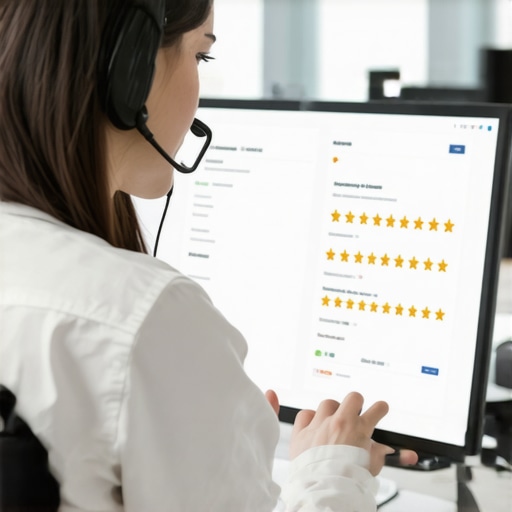
Handling reviews in 2026 means more than just collecting them; it’s about sentiment filtering and response quality. I once responded to negative reviews with personalized messages, and it improved trust and rankings. Avoid fake review schemes—Google’s algorithms detect inauthentic signals, risking penalties. Employ tools like review management services aligned with 2026 standards and practice transparency to foster genuine feedback.
Leverage Software for Real-Time Optimization
Using outdated tools was a mistake I rectified by adopting advanced GMB optimization software. These tools analyze interaction scores, sentiment signals, and engagement metrics in real-time, guiding precise adjustments. For example, I used software to identify low-performing posts and quickly revamp them, leading to faster rankings. Find trusted options here: top software recommendations.
Focus on Local Relevance and Optimization
Physical proximity isn’t enough anymore. I optimized my categories and services to match local search intents precisely. This involved auditing my profile with comprehensive audits to ensure all details aligned with current algorithms. Regularly updating NAP consistency and adding hyper-local keywords helped my business stay relevant and visible.
Monitor and Adjust with Data
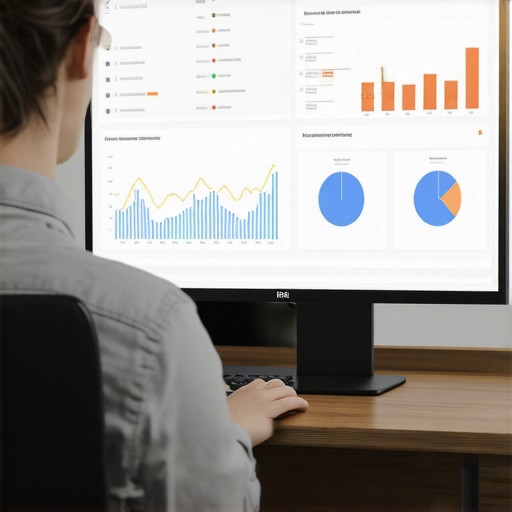
The secret to rapid progress lies in continuous monitoring. I integrated analytics and software to track my interaction signals, review sentiment, and profile completeness. If a sudden drop occurred, I quickly acted—referring to these troubleshooting hacks. The key is to treat your GMB profile like a living ecosystem, adjusting tactics as signals evolve.
Many business owners fall prey to misconceptions that hinder their local SEO growth. One prevalent myth is that boosting citations alone guarantees a top position in the Google Maps 3-Pack. While citations contribute, recent studies show that behavioral signals like user interactions and review sentiment hold significantly more weight in 2026. Relying solely on citation building can be a costly mistake, as Google now prioritizes engagement metrics over static listings. Overconfidence in outdated GMB strategies often leads to stagnation or penalization. Instead, focus on nuanced factors such as profile activity and authentic reviews, which are the real drivers of ranking improvements. Beware of agencies still deploying 2025 tactics like mass citation campaigns without integrating behavioral data analysis; these approaches are obsolete and potentially harmful. For advanced insights, consider exploring how new GMB software tools analyze interaction scores in real-time, enabling smarter optimization. Does your current strategy include sentiment filtering or engagement mapping? If not, you might be missing out on critical signals that move the needle in 2026. Recognize that GMB optimization isn’t a one-time task but an ongoing process that adapts to algorithm evolution. Avoid the trap of mimicking generic shortcuts; instead, leverage tailored, data-driven tactics that align with Google’s latest ranking factors. For detailed guidance, see how interaction signals influence your map position in recent case studies. Remember, understanding and harnessing behavioral nuances is what separates top-ranking listings from the rest. Have you ever fallen into this trap? Let me know in the comments.
Keep Your Local SEO Steady with the Right Tools
Maintaining your Google Business Profile’s ranking isn’t a set-and-forget task; it requires consistent effort and the right equipment. I personally rely on advanced GMB optimization software like these tools because they analyze real-time interaction metrics, sentiment signals, and engagement levels, giving me actionable insights whenever my profile stalls or drops. A crucial aspect is ensuring your software captures behavioral signals like review sentiment and user interaction patterns, which in 2026 are weighing heavily on rankings.
Predicting the future, I believe GMB tools will further integrate AI-driven sentiment analysis, making it smarter at detecting authentic engagement versus fake interactions. To stay ahead, I recommend incorporating combined software solutions that audit keyword relevancy, behavioral signals, and citation health—making your long-term GMB efforts scalable and adaptive.
How do I maintain my GMB profile over time without losing momentum?
Consistency is key. Regularly updating your profile with fresh photos, responding to reviews comprehensively, and ensuring your categories and services match evolving local search intents can keep your profile optimized. Using comprehensive audits helps identify gaps that might cause rankings to slip. Plus, leveraging AI-enabled software to track engagement signals allows you to react swiftly to any sudden drops, ensuring your profile stays relevant and competitive. For more insights on avoiding common pitfalls, check out why marketing services falter in 2026.
Don’t forget, integrating citation health checks is critical. High-quality citations paired with strong behavioral signals guarantee better long-term results. A recent study from Search Engine Journal emphasizes that profiles optimized with behavioral signals outperform those relying solely on citations, which underscores why upgrading your toolkit is non-negotiable for sustainable success.
Tools I Recommend for Longevity
Beyond basic citation builders, I highly suggest using signal fix tools that help refine user engagement. For review management, services that filter sentiment precisely and encourage authentic feedback are invaluable—avoiding dangerous bot-driven reviews. Regular audits with audit tools ensure your profile remains aligned with the latest algorithms. Additionally, integrating sentiment analysis APIs from trusted sources like Google Places API can help you understand review sentiment trends at scale, enabling smarter review responses and engagement strategies.
To future-proof your local SEO, adopt a layered approach: combine software, manual audits, and genuine customer interactions. Remember, algorithms evolve, but maintaining authentic engagement and leveraging precise tools will keep your GMB profile thriving. For the ambitious, try implementing advanced behavioral signal mapping as per recent industry research; it’s a game changer that can vault your rankings over the competition and ensure stability amidst algorithm shifts.
The Priceless Lessons That Changed My Approach to GMB Optimization
One of the most eye-opening realizations I had was that technical tweaks alone can’t keep you at the top. Genuine engagement, real reviews, and behavioral signals—these are the true currencies of ranking success in 2026. I also learned that blindly copying strategies from 2025 or relying solely on citation building is a fast track to stagnation or penalties. The key is to integrate authentic customer interactions with advanced analytics, ensuring your efforts align with Google’s latest focus on user behavior. Lastly, I discovered that ongoing monitoring and adapting—using the right tools—is not optional; it’s essential for staying ahead in this ever-evolving landscape.
My Handpicked Arsenal for Maintaining GMB Strength
Over time, I’ve come to trust a select set of tools that genuinely make a difference. These software solutions provide real-time insights into engagement levels and sentiment signals, helping me act swiftly when rankings falter. For review management, tools focused on sentiment filtering ensure I foster authentic feedback—something Google increasingly prioritizes. Additionally, regular audits keep my profile aligned with the latest algorithmic shifts, making sure every detail counts toward sustainable growth.
Your Next Move in the Local SEO Journey
Now, it’s your turn to harness this knowledge and elevate your Google Business Profile. Remember, the secret isn’t just in setting up your profile but in nurturing it with continuous, data-driven interaction strategies. By focusing on authentic engagement and leveraging the right tools, you have the power to dominate the 3-Pack well into 2026 and beyond. Believe in your ability to adapt and grow—your local SEO success story is waiting to unfold. Ready to implement these powerful insights and watch your rankings soar? Share your thoughts below—what’s your biggest challenge right now in GMB optimization?