The interaction signals that tell Google you are popular
The interaction signals that tell Google you are popular
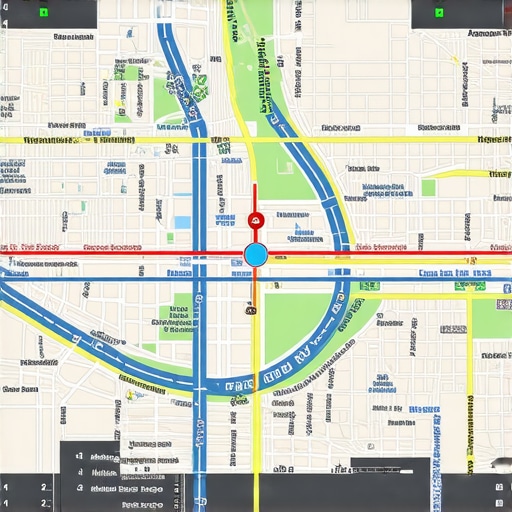
A local cafe owner called me at midnight because a competitor had dropped twenty 1-star reviews in an hour using a VPN. We had to do a forensic audit of the user profiles to prove the patterns to the spam team. I stood on the wet concrete outside the shop; noticing how the digital data didn’t match the physical reality of the empty sidewalk. These glitches in the local search grid are where the real fight for the Map Pack happens. Google does not just look at your name; it looks for the heartbeat of a business through user interaction. Popularity in the local ecosystem is a composite score of proximity; click-through rates; and the subtle behavioral patterns of mobile devices moving through physical space. Understanding how interaction signals win the map 3-pack every time is the difference between a stagnant listing and a dominant local brand.
The ghost in the GPS coordinates
Interaction signals are the specific actions users take on your Google Business Profile that confirm your relevance and popularity to the algorithm. These include clicks to your website; requests for driving directions; and direct phone calls from the mobile interface. When a user searches for a service and chooses your listing over others; Google treats this as a vote of confidence in your authority. I see businesses try to fake this with bots; but the algorithm tracks the unique device ID and its movement history. If a click comes from a device that has never been within fifty miles of your shop; the signal is often discarded or flagged as spam. This is why you must stop relying on software that misses local sentiment signals and focus on real human engagement. Popularity is not a static number; it is a live stream of data that proves you exist and provide value to the community.
“Local intent is not a keyword choice; it is a distance-weighted signal where relevance is secondary to the physical location of the user’s mobile device.” – Map Search Fundamental
The three mile radius that determines your revenue
Proximity remains a heavy ranking factor; but high interaction rates can expand your reach beyond the standard three mile radius. When your profile receives a high volume of direction requests from neighboring towns; Google understands that your business is a destination worth the drive. This behavioral data allows you to outrank competitors who are physically closer to the searcher but lack engagement. I have seen listings jump several miles in visibility simply by optimizing for specific local queries. You might need to check if why proximity still kills your ranking in suburban areas is affecting your growth. The algorithm is essentially a logistics manager; it wants to send users to the most reliable and popular location. If your profile shows zero movement; you are effectively invisible to the spatial database. Using tools to how to use a heat map tool to see where your business actually ranks can reveal exactly where your popularity signals start to fade.
The review filter mystery and sentiment filters
Google uses advanced sentiment analysis to determine if reviews are genuine reflections of popular service or manufactured noise. The filter looks for specific nouns and verbs related to your industry; if a review for a plumber mentions specific parts or the speed of the van; it carries more weight. I hate seeing agencies use canned responses that don’t address the customer. You must ask yourself is your review management ready for new sentiment filters before you launch your next campaign. Natural reviews from local guides have a higher trust score because their GPS history proves they were at your location. If you are struggling with visibility; it might be because the review filter mystery why your legitimate customers are blocked is preventing your popularity from showing. Every review is a pixel in the larger picture of your reputation; and if that picture looks staged; the algorithm will hide it.
Local Authority Reading List
- 6-marketing-tactics-to-spike-your-profile-interaction-rates
- how to audit-your-local-optimization-service-for-real-results
- why-your-local-interactions-are-not-turning-into-actual-phone-calls
- the-strategy-for-getting-reviews-that-actually-mention-your-services
- why-modern-seo-packages-now-require-behavioral-data-maps
Why your physical address is a liability
A physical address can become a liability if it is associated with previous spam or if it lacks the behavioral history of a real business. I have investigated countless cases where a perfectly valid business was suspended because they moved into a suite previously used by a map-spammer. The forensic trace of an address stays in the system for years. You need to know how to fix an address conflict hiding your profile if your rankings have suddenly tanked. Popularity signals help mitigate these address issues by proving the location is currently active and frequented by locals. Google values the candid photo of a crowded waiting room over the professional stock image that could be from anywhere. In fact; why you should stop using generic stock photos on your map profile is a fundamental lesson for any brand. Authentic images contain metadata and visual cues that confirm your presence and local popularity to the AI vision systems.
“Proximity is the strongest ranking factor, but behavioral signals like click-through rate and direction requests are the tie-breakers for the top 3 spots.” – Vicinity Update Whitepaper
The gmb ranking toolkit vs other local seo tools
The gmb ranking toolkit focuses on interaction and behavioral data while traditional local seo tools often get bogged down in static citation counting. I prefer tools that show me the grid of how a business ranks at different GPS coordinates; rather than just a single search result from a desktop computer. You should evaluate 7-software-tools-to-audit-your-profile-interaction-score to see where you stand. Many agencies still sell services to fix keyword stuffing and content issues while ignoring the fact that the business has zero phone calls or messages. If you have been penalized; you might need seo services to fix over aggressive location page strategy penalties. Real optimization requires a blend of technical accuracy and behavioral stimulation. A local seo checklist and toolkit for gmb should prioritize how a user interacts with the listing; not just how many keywords you can cram into the description. Popularity is earned through the phone calls and messages that occur daily.
The strategy for repairing a broken business model
Repairing a ranking after switching a business model requires a complete reset of the trust signals Google has collected over time. If you were a plumber and now you are an HVAC specialist; the algorithm might still be sending you leads for the wrong category. This is why local seo services to repair ranking after switching business model are necessary to clean up the secondary categories and mismatched citations. You must remove the old digital footprints to allow the new popularity signals to take hold. I often see businesses with how to clean up duplicate listings that are stealing your traffic because their old identity is still haunting the map. Cleaning up mixed language listings hurting local rankings is another crucial step for businesses in diverse urban centers. Once the data is clean; you can focus on building new interaction signals like localized posts and customer uploaded videos. Popularity cannot be built on a foundation of conflicting data.