Recovering local authority after a black hat footprint discovery
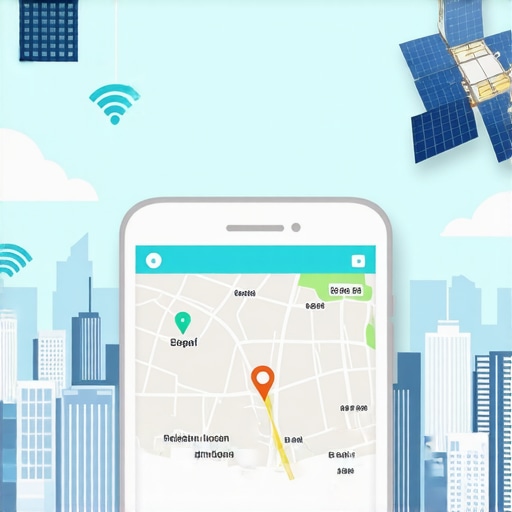
Walking through the city at dawn, the smell of wet concrete rises from the sidewalk while the low sun hits the glass of a storefront that should not exist. My phone shows a flourishing locksmith business at this exact coordinate, but the reality is a vacant brick wall. This is a data glitch. It is the visible evidence of a black hat footprint that eventually leads to a total algorithmic collapse. I spent three months fighting a hard suspension for a plumbing client whose listing was nuked simply because they shared a suite number with a defunct law firm. Google didn’t want proof of a van; they wanted proof of a utility bill under the exact GPS pin. That experience taught me that local authority is not about keywords. It is about the physical truth of your presence in a spatial database.
The moment the map data breaks
To recover local authority after a black hat discovery you must identify toxic citations, verify your physical location with hard evidence, and scrub inconsistent NAP data. Google identifies patterns of manipulation through coordinate proximity and behavioral signals that deviate from standard local merchant activity. The algorithm is not just looking for your business name. It is tracking the proximity salience of your signal. When a previous agency uses a virtual office to gain a footprint in a high-competition city, they leave a forensic trail that eventually triggers a manual action. Understanding what to do when google hits your profile with a manual action penalty is the first step toward restoration. You cannot simply delete the listing and start over. The ghost of that address remains tied to your domain and your phone number. The math of the centroid is unforgiving. If your business is pinned to a coworking space with fifty other businesses, your trust score drops to zero. You need specific how to scrub spam signals and rebuild trust with the map algorithm strategies to survive this. The lens through which Google views your business is narrowed by these past mistakes. It is like a lens flare that obscures the actual subject of the photo. You must clean the glass before you can focus on ranking again.
Why your physical address is a liability
A physical address becomes a liability when it is associated with historical spam signals or shared with high-risk business categories that trigger verification loops. The spatial database uses a grid system where every square meter is evaluated for commercial density and legitimacy. If you are using the risks of buying cheap gmb seo packages from untrusted sources, you are likely inheriting an address footprint that is already flagged. I see this often in the service industries. A contractor wants to rank in a neighboring city, so they rent a mailbox. To the map algorithm, this is a signal of deception. The proximity radius shifts from being an asset to being a primary reason for a deranking. If you have been deranked, looking for the emergency recovery plan for a sudden gmb ranking drop is vital. The algorithm tracks the GPS coordinates of users who interact with your listing. If no one ever physically visits the address you have listed, the behavioral signal contradicts your claimed location. This discrepancy is a primary trigger for the vicinity filter. You must ensure that your data matches the real-world flow of human movement. For those struggling, hiring fixing incorrect business information that ruins your local trust is not just about updating a website. It is about a coordinated cleanup across the entire local ecosystem.
“Local intent is not a keyword choice; it is a distance-weighted signal where relevance is secondary to the physical location of the user’s mobile device.” – Map Search Fundamental
The forensics of a virtual office penalty
Fixing GMB issues caused by virtual offices requires moving to a legitimate physical location and providing Google with video evidence of your permanent signage. The automated systems are now trained to recognize the floor plans of major coworking chains. When you submit a reinstatement request, the first thing they check is the suite number versus the known registry of shared spaces. If you are caught in this loop, you need how to recover a banned gmb listing without losing your mind. This is why specialized cleaning up a messy gmb footprint left by a bad agency services are growing in demand. These agencies use the toolkit every agency needs for deep gmb competitive audits to find where the bad data is hiding. It might be on a obscure directory you forgot about five years ago. It might be in the metadata of the images you uploaded. Every photo you add to your profile contains EXIF data. If that data shows the photo was taken at your house but your business is listed downtown, you have created a conflict. You must learn how to use local citations to fix a damaged gmb reputation by flooding the system with consistent, geo-tagged evidence that matches your real location.
Local Authority Reading List
- How We Audit Citation Spam
- Immediate Steps for Visibility Blackouts
- The Toolkit for Rank Maintenance
- Documenting and Deleting Fake Reviews
- Fixing Duplicate Map Pins
Reclaiming your spot in the three pack
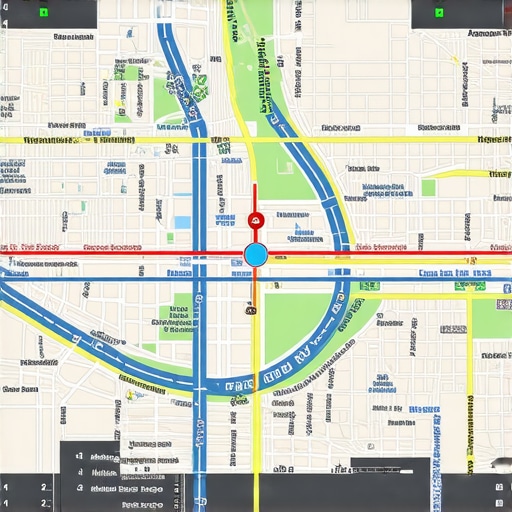
To reclaim a spot in the local three pack after a deranking you must focus on behavioral signals like high-quality reviews and local engagement metrics. While many focus on the number of reviews, the algorithm is moving toward sentiment analysis and user-generated content. Photos taken by customers at your location are thirty percent more effective for ranking in AI Overviews than professional stock photos. You need the step-by-step toolkit for ranking a brand new gmb listing even if your listing is old because the recovery process is essentially a re-launch of your brand. If you are dealing with a competitor who is cheating, you should look into fighting map pack spam how to report competitors who cheat. The proximity filter is sensitive. A small change in your primary category or a slight adjustment to your service area polygon can have massive effects. If you have multiple locations, you likely face the nightmare of mixed listings for multi-location brands and how to fix it. This is where the agency toolset for tracking local grid rankings without errors becomes indispensable. You need to see the grid. You need to see where your authority ends and your competitor’s begins. It is a game of inches on a map, not pages in a book.
The three mile radius that determines your revenue
The three mile radius around your physical business location is the primary battleground for local search revenue and proximity-based visibility. In high-density urban areas, this radius might shrink to just a few blocks. In rural areas, it might expand to twenty miles. The algorithm calculates the density of similar businesses and adjusts your reach accordingly. If you have been hit by detecting negative seo is a competitor tanking your local business, your radius will contract. You will only show up when someone is standing right in front of your door. To fix this, you need seo services to fix deranked website signals that reinforce your local relevance. This includes hyper-local content that mentions specific neighborhoods and landmarks. It is about building a digital fence around your service area. If you find duplicates of your business, follow the proven process for removing duplicate business listings fast. Duplicates confuse the centroid. They split your authority and prevent you from reaching the full three-mile potential. You must also consider how to keep your local review count when merging business profiles so that you do not lose years of trust while cleaning up the mess.
“A single mismatched coordinate in the local ecosystem creates a trust deficit that algorithmic filters prioritize over historical review volume.” – Proximity Data Journal
The forensic trace of a service area polygon
Service area polygons must be defined by actual zip codes where you have a history of physical presence and service delivery to maintain map stability. Many businesses make the mistake of selecting entire states or regions. This dilutes your local signal. The algorithm looks for the nexus between your business address and the locations of the people calling you. If there is no overlap, you are flagged as a lead-gen spammer. Using fixing mixed up service areas for multi-location service businesses is the only way to keep the data clean. You must also be aware of the checklist for recovering from a spammy lead gen suspension if you have gone too far. The goal is to show a natural, logical flow of service. Use the software tools that actually simplify gmb profile management to monitor these polygons daily. Any sudden shift in where your calls are coming from can indicate a technical error or a competitor attack. Precision is the difference between a thriving local business and a ghost on the map. You have to be the one who notices the glitch before Google does. You have to be the one who sees the wet concrete and knows exactly where the footprints lead.