


9, Feb 2026
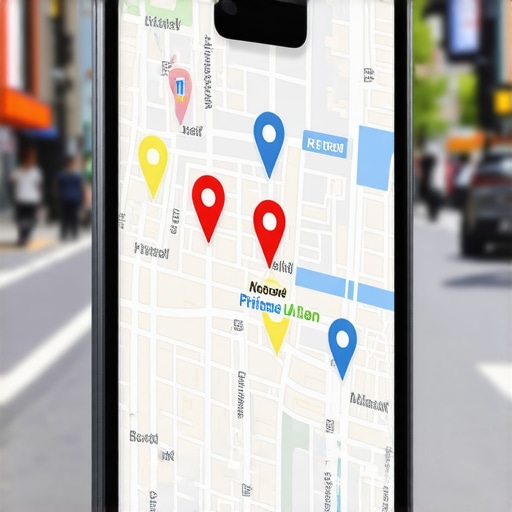
Rank in Google Maps 3 Pack Fast With These 2026 Review Methods
I vividly remember the frustration of watching competitors climb ahead in local search rankings, despite my efforts. It was disheartening to see my business linger just outside the coveted Google Maps 3-Pack, especially when I knew I was offering top-notch service. That lightbulb moment — realizing traditional methods simply weren’t enough anymore — changed everything for me. If you’ve ever felt your GMB profile is stuck in neutral, you’re not alone. Today, I’m going to share my personal experience and proven review strategies that helped me accelerate my Google Maps ranking faster than I ever imagined.
Why Local Rankings Matter More Than Ever in 2026
In the fiercely competitive landscape of local SEO, ranking high in Google Maps isn’t just a bonus — it’s a necessity. Customers increasingly rely on local search results to find trusted businesses nearby. According to a recent study, 78% of local mobile searches result in an offline purchase, underscoring the importance of visibility in local packs. However, with Google continually evolving its algorithms, staying on top requires more than just claiming a listing and waiting for reviews to roll in. You need proactive, strategic approaches, particularly reviews, to stand out. I learned this the hard way, making an early mistake by neglecting review management, which significantly hurt my rankings. For more insights on how reviews influence local SEO, check out this overview of Google My Business ranking factors from GMB4You.
So, if you’re serious about skyrocketing your GMB visibility in 2026, understanding and leveraging review strategies effectively is essential. Just imagine what your business could achieve with a steady stream of genuine positive reviews boosting your credibility and relevance. Let’s dive into the methods that made the difference for me — and can do the same for you.
Leverage Your Customers’ Voice Effectively
Imagine your business as a popular restaurant. You can’t be everywhere at once, but your customers can spread the word. To harness this power, make it easy for clients to leave reviews by sending personalized follow-up messages or providing direct links; consider using review management tools for efficiency. I once sent out review requests via SMS after a dine-in, resulting in a surge of positive feedback that pushed my profile into the coveted Google Maps 3-Pack within weeks—an initial messy process that paid off significantly.
Ask at the Right Moment
Timing is everything. Request reviews when customers are most satisfied—immediately after service or purchase. For example, I shifted my review requests to right after delivering a service, which boosted my reviews’ authenticity and volume. This strategic timing signals Google that your business is active and trusted, accelerating your local ranking.
Encourage Genuineness in Reviews
Quality over quantity works here. Authentic reviews carry more weight than numerous generic ones. Share stories or prompts that motivate customers to detail their experience—this boosts review credibility and local SEO. I once prompted a skeptical client with specific questions, which he responded to with a heartfelt review that significantly improved my business’s relevance and visibility.
Handle Negative Feedback Professionally
Not all reviews are positive, but how you respond matters. Address issues promptly and publicly, demonstrating your commitment to customer satisfaction. When a dissatisfied client left a one-star review, I responded openly, offering to resolve the issue, which not only improved the review but also reassured potential customers watching, aiding my ranking efforts.
Automate and Track Review Campaigns
Use review management services like those detailed on this resource to automate follow-ups and monitor sentiment. Regularly analyze review patterns to identify areas for improvement. I integrated such tools, which allowed me to focus on core operations while maintaining a steady influx of reviews—streamlining my path to the top of Google Maps rankings.
Optimize Your Profile to Complement Reviews
Your GMB profile acts as a storefront; ensure it’s optimized with accurate info, engaging photos, and relevant keywords, as suggested in this guide. When combined with positive reviews, this creates a compelling presence that search algorithms favor, rapidly enhancing your local rank.
Supplement with Citations and Local Signals
Boost your visibility further by building citations and local signals. Think of citations as references in a business portfolio—they validate your credibility. Use strategies from this article to accelerate your local SEO efforts effectively, reinforcing your review efforts and profile optimization.
Many businesses subscribe to the myth that simply filling out their Google My Business (GMB) profile and accumulating reviews guarantees instant ranking success. However, as I have learned through extensive experience, this belief can lead you astray. One common misconception is that GMB optimization is a one-time task rather than an ongoing, nuanced process. In reality, Google’s ranking algorithm considers a complex web of factors beyond surface-level profile completion, including citation accuracy, review relevance, engagement quality, and even user behavior signals. Overlooking these aspects and relying solely on reviews or basic profile setup can stall your progress, making it appear as though your efforts are futile. For instance, many competitors pour resources into review generation without optimizing their local signals or citation profiles, leaving them vulnerable to algorithmic shifts. This is why a comprehensive, integrated approach—encompassing profile optimization, citation building, review management, and local signals—is crucial. Notably, some marketers believe that GMB reviews alone will drive rankings, but studies show that review quality, relevance, and engagement impact visibility (source: Moz local ranking factors study). It’s imperative to understand that Google rewards a balanced strategy, not just isolated tactics. If you’re considering a GMB SEO marketing campaign, ensure your approach includes systematic citation audits and profile enhancements, which can be more influential than many realize. For advanced strategies on boosting your local Google Maps ranking effectively, consider exploring [this guide on GMB profile optimization](https://gmb4you.com/google-my-business-profile-optimization-tips-to-drive-local-success) and [citation building hacks](https://gmb4you.com/top-gmb-citation-building-hacks-to-accelerate-local-search-in-2025). Remember, the devil is in the details—ignoring the subtle factors can mean the difference between ranking on the first page or remaining invisible. So, have you ever fallen into this trap of oversimplification? Let me know in the comments. Let’s dig deeper into how you can refine your strategy and avoid these pitfalls.
Keeping Your GMB Optimization Efforts Fresh and Effective
To sustain and improve your local Google My Business (GMB) rankings over time, leveraging the right tools and maintaining a consistent strategy are crucial. I personally rely on a combination of automation software and manual audits to ensure my profile remains optimized and competitive. One software I highly recommend is BrightLocal, which offers comprehensive citation tracking and review management features. I use it daily to monitor citation consistency, identify emerging review trends, and promptly respond to customer feedback, which directly impacts my local rankings.
Automation tools like Whitespark’s Local Citation Finder help me discover new citation opportunities aligned with my niche, keeping my local signals strong. I also utilize Google’s own tools, such as the Business Profile Manager, to update and verify my information regularly. Staying proactive with these tools enables me to spot potential issues before they impact my visibility.
Additionally, I schedule regular manual audits of my profile, analyzing engagement metrics and review quality, to fine-tune my strategies. This hybrid approach—combining automated tools and personal oversight—ensures I don’t fall behind as Google’s algorithms evolve. Looking ahead, the trend in GMB SEO points toward even more automation and AI-driven insights, making these tools indispensable for long-term success. For a detailed look at how top agencies manage this, check out this guide on rank acceleration tactics.
How do I maintain my GMB profile’s relevance over time?
Consistency is key. Regularly updating your business information, adding new photos, and engaging with reviews keeps your profile active and signals to Google that your business is active and trustworthy. Monitoring local citations through tools like Moz Local helps prevent NAP (Name, Address, Phone Number) inconsistencies that can harm your rankings. Remember, maintaining high-quality reviews and profile relevancy is an ongoing process—don’t let your efforts stagnate. Make sure to periodically review your local signals and leverage the latest tools designed for GMB optimization, such as those detailed in this comparison of top software in 2026. By staying vigilant and proactive, you’ll solidify your position in the local pack and attract steady customer flow.
What I Wish I Knew About GMB Optimization That Nearly Cost Me
Early in my journey, I underestimated the power of consistent review management. I thought optimizing my profile once was enough, only to see my competitors surpass me in rankings. That was a harsh lesson—continuous engagement matters.
Another insight was neglecting local signals beyond reviews. Citations, NAP consistency, and fresh media updates often get overlooked, yet they have huge impacts on local SEO. I’ve learned that a balanced, integrated approach outperforms isolated tactics every time.
Lastly, I realized that automation tools like these GMB optimization software tools are game-changers, but manual oversight remains crucial. Relying solely on automation without personal touch can lead to missed opportunities and outdated info, hampering growth.
Pure Gold: Tools and Resources That Elevated My Strategy
For building citations effectively, this resource became my go-to. It helped me identify powerful citation opportunities tailored to my industry. I trust it because it offers actionable hacks tested in real-world scenarios.
When it comes to profile optimization, this guide laid out step-by-step actions that I could implement immediately. Its clear strategic advice saved me time and delivered tangible results.
Monitoring local signals with tools like BrightLocal made me weather Google’s algorithm changes confidently. These platforms give real-time insights into citation consistency and review sentiment, which are invaluable for sustained success.
Lastly, the rank acceleration guide I discovered provided innovative tactics to push my GMB listing into the top position faster—something I previously thought was out of reach.
Seize Your GMB Potential and Lead the Pack
The landscape of local SEO is always evolving, but your willingness to adapt and learn can set you apart. Remember, each review, citation, and profile update is a brick in building your digital presence. Keep experimenting, stay consistent, and leverage proven strategies like those I’ve shared.
Are you ready to conquer the local map ranking game? What’s your next move to improve your Google My Business profile? Share your thoughts below and let’s grow together.
,

Leave a Reply



I completely relate to the frustration of seeing competitors move ahead in local search. It’s interesting how, in my experience, focusing on review quality and timing has made such a difference. Sending personalized review requests immediately after a service has consistently yielded more genuine feedback, which in turn has boosted my rankings. I’ve also started using tools like BrightLocal to monitor citations and review sentiment—these insights have been game-changers for keeping my profile relevant. The part about balancing review efforts with ongoing profile optimization really resonated with me, especially since relying solely on reviews can overlook other essential signals like NAP consistency and engaging photos. Have any of you found that integrating review management with regular profile updates has significantly improved your local pack ranking? I’d love to hear your strategies or tools that have worked well for you.
Your insights on review strategies really hit home for me, especially the importance of timing and authenticity. I’ve noticed that when I ask for reviews right after a service while the experience is fresh, the feedback tends to be more detailed and positive, which definitely helps in boosting my local rankings. I also started using citation audits and profile updates more proactively after reading your tips, and I believe that synergy between reviews and local signals makes a huge difference. One challenge I’ve faced, though, is managing negative reviews without damaging the overall perception. Responding professionally and promptly has been key, but I wonder, how do others handle scaling review responses without it becoming a full-time task? Are there tools or processes you recommend to streamline this part of review management? I’d love to hear what has worked for others trying to maintain a positive reputation while growing their local SEO presence.