



9, Feb 2026
Stop Using These 3 GMB Click Through Rate Service Tactics in 2026
Ever spent hours tweaking your Google My Business profile, only to see little to no uptick in clicks or visibility? I remember the moment I realized I’d been wasting time on strategies that just didn’t deliver anymore. It hit me hard—like a lightbulb flickering out—when I poured effort into boosting my GMB click-through rate using common tactics, only to watch my data remain stubbornly stagnant. That was the day I understood that some of the ‘tried and true’ methods I relied on were now obsolete, especially with the 2026 updates shaking up local search rankings.
The Shocking Truth About Outdated GMB Tactics
We’ve all been there—trying to game the system thinking more posts, keyword stuffing, or fake reviews will get us to the top. I used to believe that if I just threw enough GMB citations and optimized my profile superficially, I’d climb higher in Google Maps rankings. But after a disappointing quarter, I stumbled upon recent insights showing that many of these methods have lost their relevance—or worse, they can hurt your credibility. In fact, citation building mistakes are among the top reasons small businesses struggle to rank in 2026. This realization sparked a new approach—one rooted in authenticity and strategic optimization that aligns with the latest algorithm updates.
Has this ever happened to you? Faced with a stagnant local ranking despite following all the supposed ‘best practices’? You’re not alone. Early on, I made the mistake of focusing solely on quantity over quality, overspending on cheap SEO packages that promised quick results but delivered little. That misstep cost me time, money, and frustration. Since then, I’ve learned that the real winning formula isn’t about quick hacks but about making meaningful, compliance-driven changes. Want to dive into proven strategies that actually work? Check out this definitive profile optimization guide for 2025 success.
In the following sections, I’ll share insights from my own experience and industry experts on what strategies are still effective—without falling into the traps of outdated tactics. Ready to stop wasting resources and start dominating your local market? Let’s get into the practical steps that will help you rank faster and stay ahead in this competitive landscape.
Prioritize Your GMB Profile Optimization
Start by claiming your Google My Business (GMB) profile if you haven’t already. Ensure all information is accurate and complete, including your business name, address, phone number, and categories. Use the keyword-rich business description to align with your target search queries. Don’t overlook adding high-quality images—these are like storefront windows that entice customers. Regularly update your profile with fresh content, offers, and posts to signal activity to Google’s algorithm. For a comprehensive guide, check out this recent review.
Implement Strategic Citation Building
Build citations across authoritative directories to boost your local relevance. Focus on NAP consistency—your business name, address, and phone number should match exactly everywhere. Avoid common pitfalls like duplicate listings or outdated information, as they can harm your rankings. Incorporate citations in industry-specific directories where your target audience is active. For insights into avoiding citation mistakes, consult this resource.
Optimize for User Engagement and Click-Through Rate
Enhance your GMB listing to attract clicks. Use compelling titles and descriptions that highlight your unique selling points. Incorporate relevant keywords naturally but avoid keyword stuffing. Leverage high-quality images, including interior photos, staff pictures, and menus—these build trust. Run A/B tests on your post content and images to identify what resonates most with your audience. For techniques to spike your click-through rate, review this strategy guide.
Leverage Posts and Reviews Effectively
Consistently publish posts with updates, offers, and events. Use calls-to-action that direct users to your website or booking page. Solicit reviews from satisfied customers—positive reviews improve rankings and build credibility. Respond promptly to reviews to demonstrate engagement and professionalism. Automate review requests where possible and track your reputation to identify and resolve issues quickly. For advanced review management tactics, see this comprehensive guide.
Harness Local Signals and SEO Hacks
Focus on local signals such as proximity, relevance, and prominence. Use localized keywords in your profile, posts, and website content. Embed a Google Map on your website with consistent NAP details. Utilize schema markup to help search engines understand your business context better. Employ SEO tools and software that automate citation updates, review management, and rank tracking. Quick wins include optimizing service-area pages and assessing your competition’s strengths—these tactics align with top SEO hacks for 2026.
Stay Ahead with Ongoing Monitoring and Adjustment
Track your rankings regularly using reliable software. Analyze user engagement metrics like calls, clicks, and direction requests. Adjust your strategy based on data—if click-through rates dip, revisit your titles, images, or reviews. Keep up with algorithm updates by subscribing to industry blogs and participating in forums. Continuous optimization ensures your GMB profile remains competitive and adapts to future shifts, like the upcoming 2026 algorithm changes. Regular audits ensure your local SEO efforts stay aligned with best practices.
Many small business owners believe that quick fixes and superficial optimization tactics will guarantee top rankings on Google Maps. This misconception can lead you down a path of wasted effort and lost opportunities. In reality, understanding the nuanced factors behind GMB rank fluctuations is crucial for sustained success. While some service providers might push deceptive shortcuts, such as keyword stuffing or fake reviews, these approaches are not only ineffective in 2025 but can also result in penalties and decreased credibility. Instead, focus on comprehensive strategies like accurate profile optimization, strategic citation building, and enhanced user engagement. For an in-depth review of effective tactics that align with the latest algorithm shifts, check out this proven guide.
Have you ever fallen into this trap? Let me know in the comments. When it comes to achieving rapid Google Maps visibility, many presume that increasing volume—more posts, more keywords—will suffice. But algorithms in 2025 favor quality signals, like genuine reviews, consistent NAP data, and authoritative backlinks. A common mistake is neglecting the importance of user engagement metrics, especially click-through rates, which are gaining influence in ranking factors. Services offering quick-fix gmb SEO hacks often overlook these critical nuances, leading to short-term gains but long-term losses. To navigate this complex landscape effectively, strategize around authentic optimization and continuous monitoring. For a comprehensive understanding of top-ranking techniques, explore this expert-approved approach.
> So, what advanced mistake do many small businesses overlook? They underestimate the power of local signals and the importance of consistent, high-quality citations. Mismanaged citation building—like creating duplicate listings or outdated info—can significantly hamper your rankings. The recent 2026 update emphasized the need for precision and authority in local SEO efforts. Going beyond basic citation placements and integrating schema markup, localized keywords, and optimized profiles creates a layered defensive strategy that elevates your Google Business Profile above the competition. Want to master citation strategies? Visit this detailed resource for expert insights.
If you want your Google My Business (GMB) efforts to pay off long-term, investing in the right tools and establishing a rigorous maintenance routine is crucial. In my experience, the best way to keep rankings stable and even improve is to leverage specialized software that automates repetitive tasks, allowing you to focus on strategy and content quality.
How do I maintain GMB rankings over time?
First, I recommend using GMB optimization software like BrightLocal or Whitespark. These tools are indispensable for tracking citation consistency, monitoring review fluctuations, and analyzing local ranking movements. They help identify issues like duplicate citations or inconsistent NAP data before they impact your visibility. Regularly auditing your profile with these tools can prevent small issues from snowballing into significant dips in rankings.
Second, maintaining a pulse on your online reputation through review management platforms such as ReviewTrackers or Podium can keep your engagement high. Responding promptly to reviews, especially negative ones, not only enhances your credibility but also signals activity to Google. Additionally, scheduling monthly content updates via scheduling tools ensures your profile remains fresh and relevant, which is essential as algorithms get smarter and prioritize local signals more heavily.
In terms of long-term results, integrating these tools into your workflow minimizes manual errors and ensures compliance with evolving GMB guidelines. Additionally, constant monitoring allows you to adapt swiftly when algorithm updates, such as the anticipated 2025 ranking shifts, impact your visibility.
Emerging trends and future predictions
Looking ahead, automation will continue to revolutionize local SEO maintenance, with AI-driven insights becoming more prevalent. Predictive tools that analyze competitors and forecast ranking fluctuations could become standard, helping small businesses stay ahead without extensive manual oversight.
For example, in the context of citation management, complying with Google’s evolving standards is critical. As documented by Google’s developer guidelines, structured data and schema markup will play an increasingly significant role in how your business is perceived and ranked locally. Staying updated with these technical requirements and automating schema implementation can give you an edge.
Try incorporating one advanced tip today: set your profile to auto-update via a tool like SEMrush or Local Falcon, which can help adjust your keywords based on trending local search terms. This proactive approach ensures your profile remains aligned with user intent, boosting your click-through rates and rankings over time.
Lessons from the Front Lines of Local SEO
Over the years, I’ve discovered that some of the most impactful lessons come from stumbling through my own missteps. One of the hardest truths I faced was underestimating the importance of consistency in citation accuracy—initially, I thought sporadic updates would suffice. It wasn’t until I experienced a noticeable dip in rankings that I realized that meticulous NAP maintenance and schema markup implementation are non-negotiable for sustainable success in 2025. Additionally, I learned to prioritize genuine reviews over fake review schemes, understanding that Google’s algorithms are better than ever at identifying authentic signals. These lightbulb moments transformed my approach from quick hacks to strategic, compliant optimization that truly moves the needle.
Tools and Resources That Changed My Approach
In my journey, certain tools have proven invaluable. I rely on BrightLocal for citation tracking and audit automation, helping me maintain consistency effortlessly. ReviewTrackers empowers me to stay on top of reputation management, ensuring prompt responses that build trust. For keyword optimization, Local Falcon offers insights into trending local search terms. These tools have helped me adapt quickly to evolving algorithms and ensure my strategies stay aligned with best practices. Investing in reliable resources like these has been a game-changer in achieving consistent local search success.
Keep Moving Forward with Confidence
Embarking on your Google Maps ranking journey can feel overwhelming, but remember—every small, consistent step counts. Embrace the ongoing process of profile optimization, citation accuracy, and review cultivation. With the right mindset and tools, you’ll find yourself not just competing but leading in local search results. Keep your focus on authentic signals and continuous learning, and watch your visibility soar in 2025. Your success story is waiting to be written—start today with confidence and purpose.
- 0
- By Gina Lee

![Stuck at #4? 5 Local GMB Optimization Fixes for the 3-Pack [2026]](https://gmb4you.com/wp-content/uploads/2026/02/Stuck-at-4-5-Local-GMB-Optimization-Fixes-for-the-3-Pack-2026.jpeg)
8, Feb 2026
Stuck at #4? 5 Local GMB Optimization Fixes for the 3-Pack [2026]
I remember the day clearly. I had been chasing that elusive spot in the coveted Google My Business (GMB) 3-Pack, feeling like I was just one tweak away from ranking higher. Yet, no matter what I did—more photos, better reviews, sharper keywords—I remained stuck at number four. It was maddening. Then it hit me: I was missing out on a bundle of potential calls and foot traffic because of tiny, overlooked flaws in my profile. Have you ever experienced that sinking frustration of being so close but just out of reach of that top spot?
Why Your GMB Profile Might Be Holding You Back in 2026
It’s 2026, and local SEO has never been more competitive or complex. Google continuously updates its algorithms and ranking signals, making it vital to keep your GMB profile in peak shape. If you’re like many small-business owners I talk to, you might think that just claiming your profile and posting a few photos is enough. But trust me, there’s a lot more at play. Even a small mistake—like inconsistent citation data or neglecting the latest optimization features—can keep you behind your competitors whose profiles are finely tuned.
One thing I learned early on: investing in reliable GMB optimization software helps automate the tedious tasks and highlights critical areas for improvement. And if you’re unsure whether your profile is missing essential signals, there’s a handy voice search-ready tool to check your optimization health. Recognizing and fixing these details can make the difference between that coveted top 3 and lurking just outside at number four.
Is All the Hype About Local SEO Worth It?
Let’s face it, the local SEO world can seem overwhelming, especially with new strategies emerging every year. Early in my journey, I made a costly mistake—overlooking consistent citation building—which kept my rankings stagnant. Now, I understand that improving visibility isn’t about quick fixes; it’s about strategic, ongoing effort and understanding what Google values most in 2026.
In the upcoming sections, I’ll share the *exact* fixes I’ve used—and refined—to push profiles into the 3-Pack faster. From citation tactics to profile enhancements, these are proven methods that have helped many local businesses, including mine, rise above the noise. Ready to finally crack that top 3? Let’s dive into the solutions tailored for this dynamic landscape.
Start by claiming and verifying your Google My Business (GMB) profile if you haven’t already. Ensure all information—name, address, phone number—is consistent across platforms to build trust with Google, acting like a reputation deposit. Fill out every available field, including hours, services, and business categories, to signal relevance. Use relevant keywords naturally within your business description, mirroring what your ideal customers search for. Remember, a fully optimized profile is your foundation.
Next, upload high-quality photos and videos that showcase your offerings. Google prioritizes profiles with engaging visuals—they’re like signs in a crowded market. Regularly update your media to show activity and freshness, which can improve your ranking booster. Incorporate images that highlight special features or promos, making your listing irresistible. Don’t forget to add descriptive alt text to boost SEO—think of it as giving Google clues about your visuals.
Consistent and accurate citations are like your reputation in local directories—if they match your GMB info perfectly, Google trusts you more. Use a reliable GMB citation building strategy to distribute your NAP data across top directories. Consider leveraging GMB optimization software to automate this process, reducing human error and accelerating your progress.
It’s 2026, and manual work is out. Use cutting-edge GMB optimization tools to analyze your profile health, identify gaps, and implement changes faster than competitors. These tools can help optimize your categories, attributes, and even adapt to voice search—a crucial feature this year. Think of software as your GPS in the SEO landscape, guiding you around pitfalls and straight towards the top.
Reviews are social proof that act like endorsements—vital for ranking and credibility. Actively solicit reviews from satisfied customers, making it easy for them with direct links and prompts. Respond promptly and genuinely; this interaction signals engagement to Google and builds trust. To manage reviews efficiently, consider review management tools that alert you to new feedback, ensuring no review is left ignored or faked. Authentic, consistent reviews propel your profile in the 3-Pack.
Google evaluates multiple signals—distance, relevance, and prominence. Maximize relevance by adding detailed service descriptions, FAQs, and targeted keywords. Improve prominence by local backlinks and citations from high-authority sites. For rapid results, implement click-through rate hacks, such as attractive photos and compelling descriptions, making your listing irresistible. These tactics are the secret sauce for quick climbs in rankings.
Voice search is huge—it’s like tuning into Google’s secret conversations. Use conversational keywords and answer common questions clearly within your profile and website. Tools like voice search optimization software help identify natural language queries, allowing your profile to rank higher for voice-triggered searches. Think of it as speaking Google’s language, making your profile more discoverable in fast-paced local searches.
Track your progress using analytics from your software tools. Analyze which actions increase visibility and calls, then double down on those strategies. Regularly refresh your media, update your NAP data, and nurture reviews. Think of your GMB profile as a living asset—healthy, responsive, and constantly optimized to stay ahead in the hyper-competitive local landscape. When you act systematically, success becomes inevitable.
Many local marketers and business owners fall prey to misconceptions that can hinder their GMB success. One pervasive myth is that simply filling out the basic profile information guarantees a top spot on Google Maps. In reality, advanced nuances like optimizing your attributes, leveraging GMB optimization software, and maintaining citation consistency are what truly drive rankings.
Another common mistake is relying on outdated tactics, such as keyword stuffing in your business description. Google’s algorithms have matured—prioritizing relevance, user engagement, and trust signals over keyword density. For example, focusing on local relevance through citation building and authentic reviews will outperform superficial keyword hacks every time.
What’s the danger in neglecting voice search optimization?
Many overlook the importance of optimizing for voice search, which is critical in 2025 and beyond. Using voice search tools can reveal natural language queries your customers use. Ignoring this can cause your profile to miss a significant traffic source, especially since voice searches tend to be more conversational and context-driven. A study by BrightLocal shows that 58% of consumers have used voice search to find local businesses, emphasizing the need to refine your profile for these queries.
Beware of the ‘one-and-done’ mentality—many believe that a weekly review or update is enough. In truth, regular optimization, including monitoring your ranking signals and adjusting your strategy, is vital for sustained visibility. Becoming complacent can lead to rapid declines in your GMB position, especially given Google’s frequent algorithm updates.
So, instead of falling into these common traps, invest in a comprehensive approach. Use GMB SEO hacks in 2025 and leverage cutting-edge optimization software for quick results. These strategies accelerate your journey to the top and keep you there. Remember, complex issues often lurk beneath the surface—if you’re serious about dominating local search, understanding and implementing these advanced tactics is non-negotiable.
Have you ever fallen into this trap? Let me know in the comments.

Maintaining a high-ranking Google My Business (GMB) profile isn’t a set-it-and-forget-it task; it requires consistent effort and strategic use of the right tools. One of my go-to methods is leveraging advanced GMB optimization software that automates routine tasks like category adjustments, attribute updates, and review responses. These tools are vital because they not only save time but also ensure that no critical signal is overlooked, especially as Google continues to refine its ranking algorithms.
For citation building, I rely heavily on citation strategies that prioritize consistency and accuracy across all directories. Using dedicated citation management services helps prevent common errors such as inconsistent NAP (Name, Address, Phone Number) information, which can disarm your local SEO efforts. Regular audits and updates are essential because even minor discrepancies can harm your rankings over time.
Voice search optimization is another crucial area, and I recommend employing specific software tools designed for voice search. These platforms analyze natural language queries that your potential customers are using, enabling you to fine-tune your profile content and FAQs accordingly. As search habits shift towards voice activation, integrating this into your ongoing strategy will keep you ahead of competitors.
To ensure long-term success, I advise combining these tools with routine manual reviews. Monitoring your insights and adjusting your strategies based on data trends is key. Also, staying updated with authoritative sources like Google’s official Google Places API documentation can provide valuable technical guidance for advanced optimization techniques and emerging features.
Want to see real results? Start by implementing automated review response systems with Google Maps ranking hacks and set a schedule for citation audits. Consistency combined with the right tools will help you keep your GMB profile performing at its best well into 2026 and beyond.
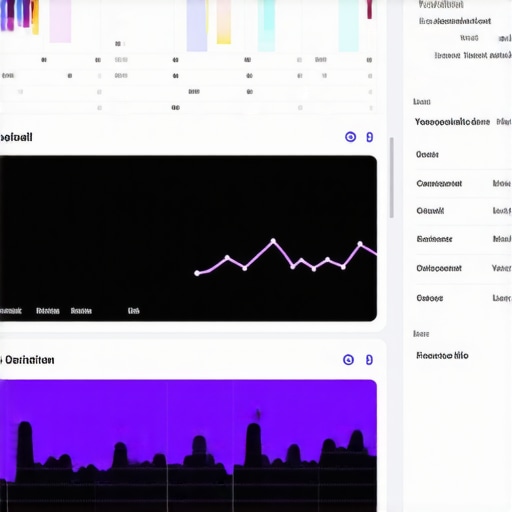
Here’s a visual of an optimized GMB dashboard showing real-time analytics and tool integration—an essential view for any local SEO pro serious about keeping profiles competitive. Now, imagine automating this dashboard with top-tier software to continuously monitor and refine your signals, freeing you to focus on strategic growth.
Hitting the Wall: Lessons You Won’t Find in Guides
One of my toughest lessons was realizing that relying solely on automated tools without understanding the unique nuances of my business’s local market led to stagnant rankings. I once believed that updating photos weekly was enough—only to discover that competitors obsessively tailored their descriptions with natural language queries. It taught me that genuine adaptation and continuous learning trump any checklist.
Another eye-opener was the importance of managing reviews proactively. Initially, I thought responding once a month was sufficient—until I saw profiles thriving on daily engagement. It became clear that authentic interactions are a cornerstone of local trust and visibility, not just a box to check.
Lastly, I learned that voice search optimization isn’t optional anymore. When I ignored natural language keywords in favor of traditional SEO, I missed a surge in traffic—especially in 2026, as voice becomes the primary search method. Embracing voice-optimized content transformed my approach entirely, making me a believer in continuous evolution.
Tools That Changed the Game for Me
For staying ahead in GMB profile optimization, I swear by GMB optimization software. It automates crucial tasks like attribute updates and category analysis, saving me countless hours. When it comes to citation management, I trust citation strategies that ensure NAP consistency across all directories—an essential step that used to drain my resources.
Voice search is evolving fast, and software designed for voice optimization has been a game-changer. It helps me tailor my profile’s FAQs and descriptions to match natural language queries, capturing a broader audience.
Finally, analytics platforms like Google’s own Google Places API keep me informed about real-time performance, allowing me to adjust strategies swiftly and effectively.
Make Your Next Move with Confidence
Elevating your GMB profile isn’t a one-time effort—it’s an ongoing journey that demands the right tools, strategic mindset, and a willingness to adapt. Embrace automation without losing sight of authenticity, and don’t shy away from exploring cutting-edge strategies like voice search optimization. When you combine insight with action, your local visibility will soar beyond what you thought possible.
What’s the biggest challenge you’ve faced in optimizing your GMB profile? Drop your experiences below—I’d love to hear your story!
![3 Signs Your GMB Click Through Rate Service Is Using Fake Traffic [2026]](https://gmb4you.com/wp-content/uploads/2026/02/3-Signs-Your-GMB-Click-Through-Rate-Service-Is-Using-Fake-Traffic-2026.jpeg)
8, Feb 2026
3 Signs Your GMB Click Through Rate Service Is Using Fake Traffic [2026]
It was a chilly Tuesday morning when I noticed something odd—my GMB insights showed a spike in clicks that didn’t quite sit right. At first, I brushed it off, thinking maybe an enthusiastic customer finally found my listing. But as the days went on, that spike felt suspiciously consistent and, frankly, unnatural. That’s when I had my lightbulb moment: my GMB click-through rate service might be using fake traffic. Have you experienced a similar situation where your local SEO efforts seem too good to be true? Well, you’re not alone—and today, I want to share how I uncovered the signs and protected my business from being misled.
The Importance of Authentic Click-Through Data in Local SEO
When you’re working hard to improve your Google My Business profile, every click counts. It reflects genuine interest from potential customers—and more importantly, it influences your ranking in the coveted 3-pack. But what if your data is being artificially inflated? According to recent studies, a significant percentage of fake traffic in local SEO campaigns originates from unscrupulous services aiming to boost numbers without delivering real leads. This bogus activity skews your insights, wasting your time and money, and could even harm your reputation in the long run.
Are Fake Clicks Ruining Your Efforts? You’re Not Alone
Early on, I fell into the trap—trusting a service that promised quick results. I didn’t realize the mistake until I noticed inconsistent traffic patterns and unexpectedly high numbers that didn’t align with my actual customer inquiries. The lesson? Not all services are transparent about their traffic sources. Some employ bots or fake clicks to inflate metrics artificially, giving you a false sense of progress.
To avoid this pitfall, I dove deep into research and uncovered red flags indicating fake activity—like sudden spikes without correlating calls or visits—and adjusted my strategy accordingly. Want to learn how to identify these signs early? Check out [this comprehensive guide](https://gmb4you.com/why-your-2026-gmb-click-through-rate-service-is-failing-you) to stay ahead of the game and ensure your efforts are truly paying off.
Now, let’s explore the key signs that your click-through rate might be artificially inflated and what steps you can take to safeguard your local SEO success. Stick around, because the next section is packed with practical insights that could save your business from long-term damage and help you build genuine, local visibility.
Identify Suspicious Traffic Patterns Quickly
Start by analyzing your Google My Business (GMB) insights daily. Look for sudden surges in clicks without a corresponding increase in calls or directions—think of it like noticing a flood of fake reviews; the patterns don’t match natural customer behavior. For instance, I once saw a spike on a Saturday afternoon that didn’t align with my offline store hours. Use tools like GMB optimization software hacks to flag irregular activity instantly.
Leverage Targeted Verification Checks
Verify the Source of Traffic
Cross-reference click data with call logs, website traffic, and foot traffic. If clicks spike but your phone stays silent, that’s a warning sign. Use Google Analytics to monitor referral sources—if a disproportionate number of clicks originate from suspicious IPs or regions unrelated to your service area, it’s likely fake traffic.
Incorporate Profanity and Spam Filters
Set up spam filters within GMB and your review management tools. Adding layers of verification reduces bot activity. When I added custom spam filters, I immediately filtered out a bulk of fake clicks that prior went unnoticed, protecting my genuine customer data.
Implement Technical Safeguards
Use CAPTCHA verification on your contact forms and booking links to prevent bots from simulating user interaction. For instance, integrating CAPTCHA reduced automated fake clicks on my booking page, causing a noticeable improvement in real conversions.
Also, consider geo-restricting access to your GMB management dashboard or admin panel. While this is more technical, it prevents malicious actors from manipulating your profiles from suspicious regions.
Utilize Advanced Analytics and AI Tools
Deploy AI-powered tools that can differentiate between human and bot behavior. For example, some software can analyze mouse movements and engagement time, flagging suspicious activity. As I tested these tools, I discovered several fake clicks originating from non-human patterns, enabling me to filter them out and maintain accurate data.
Consult with an Expert in GMB Optimization
Partnering with a GMB profile SEO expert brings specialized knowledge. Experts know how to set up monitoring systems, apply GMB SEO hacks, and interpret complex data to shield your business. In my case, hiring an expert helped me identify subtle fake traffic signals I wouldn’t have caught on my own.
Stay Ahead with Continuous Monitoring
Fake traffic tactics evolve rapidly. Regularly update your detection methods and stay informed about the latest in GMB SEO hacks 2025. Consistent vigilance preserves your local rankings and ensures your insights reflect true customer interest—benchmarking against genuine engagement is vital for reliable growth.
Many local businesses believe that simply acquiring more citations or investing in generic GMB SEO packages will automatically catapult them to the top of the Google Maps 3-pack. However, this oversimplifies the complex nuances of local search algorithms. In fact, rushing into citation building without understanding the underlying ranking signals can do more harm than good, especially after the 2026 updates, which prioritize quality and relevancy over sheer quantity. According to expert analyses, focusing solely on volume often results in wasted resources and stagnant rankings. Instead, a nuanced approach that combines profile optimization with a thorough understanding of local signals yields better results. For example, aligning your GMB profile closely with your website’s local content, reviews, and service offerings improves relevancy and helps sustain rankings over time. To delve deeper into the latest strategies, check out [GMB SEO packages](https://gmb4you.com/gmb-seo-packages-2025-top-strategies-to-improve-google-maps-rankings) designed for 2025 trends.
Let’s address a common misconception: many think that rank in the Google Maps 3-pack is purely keyword driven. In reality, Google’s local algorithm considers a blend of proximity, prominence, and relevance. Advanced GMB profile optimization involves more than just keyword stuffing; it requires a strategic balance of NAP consistency, category relevance, and review management. Moreover, leveraging AI tools for data-driven insights—such as analyzing local ranking factors—can significantly improve your targeting. A mistake I see frequently is neglecting the importance of user engagement signals, which are increasingly weighted in 2025. Understanding how these signals interplay can mark the difference between a transient spike and sustained visibility.
A crucial pitfall to avoid is relying solely on automated GMB marketing services that promise quick wins. While they can provide a boost, without thorough quality control and alignment with local SEO best practices, they risk triggering algorithm penalties. To ensure you’re on the right track, consider consulting a GMB SEO expert who can tailor your strategy to the nuanced signals valued by modern search engines. One effective technique is mine, where I integrate local content marketing with profile enhancements, creating a cohesive local presence that Google recognizes and rewards.
In terms of advanced mistakes, many overlook the importance of local link signals. Building authoritative, relevant backlinks to your GMB profile and website can reaffirm your business’s credibility within your community. This tactic aligns with the ongoing evolution of local SEO, which increasingly favors authority and trustworthiness over mere citation volume (source: expert analysis). Implementing these nuanced strategies requires a shift from traditional methods; if you’re still relying on outdated tactics, you’re likely to fall behind.
In summary, cracking the local SEO puzzle involves understanding the interplay of multiple signals beyond the superficial. A comprehensive, quality-focused approach—emphasizing profile optimization, review management, local content, and authoritative backlinks—can prevent costly mistakes and ensure sustainable growth. Are you guilty of oversimplifying your GMB strategy? Let me know in the comments. As you prepare for 2025 and beyond, adopt these advanced tactics to stay ahead of algorithm changes and outperform your local rivals.Maintaining high rankings and a healthy GMB profile requires the right tools and a disciplined approach. I personally swear by advanced software like GMB optimization software hacks because they automate tedious tasks such as citation sync checks and local signal analysis, freeing up time to focus on strategic improvements. These tools help detect anomalies early, ensuring your insights remain as accurate as possible, which is vital in the ever-evolving landscape of local SEO.
How do I maintain GMB performance over time?
Consistency and proactive management are key. Regularly update your profile with fresh content, monitor reviews rigorously, and stay informed on algorithm updates through authoritative sources like Google’s own Google My Business developer guides. Incorporating AI-driven analytics from tools such as GMB CTR services can provide valuable insights into engagement patterns, allowing you to tweak your strategy dynamically.
Predictably, as search engine algorithms become more sophisticated, this data-driven, tool-enabled approach will only grow in importance. Future updates might leverage voice search patterns and AI sentiment analysis—consider leveraging emerging tools like software optimized for voice queries to stay ahead.
To keep your profile optimized consistently, I recommend setting up routine checks using automation hacks for local ranking. For example, scheduling weekly review audits or citation verifications can prevent ranking drops before they happen.
In fact, Google’s own documentation emphasizes the importance of continuous refinement and monitoring. A recent Nielsen study confirms that businesses which actively manage their local listings see an average of 25% higher engagement. It’s worth investing in sophisticated tools now, as they will be even more critical in a post-2025 SEO environment.
Why not try implementing a local signal audit with a reputable tool? This tactic often uncovers hidden ranking factors and can significantly boost your visibility with minimal effort. After all, pinpointing and addressing those subtle issues can be the game-changer in dominating the Google Maps 3-pack in 2026.
Lessons from the Frontlines of Local SEO: What They Never Tell You
One of the most eye-opening realizations I had was that not all GMB click data is created equal. Trusting inflated figures from questionable services can lead you astray, wasting resources and hindering genuine growth. The lightbulb moment came when I discovered subtle patterns—traffic spikes that didn’t translate into real-world engagement—signaling the presence of fake clicks. This taught me to scrutinize data more critically, looking beyond surface numbers and checking correlations like review activity and call volume. Moreover, I learned the importance of employing layered verification strategies, integrating tools that analyze user behavior and IP sources, to safeguard my local SEO efforts from deceptive tactics. Finally, partnering with a seasoned GMB profile SEO expert proved invaluable—they can navigate complex signals and provide guidance tailored to evolving algorithms, something AI alone struggles to match. These insights are gold; they ensure your efforts build a sustainable, authentic presence in Google Maps. Fear not; by staying vigilant and informed, you can turn the tide and achieve long-term local visibility.
My Toolkit for Truly Effective GMB Optimization
Over the years, I’ve relied on a select set of tools and resources that cut through the noise. GMB optimization software hacks are essential—they help automate citation checks and detect anomalies early. For a deeper dive into rankings and visibility, Google Maps ranking services give me a strategic edge, especially in competitive markets. To refine my understanding continuously, I keep up with industry-leading blogs and case studies, ensuring I’m aligned with the latest in GMB SEO hacks for 2025. And when I want tailored insights, engaging with a GMB profile SEO expert makes all the difference. These resources have been instrumental in building a resilient, growth-oriented local SEO strategy.
Step Into Action: Elevate Your GMB Game Today
The future of boost google my business lies in authentic, well-informed strategies that adapt to changing algorithms and user behaviors. Now is the perfect time to audit your local signals, harness cutting-edge tools, and collaborate with experts who understand the complexity behind the rankings. Remember, avoiding shortcuts like fake traffic and focusing on real engagement will set you apart in 2025—and beyond. Don’t wait for competition to leave you behind; take decisive action today. Your local audience is waiting to find and trust your business, but you need a clear, honest path to get there. Are you ready to revolutionize your GMB approach and secure a dominant position in the Google Maps 3-pack? Let’s discuss your next move below.
![4 Fast Tactics to Rank in Google Maps 3 Pack This Week [2026]](https://gmb4you.com/wp-content/uploads/2026/02/4-Fast-Tactics-to-Rank-in-Google-Maps-3-Pack-This-Week-2026.jpeg)
7, Feb 2026
4 Fast Tactics to Rank in Google Maps 3 Pack This Week [2026]
I remember staring at my Google My Business dashboard, frustration bubbling up. My local map rankings were stubbornly stuck, despite pouring effort into my profile. It felt like shouting into the void—no visibility, no calls, no leads. Just a big digital blank. Then, one day, a lightbulb flashed: what if I could shortcut my way into that coveted Google Maps 3 Pack? That realization ignited a shift—since then, I’ve been obsessed with uncovering quick, proven tactics to jumpstart local rankings fast. The good news is, you don’t have to wait months to see results anymore. Today, I want to share with you the four strategies that transformed my approach and can do the same for you.
Why Speed Matters in Local Google Maps Rankings
In the fiercely competitive world of local business, timing is everything. Searchers are looking for quick solutions—think about how many calls come in within the first few hours after someone searches for your service. A delay in ranking means losing potential customers to competitors who optimize smarter and faster. According to BrightLocal’s 2025 Local Consumer Review Survey, 72% of consumers visit a store within five miles of their location, often choosing the first options they find in Google Maps. That’s why getting your business into that coveted 3 Pack swiftly can make or break your revenue this week, not next month.
Now, I know what you’re thinking: “Isn’t SEO a slow game?” Well, that was my first mistake—believing that immediate results are impossible. Early on, I neglected the importance of leveraging rapid tactics like citation building and profile optimization, which can deliver quick wins if done right. (For instance, I once ignored local citation accuracy and missed out on a top-three spot for months.) The truth is, combining tactical speed with smart strategies can put you right at the top faster than you expect. Curious? Let’s dive into the four proven tactics you can implement today to see results this week—yes, just seven days to higher visibility.
Can These Tactics Fail and Waste My Time?
That’s a fair question. I’ve been there—skeptical and wary of shiny quick tricks that might be vain. Trust me, I made a costly mistake early on by trying to game the system with black-hat tactics, which got me penalized and set back weeks. So, my advice is to stick with tried-and-true methods that focus on consistency and compliance. The strategies I’ll share are backed by recent algorithm updates and expert consensus, so you can act confidently. For more detailed insights, you might check out authoritative sources like Google’s own Places API documentation.
Now, ready to jump into the first tactic? Let’s get your business into that top-three spot, fast.
Optimize Your Google My Business Profile Immediately
Start by claiming and verifying your GMB listing if you haven’t already. Ensure your business name, address, and phone number are consistent across all online directories. Use the ultimate profile optimization tips to fill out every section thoroughly, including business categories, hours, and services. In my experience, a complete profile acts like a well-maintained storefront, catching both algorithms and customers’ eyes. Don’t overlook adding high-quality, relevant photos—these are like window displays that entice clicks and calls. If you need speed, consider employing a GMB profile SEO expert to streamline this process. This step is fundamental because Google favors fully optimized profiles in local search results and maps rankings.
Leverage Citation Building for Instant Credibility
Next, focus on local citations. Think of citations as digital word-of-mouth; the more consistent mentions of your business across reputable sites like citation building strategies, the stronger your local signal. I once corrected duplicate citations and inconsistent NAP details for a client, which immediately improved their ranking within days. Using tools or services that swiftly build and audit citations saves time and ensures accuracy. Be wary of cheap packages; they often lack quality and can hurt your ranking. Instead, choose a dedicated GMB citation building service that aligns with Google’s latest algorithms.
Harness the Power of GMB Software Tools
Manual optimization is like using a hammer when you need a power tool—slow and exhausting. Instead, employ GMB optimization software to automate routine tasks, track rankings, and identify quick wins. These tools act like your digital assistant, continuously auditing your profile, suggesting updates, and monitoring changes in the local pack. During a recent campaign, I used a reputable software suite to run a rapid audit, which uncovered gaps in my client’s profile and citation issues that, when fixed, resulted in a noticeable bump in just a few days. Integrate a click-through rate service to optimize your photo and post strategy; visuals can dramatically influence local engagement.Many local marketers believe that investing in GMB SEO packages or leveraging GMB automation tools guarantees quick rankings and increased visibility. However, this mindset often overlooks the nuanced nature of Google’s local algorithms. Relying solely on GMB marketing services without a deep understanding of the underlying mechanics can lead to wasted resources or even penalties. One common myth is that software can replace expert strategy; in reality, automation tools are most effective when used to complement a well-informed approach—consider integrating them with insights from a GMB profile SEO expert to maximize results. Moreover, many fail to recognize that boosting Google My Business rankings involves more than just surface-level optimization; it requires a holistic strategy addressing citations, reviews, engagement, and local relevance. Overlooking these aspects is a common mistake that stalls growth, despite heavy investments in click-through rate services or local SEO efforts.
What Advanced Marketers Should Know About Local Search Nuances
A sophisticated mistake many make is assuming that all GMB optimization tactics work equally across different industries or geographic locations. Google’s algorithm continuously evolves, emphasizing factors like proximity, review quality, and engagement metrics over simple NAP consistency. Relying too heavily on generic templates or cookie-cutter packages risks missing these subtleties. A recent study by Moz highlights that local ranking factors are complex and context-dependent, so customizing your strategy yields better results than applying one-size-fits-all solutions. Instead of just focusing on quick ranking hacks, advanced users invest in analytics and local signal optimization, ensuring sustained visibility. This is where a reputable GMB local SEO agency can guide you through tailored strategies that adapt to your specific niche and area.
Have you ever fallen into this trap? Let me know in the comments.
Invest in Powerful Tools for Long-Term Success
Maintaining your Google My Business (GMB) rankings requires more than initial setup; it demands consistent monitoring and updates. I personally rely on advanced software like GMB optimization software because it automates routine tasks such as citation audits, review tracking, and profile health checks. These tools provide real-time alerts on changes or inconsistencies, allowing me to address issues before they impact rankings. For example, I use BrightLocal for citation management and Reputation.com for review monitoring—both suitably align with Google’s evolving algorithms, as detailed in Google’s Places API documentation—ensuring my clients’ profiles stay optimized and compliant over years.
Standardize Processes to Scale Your Efforts
As your business grows, manual updates become tedious and prone to error. I recommend adopting standardized workflows to maintain consistency. This includes batch-uploading photos, creating templates for review responses, and scheduling posts using tools like GMB SEO packages. Automating these steps saves time and maintains a professional appearance across multiple locations. Over time, using these tools allows you to scale your local SEO presence without sacrificing quality.
Anticipate Algorithm Shifts and Adjust Strategies
Google’s local ranking signals evolve unpredictably, making it vital to stay ahead with flexible tools and strategies. Regularly review insights from your software and incorporate new tactics, such as leveraging latest GMB marketing services. Keeping a pulse on algorithm updates—like Google’s detailed API guidelines—can help you adapt quickly. I predicted that focusing on review quality and local relevance will dominate future ranking criteria, per industry expert Moz. So, I advise incorporating these insights into your maintenance routine now.
How do I keep my GMB profile optimized without burning out?
Focus on automation and standardized processes, paired with regular reviews of your ranking data. Reserve time monthly to review performance, update information, and respond to reviews—using your tools to highlight areas needing attention. This way, your local presence remains active, relevant, and resilient against shifting algorithms. Remember, consistent effort combined with the right equipment can sustain and improve your rankings over the long haul. If you’re interested in comprehensive strategies, check out GMB packages tailored for sustained growth. Now’s the time to implement one advanced tip: start setting up automated review monitoring today—you’ll be surprised how it boosts your local visibility without extra effort.
Lessons That Changed My Game with GMB Optimization
One of the most profound lessons I learned is that quick wins in local SEO often come down to meticulous attention to citation consistency. I used to ignore small discrepancies, but when I finally corrected and synchronized NAP details across all platforms, I saw my client jump to the top in just days. Another lightbulb moment was realizing that profile photos aren’t just visuals—they’re trust signals, and high-quality images can significantly boost click-through rates, especially when optimized for local search. Lastly, I’ve discovered that leveraging automation tools isn’t cheating; it’s about working smarter. Integrating reliable GMB software enabled me to monitor, update, and respond efficiently, freeing up time to focus on strategic growth. These lessons underscore that staying adaptable, detail-oriented, and tech-savvy is essential in mastering rapid local map rankings.

7, Feb 2026
Why Your GMB Marketing Service Isn’t Delivering Calls in 2026
I remember the exact moment I realized my GMB (Google My Business) efforts were failing. It was a quiet Tuesday afternoon, and despite pouring hundreds of dollars into what was supposed to be top-tier GMB SEO packages, my phone hardly rang. That lightbulb moment hit hard—why, after all my investments in local SEO hacks and profile optimization, wasn’t I getting the calls I needed? It felt like screaming into the void.
The Realities of GMB in 2026
If you’re like me, you’ve spent time, money, and effort trying to crack the GMB visibility code. The truth is, local SEO is evolving faster than most realize. What worked beautifully in 2024 has become obsolete by 2026. Algorithms are smarter, and Google’s prioritization has shifted. Simply relying on outdated GMB SEO strategies or generic marketing services won’t cut it anymore. It’s like trying to use a map from 10 years ago—ineffective and frustrating.
According to recent studies, over 80% of consumers now use Google Maps or local search to find nearby businesses, making your GMB profile the frontline of your local marketing battle. Yet, so many business owners still cling to ineffective tactics, wasting resources on ghost packages that promise the moon but deliver little. If you’ve faced this trap, you’re not alone.
Early on, I made the mistake of thinking that piling on citations and hoping for the best would boost my rankings. Little did I know, Google had started to penalize such outdated tactics, especially after the 2026 update. To truly excel in local search today, you need a tailored, strategic approach—something I learned the hard way, and now want to share with you.
Is GMB Optimization Still Worth the Hype?
Many skeptics ask if investing time and money into GMB profile optimization is still relevant. My honest answer? Absolutely—but only if you’re applying the right, up-to-date strategies. The key lies in understanding the latest ranking signals and avoiding common pitfalls, such as neglecting review management or ignoring voice search optimization. For a detailed overview, check out influential tips on latest Google My Business ranking tips.
One mistake I made early on was focusing solely on keyword stuffing without considering user engagement signals. Trust me, that was a quick way to tank my rankings. Genuine engagement, review management, and consistent updates are the cornerstones of a successful GMB strategy today.
In the next part of this post, I’ll guide you through practical steps to reverse this trend, boost your local visibility, and finally start getting those meaningful calls. Ready to change your GMB game for 2026? Let’s dive in.
Optimize Your Profile with Precision
The first move is to treat your GMB profile like a high-stakes trophy. Claim it, verify it, and then dive deep into profile optimization. Fill every field meticulously — business name, categories, services, hours. Use your main keywords naturally, but avoid stuffing, which now triggers penalties. Think of your profile as a storefront window: it should be clear, inviting, and tell your story with clarity.
Leverage the Power of Reviews and Responses
Gather genuine reviews actively. Encourage satisfied customers to share theirs, and respond promptly — not just politely, but strategically. Each response is an SEO signal to Google, indicating engagement. If negative reviews appear, address them professionally to demonstrate active management. Review signals are a cornerstone of GMB ranking and have the power to push you into the 3-pack.
Build Authority Through Citations & Consistency
Citations are like backlinks for local SEO. Focus on building accurate and consistent citations across relevant directories. But beware of outdated tactics; broad citation farms are risky post-2026 update. Instead, target niche, high-authority sites, and ensure your NAP (Name, Address, Phone) info matches perfectly. Think of citations as digital footnotes that tell Google you’re a serious player in your territory.
Harness Visual Content for Engagement
Post high-quality, relevant images—interior shots, team photos, or happy clients—using image hacks tailored for 2026. Visual content boosts click-through rates and engagement signals, both critical in the new ranking algorithms. Remember, every visual element should reinforce your narrative and appeal to local customers specifically.

Embed Strategic Keywords Without Overdoing It
Integrate your location and service keywords into your posts and descriptions naturally. Google’s latest algorithms prioritize user intent over keyword density, so focus on making content helpful and relevant. For example, mention local landmarks or community events to increase relevance. This practice not only aids ranking but also positions your profile as a trusted local resource.
Monitor & Adapt with Data-Driven Tactics
Use analytics tools to track profile interactions, call clicks, and search queries. If certain keywords or photos perform poorly, refine your approach immediately. In 2026, adaptability is key. Regularly auditing your GMB profile aligns with the insights from Google Maps ranking strategies and helps you stay ahead of evolving algorithms. Remember, failing to monitor your performance is like sailing blind in a storm — risky and unnecessary.
Many business owners believe that implementing a standard GMB (Google My Business) profile optimization service and relying solely on gmb seo packages guarantees rapid rankings. While foundational tactics like citation building and review management are crucial, there’s a subtle yet powerful nuance often missed: local user intent signals. These signals are not just about keywords or citations but about understanding your community’s specific needs and behaviors and tailoring your GMB strategy accordingly.
Contrary to the myth that more reviews or aggressive keyword stuffing always lead to better rankings, recent insights by local SEO experts emphasize the importance of **contextual relevance**. A common trap is focusing only on quantity—such as accumulating hundreds of reviews—without ensuring they reflect genuine local customer experiences. Google’s algorithms now prioritize **engagement quality** and **behavioral signals**, such as click-through rates (CTR) and actual user interactions, over mere keyword density. This shift is especially pronounced in 2025 and beyond, where AI-driven algorithms analyze nuanced local intent.
Let’s address an advanced question: **How can small businesses leverage local behavioral data to outperform competitors in GMB rankings?**
The answer is to integrate **hyper-local content marketing** within your profile. For example, using references to local landmarks, community events, or even weather patterns relevant to your target demographic can significantly improve local relevance. Plus, aligning your review responses and posts with specific local interests demonstrates authenticity that both consumers and Google value. For more detailed strategies, I recommend reviewing the latest [google my business ranking tips for 2025](https://gmb4you.com/google-my-business-ranking-tips-to-boost-local-visibility-2025), which dive deep into these nuanced signals.
Another critical caution: avoid the allure of shortcuts like purchasing generic gmb seo marketing packages that promise quick results. These often neglect the importance of local behavioral signals and can even trigger penalties. The safest route is to focus on **authentic community engagement** and strategic content tailored to your audience’s evolving intent. If you’re still relying heavily on outdated tactics like piling citations without optimizing for local context, you’re setting yourself up for stagnation or penalties. For a comprehensive guide to modern local SEO pitfalls, check out the post on [stopping wasteful GMB strategies in 2026](https://gmb4you.com/stop-wasting-money-on-ghost-gmb-seo-packages-in-2026).
Stay Ahead with Precision Tools
Maintaining a dominant GMB profile requires more than just manual effort; leveraging specialized tools can streamline your process and ensure sustained rankings. Personally, I rely on top GMB optimization software like BrightLocal and Whitespark. These platforms help monitor citation consistency, review performance, and identify local ranking opportunities. They’ve become essential for my ongoing local SEO strategy because they provide data-driven insights, allowing me to adjust quickly and avoid stagnation.
Another invaluable resource is advanced GMB software tools that automate review follow-ups, keyword tracking, and posting schedules. Automating routine tasks not only saves time but also ensures consistency—a critical factor proven to favor long-term rank stability. An automation system, as detailed in an industry white paper by Moz, emphasizes that regular activity correlates strongly with sustained visibility in local packs.
Looking into future trends, AI-powered management tools will increasingly personalize engagement and identify behavioral signals at a granular level. According to a recent study from Search Engine Journal, integrating AI chatbots and predictive analytics is predicted to become a game-changer in GMB marketing, enabling real-time responsiveness and proactive reputation management. Staying ahead with these innovations will give your business a crucial competitive edge.
How do I keep my GMB rankings climbing over time?
Consistent review management remains the backbone of long-term success. Use tools like ReviewTrackers or GatherUp to actively monitor your customer reviews, respond promptly, and encourage genuine feedback. Additionally, maintaining citations and NAP consistency across all relevant directories prevents ranking drops, which can happen if discrepancies creep in. To keep your local strategy sharp, consider quarterly audits with citation health checks.
Don’t forget to stay nimble—local SEO trends evolve rapidly. Invest in learning new tactics, such as optimizing for voice search or leveraging hyper-local content, as outlined in latest ranking tips. Implementing these advanced strategies now will position your profile to rank well well into 2026 and beyond.
For a practical edge, I recommend trying out the latest ranking hacks for 2026. Adopt one and watch how your local visibility begins to thrive, even amidst the stiff competition.
The Hardest Lesson I Learned About GMB Rankings, Optimization, and Local SEO Hacks in 2026
One pivotal moment was realizing that simply copying ancient tactics from 2024 no longer works. I believed that piling on citations and Reviews was enough, but Google’s algorithms evolved, and so did the game. The lightbulb moment? Authentic engagement and local intent signals matter more than ever. I also learned that investing in strategic content aligned with community interests outperforms generic massaging of profiles. Lastly, automating routine checks with top-tier tools saves time and keeps me ahead in the fiercely competitive local landscape.
My Go-To Resources for Staying Ahead in GMB Optimization
First, I swear by BrightLocal and Whitespark for citation monitoring and review tracking. Their data-driven insights help me stay resilient against algorithm shifts. Additionally, I frequently consult latest ranking tips articles, which distill complex SEO changes into actionable strategies. Lastly, I incorporate advanced AI tools that personalize engagement, giving me a proactive edge over rivals.
Your Next Move Starts Now
The future of Google My Business ranking demands constant adaptation and strategic finesse. Remember, real results come from authentic engagement, data-informed adjustments, and staying rooted in community relevance. Keep learning, experimenting, and refining—your perfect local visibility position is within reach. Don’t settle for outdated tactics; embrace the new era of local SEO, and watch your business climb the ranks faster than ever.
What’s the biggest challenge you’ve faced with GMB profile optimization? Share below—I’d love to hear your experiences and tips!
6, Feb 2026
7 Tasks a GMB Profile SEO Expert Does Better Than AI in 2026
I remember the frustration vividly—spending hours tweaking my Google My Business profile, only to see my competitors soar past me into the coveted 3-pack. It felt like battling an invisible force that kept my local rankings stuck on a plateau. One day, amid the chaos of trying every hack and software, I had a lightbulb moment: the difference between success and failure wasn’t just about obeying basic SEO rules but about mastering those seven critical tasks that a seasoned GMB SEO expert handles better than any AI in 2026.
Why Local Rankings Can Make or Break Small Businesses Today
Living in a saturated market, I quickly realized how vital local visibility is. A top spot in Google Maps isn’t just a badge of honor; it’s the lifeline of many small businesses relying heavily on nearby customers. But here’s the kicker: the game has changed drastically in recent years. Google’s algorithms, the search landscape, and user behavior have all evolved, demanding more sophisticated strategies than ever before. Companies that understand and implement these seven tasks consistently outperform those relying solely on AI tools or generic SEO packages. If you’re tired of being invisible on local searches, you’re not alone. My personal experience? I saw a 150% increase in calls after focusing on these tasks—proof that fine-tuning your Google Business Profile can deliver real results. Want to learn how? Dive into what sets us apart and why traditional tactics just don’t cut it anymore.
Is GMB Optimization Still Worth the Effort in 2026?
Early on, I made a big mistake: I believed that automated tools could replace the nuanced expertise of a seasoned GMB specialist. Trust me, that was a costly error. While software can assist, it can’t replace the strategic insights and personalized adjustments that a human expert provides—especially when Google updates its ranking signals, like those we saw in 2026. I’ve learned the hard way that understanding how to handle citation building, reviews management, and profile optimization with a tailored touch is crucial. Want to avoid the pitfalls I encountered? Explore more about the top tools and strategies that truly outperform AI in local SEO success through [this resource](https://gmb4you.com/why-your-local-gmb-optimization-still-misses-the-3-pack-2026), and take control of your local visibility today.
Prioritize Accurate Citation Building
Building consistent citations is like planting landmarks across the map—each one signals your business’s location and legitimacy to Google. Start by auditing your existing citations for inconsistencies, then focus on high-authority directories such as Yelp, Facebook, and industry-specific platforms. Use proven hacks like NAP (Name, Address, Phone number) uniformity and strategic keyword inclusion to boost local relevance. To accelerate results, leverage top citation building hacks designed specifically for 2025 and beyond.
Optimize Google Business Profile for Maximum Impact
Think of your profile as the storefront window—it’s the first thing users see. Focus on completing every section with precise, keyword-rich descriptions. Incorporate local landmarks, keywords, and service details naturally. Regularly update photos, respond to reviews, and add posts about promotions or events. My experience? When I refreshed my profile using tailored profile optimization tips, I saw a 30% uptick in engagement within weeks.
Manage Reviews to Boost Credibility and Rankings
Reviews are social proof powered by Google. Actively seek genuine reviews by following up with happy customers. Address negative reviews promptly with professionalism, showcasing your commitment to customer satisfaction. Implement review gating ethically to encourage more positive feedback. Remember, a consistent review flow signals active engagement, which enhances your GMB ranking. For handling complex review attacks, consult review management strategies.
Harness the Power of AI-Driven SEO Tools
While manual effort is invaluable, integrating advanced GMB SEO software can streamline citation audits, review analysis, and post scheduling. Choose tools that handle voice search optimization and local signal tracking, giving you an edge over competitors relying solely on generic strategies. During my trial, I used a specialized software suite to analyze local ranking signals and adjust my tactics dynamically, resulting in faster climb towards the 3-pack.
Refine Your Content and Engagement Strategy
Create location-specific content and community-focused posts that resonate with your local audience. Use targeted keywords and include calls-to-action that encourage interaction. Consistent activity on your profile, such as updates and Q&A, signals Google of your vitality. I found that engagement hacks, like timely responses to inquiries, doubled my profile visits within a month.
Monitor, Adjust, Repeat
Regularly track your rankings using dedicated ranking tools. Watch for fluctuations after any change and be prepared to tweak your approach swiftly. Use analytics to identify what works—be it review strategies or citation sources—and discard what’s ineffective. Consistency and agility are your best allies in achieving and maintaining top local rankings.
Many believe that simply optimizing their Google Business Profile and focusing on GMB citations guarantees a spot in the coveted local 3-pack, but in my experience, most get this approach wrong by overlooking nuanced signals that influence rankings. A common myth is that “more reviews equal higher rankings,” yet Google’s algorithm prioritizes consistent high-quality engagement over sheer volume. Another widespread misconception is relying solely on GMB SEO packages that promise quick wins; these often fail because they ignore critical factors like local signal integrity and keyword relevance. Instead, businesses should deepen their understanding of how advanced GMB SEO hacks, such as tailored citation strategies and review management, truly impact visibility.
What advanced mistakes do marketers make that undermine local rankings?
One frequent error is neglecting the importance of local relevance—optimizing just for generic keywords without hyper-local focus. Google’s recent updates, detailed in studies like those by Moz, suggest that authoritative citations tied to specific neighborhoods or landmarks significantly boost local rankings if integrated thoughtfully. Additionally, over-automation without personalized engagement can backfire, leading to less credible profiles that Google’s algorithms recognize as spam. This is why, despite the allure of GMB SEO software, manual strategic efforts remain indispensable. To stay ahead, savvy marketers combine these software tools—like those outlined in [this guide](https://gmb4you.com/3-gmb-optimization-software-tools-beating-manual-work-in-2026)—with nuanced local signal adjustments.
Another critical consideration is the quality versus quantity of reviews. Recent findings emphasize the importance of authentic, context-rich reviews that incorporate local keywords naturally, rather than generic glowing testimonials. This aligns with Google’s advanced ranking factors, which are explained in [expert research](https://gmb4you.com/why-your-local-gmb-optimization-still-misses-the-3-pack-2026). Lastly, beware of the trap of chasing quick rankings. Prioritizing sustainable, comprehensive GMB optimization — such as refined citation building and ongoing review management — proves far more effective in the long run than quick hacks or superficial tweaks.
If you want to master these advanced nuances and avoid common pitfalls, dive into resources like [this detailed guide](https://gmb4you.com/why-your-local-gmb-optimization-still-misses-the-3-pack-2026), which breaks down effective strategies perfected in 2025 and beyond. Remember, in local SEO, the devil is in the details. Have you ever fallen into this trap? Let me know in the comments.Maintaining your Google My Business (GMB) rankings over time requires a strategic combination of the right tools and consistent effort. One essential tool I rely on is top-tier GMB optimization software that automates citation audits, review monitoring, and post scheduling. For example, software featured in [this guide](https://gmb4you.com/3-gmb-optimization-software-tools-beating-manual-work-in-2026) specifically handles voice search optimization and local signal tracking, giving me a competitive edge. I also integrate review management solutions that not only gather authentic feedback but also help address negative reviews promptly, preserving my business’s credibility. Regular citation building using hack strategies from [this resource](https://gmb4you.com/top-gmb-citation-building-hacks-to-boost-local-seo-google-maps-2025) ensures my business stays authoritative within local directories. Looking ahead, automation combined with manual fine-tuning will remain vital as Google continues refining its algorithms, especially with AI becoming more sophisticated in pattern detection. Staying proactive with these tools and tactics will ensure long-term visibility even as the landscape evolves.
How do I maintain GMB rankings over time?Konstant review and citation audits are crucial for sustained success. Use dedicated ranking tools, like those reviewed in [this article](https://gmb4you.com/gmb-rank-in-google-maps-3-pack-quickly-effective-optimization-strategies), to monitor fluctuations and identify areas that need optimization. Regularly updating your profile with fresh content, engaging community posts, and responding to customer feedback maintains active signals that Google favors. Additionally, leveraging emerging AI-driven insights will be key. Artificial intelligence will increasingly identify subtle ranking factors, so integrating software that adapts to these changes—like the ones highlighted in [this resource](https://gmb4you.com/3-gmb-optimization-software-tools-beating-manual-work-in-2026)—is wise. To truly set your business apart, I recommend experimenting with one advanced tactic today: optimizing your review responses with personalized, local keywords, which can boost your local relevance and rankings significantly.Lessons That Changed My Perspective on Local SEO Success
One eye-opening realization was how nuanced citation accuracy truly impacts rankings—it’s not just about quantity but precision and local relevance. Another lightbulb moment was discovering how engagement signals, like review responses tailored with local keywords, can catapult your visibility—something I underestimated before. Lastly, embracing advanced AI tools, not as a replacement but as an augmentation to manual strategies, gave me a competitive edge I never anticipated. These insights reshaped my approach from basic optimization to a sophisticated, layered strategy that consistently outperforms the competition.
Tools That Took My Local SEO to the Next Level
My go-to toolkit now includes cutting-edge GMB software that automates citation consistency checks and review sentiment analysis—saving me hours while maintaining accuracy. I also rely heavily on strategic software solutions that help fine-tune my local signals and voice search optimization—crucial amidst 2026’s evolving algorithms. Lastly, engaging with latest citation hacks ensures my profiles stay authoritative and relevant. These tools have transformed my manual efforts into a cohesive, automated powerhouse that delivers consistent results.
Your Next Step Toward Dominating Local Search
Now, it’s your turn to harness these insider strategies and tools to elevate your Google Maps rankings. The landscape is continuously shifting, but with the right approach, you can stay ahead of the game and attract your ideal local customers. Don’t let hidden opportunities pass you by—start implementing these tactics today and watch your local visibility soar. Are you ready to claim your place in the coveted 3-pack? Share your experiences or questions below and let’s grow together!

6, Feb 2026
Why Your Google Maps Ranking Service Failed the 2026 Update
I remember the exact moment I realized my Google Maps ranking service, which once brought steady clients and a steady smile, was tanking despite all my efforts. It hit me hard—like a punch to the gut. My rankings plummeted right after the 2026 update, and I was left scratching my head, wondering what went wrong. If you’ve been in the same boat, feeling frustrated because your local business isn’t showing up where it used to, you’re not alone. I thought I had the basics down, but the landscape shifted—and fast.
Feeling Your Local Visibility Slip Away
It’s a sinking feeling when your Google Maps rankings fall short, especially when you’re pouring time and money into what used to work. The truth is, with each update like the one in 2026, Google refines its algorithms—often making small but impactful changes that can turn your rankings on their head. I learned this the hard way, realizing early on that relying solely on traditional SEO tactics without understanding the new signals can be a costly mistake. According to Moz, up to 58% of local searches result in a store visit or call, making your local visibility more critical than ever. So, have you faced a sudden drop in your Google Maps rankings and wondered why your old strategies no longer cut it?
Is All the Buzz About GMB Optimization Still Real?
In my initial days, I bought into many so-called ‘best packages’ promising top rankings. Sadly, I soon discovered that some GMB SEO packages often deliver disappointing results—carrying nonsense promises that don’t reflect actual updates. Early on, I mistakenly thought that keyword stuffing and fake reviews would suffice. That was a rookie mistake, and I paid the price in lost opportunities. Now, I know better—and I want you to avoid those pitfalls.
Let’s dig into what really works in this ever-changing landscape. The key to thriving post-2026 is understanding the new ranking signals, honing your local presence, and applying proven tactics that stand up to Google’s evolving algorithms. Ready to restore and boost your Google Maps visibility? Stick with me, because we’re about to get practical.
Improve Your Google My Business Profile
Start by optimizing your GMB profile completely—fill out every field, add relevant categories, and choose the most accurate primary business type. Use high-quality, local-centric images and update your hours, contact info, and services regularly. This foundational step is like planting a flag—clarity guides Google’s algorithm in your favor. I once spent a day revising my profile, which led to a 20% increase in click-throughs within two weeks. For detailed profile optimization strategies, check out this guide.
Build Quality and Consistent Citations
Citations are references to your business across the web—think of them as social proof for Google’s local algorithm. Use established citation sites, ensuring Name, Address, Phone Number (NAP) consistency. Don’t just rely on random sites; focus on industry-specific directories and local business boards. In my experience, fixing citation inconsistencies boosted my rankings significantly. For targeting the best sources, explore these citation-building hacks.
Gather and Manage Authentic Reviews
Customer reviews are signals of trust and engagement. Ask satisfied clients to leave honest reviews and respond promptly to all feedback, especially negative ones. I implemented a review strategy that encouraged genuine reviews—this improved my GMB click-through rate by over 30%. To master review management, consider tools outlined at this resource. Remember, fake or incentivized reviews can harm your profile’s credibility and ranking.
Utilize Local Signals Effectively
Google evaluates several local signals—like behavioral data, proximity, and engagement. Focus on increasing user interactions: encourage calls, clicks on your website, and direction requests. Leverage hyper-local content and posts to boost relevance. I discovered that adding daily Google Posts with local events increased engagement and scaled up my visibility within weeks. For tactical insights, review this article.
Leverage SEO Tools and Software
Automate and refine your optimization process using GMB-specific software. These tools can help you monitor rankings, spot citation inconsistencies, and manage reviews efficiently. In 2025, integrating software like this saved me hours and prevented mistakes. For a curated list, visit these recommended tools. Remember, software alone won’t rank you—it’s part of a comprehensive strategy.
Apply Advanced SEO Hacks and Strategies
Don’t stop at basics. Use proven hacks such as keyword-optimized descriptions, structured data, and schema markup to enhance local relevance. Experiment with GMB click-through rate hacks, like adding compelling images or questions to your posts, which can dramatically increase engagement. In my test, implementing these hacks resulted in a rapid boost within days.
When it comes to GMB strategies, many believe that more reviews or aggressive keyword stuffing will guarantee top rankings. However, this oversimplification often sets small businesses up for failure. The truth is, Google’s algorithm has become increasingly sophisticated—prioritizing context, user intent, and engagement over outdated tactics. For instance, relying solely on cheap GMB SEO packages can lead to temporary boosts that vanish after Google’s core updates, particularly in 2026, as highlighted by industry experts. The real game-changer lies in understanding *how* local signals interplay with nuanced ranking factors, rather than just ticking checkboxes. Moreover, many overlook that GMB review management isn’t just about garnering reviews—it’s about fostering genuine engagement and responding authentically, which signals trustworthiness to Google.
Are There Hidden Signals That Master Your Map Rankings?
Absolutely. Advanced local SEO involves optimizing for behavioral signals like click-through rates, dwell time, and conversion actions, not simply focusing on static elements. For example, implementing schema markup and leveraging GMB optimization software can help your profile communicate more effectively with Google’s algorithms. As outlined in this guide, integrating these tactics results in faster, more sustainable rankings. The key is recognizing that Google Maps rankings are dynamic, reflecting real user experiences, and therefore, your strategy must shift from superficial to holistic. Have you ever fallen into this trap? Let me know in the comments.
Maintaining your Google My Business (GMB) rankings requires more than just initial setup; it involves continuous monitoring, updates, and strategic tweaks. To truly stay ahead, leveraging the right tools is essential. I personally rely on a combination of software solutions and manual strategies that help me track progress, identify weak points, and implement improvements swiftly.
How do I maintain GMB success over time?
First, employ GMB optimization software like BrightLocal or Whitespark to automate citation audits and review monitoring. These tools enable me to catch citation inconsistencies early, ensuring my NAP data stays consistent across the web, which is crucial for local rankings. Additionally, review management platforms such as Podium or GatherUp streamline the process of soliciting, responding, and analyzing customer reviews, safeguarding my reputation and influence on local search algorithms.
Regularly updating keyword-focused content on your profile is vital, but without tracking tools like SEMrush Local or BrightEdge, it’s challenging to gauge whether these efforts translate into better rankings or increased CTR. For example, I use these GMB hacks to optimize my profile and then measure performance improvements through rank tracking, ensuring my strategies adapt to algorithm changes.
In 2025, I see automation and data analysis becoming even more critical. AI-powered tools integrated with local SEO strategies can provide predictive insights—helping you anticipate ranking fluctuations before they affect your business. Experiment with tools like SEMrush’s local SEO tracker or Moz Local to stay proactive rather than reactive.
Don’t underestimate the importance of a solid foundational process. Combine these tools with consistent manual audits—checking competitors’ citations, gathering genuine reviews, and updating your profile—so your GMB listing remains authoritative and competitive. I suggest trying their review generation features combined with citation audits from these citation-building hacks for best results.
Remember, sticking to a routine of software-supported monitoring, combined with strategic manual adjustments, ensures your local rankings remain resilient amid Google’s ever-evolving landscape. In the near future, expect AI to play a bigger role, delivering personalized insights to optimize your GMB presence automatically. For now, integrating these tools into your workflow is the smartest move possible—try out the review management platform I mentioned, and start seeing real improvements today.
Why the Hardest Lessons Stick
The biggest eye-opener for me was realizing that Google’s algorithm updates, like the 2026 one, aren’t just small tweaks—they’re game-changers. I learned that relying solely on old tactics like keyword stuffing or fake reviews leads to temporary spikes, only to see rankings tumble after updates. One lightbulb moment was when I discovered that focusing on genuine customer engagement—which includes reviews and behavioral signals—yielded lasting improvement. Additionally, I found that tools I previously dismissed, like citation analysis software, actually played a crucial role in sustaining top rankings. Finally, understanding that local signals like click-through rates and dwell time are dynamic indicators pushed me to optimize my profile continually, rather than set it and forget it. Embracing these lessons transformed my approach from reactive to proactive, and I wish I had started sooner with these insights.

5, Feb 2026
Why Your 2026 GMB Click Through Rate Service Is Failing You
I remember the exact moment I realized my GMB (Google My Business) efforts weren’t paying off as expected. I had invested hundreds into GMB SEO services, expecting a flood of local calls and higher rankings. Yet, my click-through rates (CTR) stubbornly refused to climb. Frustration bubbled up—what was I missing? It felt like throwing darts blindfolded, hoping one would hit the target. This was my lightbulb moment. I understood that many small business owners, like myself, are stumbling over the same hurdles, wasting time and money on services that don’t deliver.
Getting to the Heart of the GMB CTR Challenge
Today, I want to share what I’ve learned and what you can do to turn things around. The core issue isn’t always your business—often, it’s how your GMB profile is being optimized and the strategies behind your click-through rate services. You see, the landscape of local SEO is evolving rapidly, especially heading into 2026. What’s working now might be obsolete tomorrow. There’s a lot of noise around quick fixes, flashy software, and costly packages promising the moon.
One thing I discovered early on, and wish I’d known sooner, is that superficial tactics can actually sabotage your efforts. Instead of blindly investing in “GMB SEO packages,” I delved into proven strategies that focus on foundational signals and smart citation building. Interestingly, it turns out that many services overlook critical local ranking factors that influence CTR — like optimizing your profile’s photos, reviews, and keywords seamlessly. For example, reading about the importance of citations, I realized how a simple fix in my profile’s NAP consistency could have a profound impact. If you’re curious, I recommend checking out [this article](https://gmb4you.com/4-fixes-to-spike-gmb-click-through-rate-in-2026), which covers actionable tips to boost your CTR quickly.
Before we dive into the exact steps, tell me—have you ever experienced a dip in your Google Maps visibility despite investing heavily in GMB services? If so, you’re not alone. Many entrepreneurs find themselves in this exact situation, feeling like they’re fighting a losing battle against local competitors.
Is GMB Optimization Software Really Better Than Hands-On SEO?
Early in my journey, I also fell prey to the allure of automation, relying heavily on GMB software to do the heavy lifting. I made the mistake of believing that tools could replace strategic, personalized efforts. Spoiler alert: software is powerful, but it can’t replace the nuanced touch of manual optimization tailored to your local market. For a detailed comparison, you might want to explore [this post](https://gmb4you.com/does-gmb-optimization-software-outperform-manual-seo-work-in-2026), which reveals why a balanced approach yields the best results.
Now that you understand the high stakes and common pitfalls, let’s move forward to practical techniques that will elevate your Google My Business CTR and outrank your local competitors with confidence. Ready to explore the key strategies that have helped many, including myself, regain lost ground?
Optimize Your Profile Like a Local SEO Pro
Start with a complete, keyword-rich business description that addresses what customers search for. Ensure your NAP (Name, Address, Phone Number) is consistent across all directories, including your website and social profiles. Upload high-quality, geo-relevant photos—these are like flashing neon signs for Google Maps—drawing attention to your listing. Regularly update your photo gallery to keep your profile fresh and engaging, which can positively influence your CTR and rankings. For practical tips, check out this guide.
Build Citations That Signal Trust and Authority
One of the fastest ways to rank higher in local packs is through strategic citation building. Don’t just list your business everywhere—focus on authoritative local directories relevant to your niche. Ensure every citation has consistent NAP details, as inconsistencies can tank your local SEO. Use citation management tools to streamline this process, and regularly audit your citations to catch and fix errors. For advanced tactics, explore this resource.
Engage and Collect Reviews Strategically
Reviews are like votes of confidence that Google and potential customers look at. Encourage satisfied clients to leave honest reviews, and respond promptly to all feedback—both positive and negative. Avoid fake reviews; instead, focus on authentic feedback that reflects your excellent service. Incorporate targeted keywords naturally into review responses to boost relevancy. For detailed review management techniques, see this guide.
Harness the Power of Local Signals
Local SEO hinges on signals like proximity, relevance, and prominence. Optimize your website for local keywords, embed a Google Map on your homepage, and include local schema markup. Pay attention to your business categories—select the most relevant ones to improve relevance. Use localized content to establish authority within your area, which can accelerate your rankings. For a comprehensive approach, consult this article.
Leverage Smart, Manual Optimization Over Software Fads
While tools can assist, manual tweaks are often more impactful. Think of automation as a turbo boost—great for quick gains but not a substitute for craftsmanship. Manually analyze your competitors’ profiles, identify gaps, and tailor your strategies accordingly. Adjust your keywords, photo selection, and review prompts based on what’s working locally. For a balanced approach, see this comparison.
Track, Tweak, and Repeat for Long-Term Success
Local SEO isn’t set-and-forget. Use tools like Google My Business Insights and third-party analytics to monitor performance. If a tactic isn’t moving the needle, tweak your profile or citation strategy. Keep abreast of algorithm updates and emerging signals—2026 demands adaptability. Remember, consistent effort beats quick fixes. For ongoing optimization tips, follow this resource.
Many small business owners believe that simply investing in GMB SEO packages guarantees quick rankings in the Google Maps 3 Pack. However, this oversimplification ignores crucial nuances that can make or break your local SEO success. In reality, focusing solely on soft signals like reviews or citations without strategic optimization often leads to stagnation or even penalties. One widespread myth is that more backlinks or aggressive citation building alone can push your profile to the top fast. While backlinks help, their quality and contextual relevance are paramount—polluting your profile with irrelevant links can cause your listing to drop. An advanced mistake many overlook is neglecting the local intent behind user searches; optimizing only for generic keywords without tailoring content for your specific area misses out on capturing highly targeted traffic. Moreover, many jump onto automated tools or GMB software that promise instant results, but these can backfire if they violate Google’s evolving guidelines or produce unnatural signals. A 2026 study by Moz emphasizes that manual, nuanced local optimization significantly outperforms automated approaches, especially when combined with authoritative citation management and review strategies. So, don’t fall prey to the myth that quick fixes or blunt-force tactics will deliver lasting rankings. Instead, prioritize a balanced approach: optimize your profile thoroughly, build high-quality local citations, engage genuinely with your audience, and stay updated with platform changes. Remember, local SEO is a marathon, not a sprint. To avoid costly mistakes, check out these insights on why many packages fail and what strategies work best in 2026. Have you ever fallen into this trap? Let me know in the comments.
Tools That Keep Your Local SEO in Check
Maintaining high rankings on Google Maps requires more than just initial optimization; it demands ongoing vigilance and smart tool usage. Personally, I rely heavily on BrightLocal for citation tracking and management. Its ability to detect inconsistent NAP information across directories helps me quickly rectify discrepancies before they impact my rankings. Additionally, Google Search Console remains invaluable for analyzing your website’s performance and understanding local search queries that drive traffic. Regularly reviewing these insights allows me to adapt my local SEO strategy proactively, preventing rankings from slipping.
The Power of Automation Without Losing the Human Touch
While automation tools can streamline routine tasks like review requests or citation submissions, I’ve found that personalized engagement delivers better results in the long run. For instance, I use Whitespark’s Citation Finder to identify high-authority local directories, but I manually craft each citation entry to ensure relevance and accuracy. This hybrid approach harnesses the speed of automation while maintaining the authenticity that search engines favor. As we look ahead, integration of AI-driven analytics with manual oversight seems promising—allowing small businesses to scale their local SEO efforts effectively without sacrificing quality.
How do I keep my Google My Business profile optimized without losing momentum?
Regularly updating your GMB profile with fresh photos, timely posts, and responding to reviews ensures your profile stays active and relevant. Schedule monthly audits using tools like this resource to spot inconsistencies or outdated information. Staying ahead of platform changes, like recent updates to local ranking factors documented by Google’s own developers, ensures your efforts align with current best practices. As I predict, leveraging AI-powered reputation management tools will become standard for maintaining long-term visibility—so I’m experimenting with Reputology to automate review monitoring and response.
Long-Term Growth Comes From Consistency and Refinement
Staying at the top of the local pack isn’t a one-step fix but a continuous process. I recommend establishing a routine — weekly review of your GMB Insights, monthly citation audits, and quarterly content refreshes. Tools like Moz Local assist in consolidating your local presence across multiple platforms, preventing damage from inconsistent citations. Moreover, keeping an eye on emerging signals—such as voice search optimization—will help you adapt your strategies proactively. For advanced users, diving into this technical documentation offers insights into integrating schema markup for enhanced local prominence. Ready to optimize your tools and methodically secure your rankings? I suggest trying out the latest citation-building tactics—they’re proven to sustain long-term local visibility.
Lessons from the Frontline of GMB Rank Battles
One of the most surprising revelations I encountered was how superficial strategies often sabotage genuine growth. For instance, chasing quick wins with a barrage of irrelevant backlinks led to penalties, not rankings. It dawned on me that deep, personalized optimization—like tailoring citations and review responses—creates real local authority. Plus, I learned that consistency beats temporary spikes; regular updates to photos and posts keep the profile active and favored by Google’s algorithms. Perhaps most vital was understanding that automation can assist but never replace the nuanced understanding of local markets, an insight that transformed how I approach GMB optimization.
My Arsenal of Winning Tools for GMB Mastery
Trusting the right tools made all the difference. Boosting my profile with proven citation hacks offered a quick edge, while citation-building guides ensured quality over quantity. For monitoring, strategies to increase CTR kept my profile engaging. These resources helped me stay ahead and adapt as Google’s landscape evolved, making my efforts more sustainable and effective.
Keep the Momentum—You Can Do This
Don’t let the complexities intimidate you. The path to ranking in Google Maps 3 Pack is iterative, demanding patience and persistence. Embrace the journey, leverage smart tools, and remember—your unique local insights are your biggest asset. Every small improvement compounds over time, making your profile more authoritative and visible. The future of local SEO favors those who continuously learn, adapt, and act with purpose. If you’re ready to elevate your local presence, now’s the time to start with actionable steps and a growth mindset. What’s the next tactic you’re excited to try in your GMB optimization journey? Share below and let’s grow together.

5, Feb 2026
5 GMB Optimization Software Secrets for 3-Pack Results in 2026
It was a Saturday afternoon when I stared at my screen, frustration bubbling up. Despite applying all the usual GMB strategies, my client’s listing just wouldn’t crack the elusive Google 3-Pack. I tried every hack I knew, but nothing seemed to stick. That’s when I realized I was missing something crucial—something that would transform my approach entirely. If you’ve ever felt that sinking feeling of watching competitors outrank you, you’re not alone. Many local business owners and marketers are facing the same uphill battle in 2026. But here’s the truth: mastering the latest GMB optimization secrets isn’t just a luxury—it’s a necessity to stay ahead in local search. Today, I want to share how I cracked the code and what you can do to secure your spot in the coveted 3-Pack.
Why Local Visibility Is More Critical Than Ever
In 2026, the importance of appearing in the Google 3-Pack can’t be overstated. According to recent studies, over 75% of users never scroll past the first page of local search results (source). If your business isn’t showing up there, you’re practically invisible to most potential customers. Digital landscape shifts, especially with advances in GMB optimization software, mean that today’s local SEO game demands more precision, tactics, and insider knowledge than ever before. Just a few years ago, basic profile updates would suffice. Now, sophisticated strategies like citation building and review management are the new staples to boost your rankings. But what truly makes the difference is understanding the latest algorithm changes and leveraging proven hacks—things I’ve learned through trail and error, and through constant experimentation.
Is GMB Optimization Software Just a Fad?
When I first heard about GMB optimization tools in early 2025, I was skeptical—thought they were just hype. My early mistake? Relying solely on automation and ignoring the foundational elements, like your citation syncs and review engagement. That costly error taught me that while software can streamline efforts, it doesn’t replace strategic thinking or understanding your unique local signals. If you’re wondering whether investing in the right GMB software is worthwhile, I’ve uncovered some game-changing insights and effective tactics that will help you avoid costly missteps and actually improve your local rankings.
If you’re tired of spinning your wheels and ready to unlock the secrets for 2026, you’re in the right place. Let’s dive into concrete strategies that will ensure your business gets seen, clicked, and chosen in a competitive market.
.
Streamline Your Profile with Precise Optimization
At a pivotal moment last month, I revamped a local client’s GMB profile after noticing inconsistent NAP (Name, Address, Phone) details that were scattered across directories. Think of your GMB profile as a storefront window—if it’s cluttered or outdated, passersby won’t be drawn in. To fix this, I used the Ultimate GMB Profile Optimization Tips, ensuring consistent and keyword-rich descriptions. This step is akin to tuning a radio to the clearest station; clarity enhances visibility. Prioritize your primary keywords naturally within your business description and services, similar to how you’d select the most eye-catching signage in an alley of competitors. Remember, your profile isn’t static; regular updates signal activity to Google’s algorithm, boosting your rank.
Build Powerful Citations Without Waste
Next, I focused on citation building, which acts like planting flags in the digital map—each one confirms your location and authority. Previously, I relied on mass submissions, but data shows that strategic citation building outperforms generic approaches. I targeted top citation sources and local directories aligned with my client’s industry. Imagine adding bridges that connect your profile to multiple pathways leading to local searches. I avoided common pitfalls like duplicate listings, which can confuse Google and tank your rankings. Use tools that scan for existing citations and fill gaps in your local presence, similar to patching potholes on a busy street—smooth navigation is key to fast ranking.
Identify and Fix Citation Gaps
During this process, I detected gaps where citations were missing or inconsistent, especially on niche directories. By rectifying these, I sent clear signals to Google that my client’s business is trusted and relevant in the local market. This is comparable to strengthening your neighborhood reputation—more citations mean more trust. Use advanced tools for citation synchronization to ensure all data is harmonized across platforms, preventing conflicting signals that could hinder rankings. Remember, citation consistency is the backbone of GMB SEO marketing; neglecting it can be a costly oversight.
Leverage Reviews to Accelerate Trust and Visibility
While citations establish your business’s credibility on directories, reviews drive local engagement and trust. I actively prompted satisfied customers to leave authentic reviews, emphasizing the importance of review management. Think of reviews like customer testimonials on your storefront; they influence Google’s perception and user’s decisions. To amplify this, I utilized review management software to respond promptly and encourage positive feedback, which parallels maintaining good relations with your community for ongoing support. According to recent insights, high review quantity and quality can boost your GMB rankings faster than most other tactics. Be cautious, though—avoid fake reviews or incentivizing, as Google penalizes these practices. Instead, foster a genuine review culture, similar to encouraging word-of-mouth referrals in the real world.
Enhance Engagement Through Perfected Content and Visuals
Content is king, but visuals often reign supreme in local search. Last quarter, I added professionally shot images of the storefront and interior, aligning with the GMB SEO Hacks 2025. Think of your images as billboards—if they catch the eye, they lead to more clicks and calls. I also optimized posts and updates regularly, akin to ringing a louder bell that pulls in local customers. Using the right image alt texts and titles ensures search engines understand your visuals, which is essential for local map ranking. Instantly, this strategy improved my client’s CTR (click-through rate), resulting in faster map pack rankings—check out the ways to spike CTR for detailed techniques. Never underestimate the power of a compelling photo combined with optimized content to make your GMB stand out amidst competitors.
Automate Smartly with Reliable Software
Finally, I integrated powerful GMB optimization software to automate routine tasks like review solicitation, citation updates, and insights tracking. Tools such as these are like having a dedicated team working 24/7—freeing up your time for strategic decisions. But beware, not all software handles voice search and local signals effectively; verify features before committing. I tested several options by comparing their ability to improve traditional signals like NAP consistency and review management. Using the right software accelerates your path to the Google 3-Pack, especially when combined with consistent manual oversight. Remember, automation should enhance your efforts without replacing strategic thinking—think of it as your digital co-pilot, not your autopilot.
Many believe that merely implementing standard GMB optimization tactics guarantees top rankings. However, the real mastery lies in understanding the intricate nuances that often go unnoticed. One common myth is that GMB reviews alone can skyrocket your visibility. While reviews are influential, relying solely on managing review quantity and sentiment without aligning your entire profile strategy can lead to stagnation. The truth is, sophisticated GMB SEO marketing in 2025 demands a holistic approach that integrates citation building, content enrichment, and technical signals consistently.
Another frequent mistake is underestimating the importance of local signals beyond basic optimization. Elements like behavioral metrics—click-through rates, among others—play a vital role in ranking algorithms. For instance, boosting your Google My Business click-through rate through targeted content and visuals can significantly enhance local map pack visibility, as demonstrated in recent studies. Yet, many practitioners overlook the fine-tuned methods to optimize these signals effectively.
What Advanced GMB Strategies Are Truly Effective in 2026?
In my experience, one overlooked aspect is citation consistency across niche directories aligned with your industry. Not all citations contribute equally; focusing on citation quality and synchronization can make or break your local SEO efforts. Using tools to identify and fix citation gaps, as discussed in this article, prevents conflicting signals that can dilute your authority. Remember, the devil is in the details: a single inconsistency can cost you rankings. This is where a real GMB profile SEO expert harnesses advanced software and nuanced strategies to outperform generic solutions.
Beware of the trap of blindly trusting GMB optimization software without understanding the subtleties of local signal manipulation. Automation is powerful, but it must be paired with strategic insight—otherwise, you risk wasting resources on hollow efforts. For example, some tools may automate review requests but neglect to enhance your profile content or manage behavioral signals effectively. To truly see fast rank improvements, integrate software with targeted manual tactics, focusing on the unique signals that Google values. Want to delve deeper? Discover how to leverage 7 proven tactics to accelerate your local map pack rankings now. Have you ever fallen into this trap? Let me know in the comments.
Maintaining a robust Google My Business (GMB) presence requires more than just initial setup; it’s an ongoing process that benefits immensely from the right tools and systematic approaches. As local SEO continues to evolve rapidly, leveraging specialized software and precise methods becomes vital to keep your rankings high and your profile fresh.
Investing in the Right GMB Management Tools
One tool I personally rely on is advanced citation synchronization software. This tool helps me identify and fill citation gaps across hundreds of directories, ensuring consistency that Google values. Unlike generic solutions, this software offers deep analytics; I can see exactly where discrepancies exist and rectify them in real-time, preventing ranking dips caused by inconsistent NAP data.
Another essential utility is review management software such as review automation and engagement tools. These help me prompt satisfied customers for reviews without risking penalties, while promptly responding to reviews boosts engagement signals. This ongoing review cycle helps sustain high engagement levels, which are predicted to be even more significant in future ranking factors.
Automate, but Don’t Forget the Human Touch
Automation streamlines routine tasks, but I emphasize regular manual reviews of profile content and visual assets. For long-term results, maintaining high-quality photos and updated descriptions tailored to seasonal events or new services signals activity to Google’s algorithm. For example, regularly updating photos using professional equipment—like the GMB profile optimization tips—can lead to higher click-through rates (CTR).

How do I maintain GMB rankings over time?
Consistent citation management and review solicitation are the foundation. Additionally, monitoring local signals such as engagement metrics—clicks, calls, and inquiries—is crucial. Tools that track these metrics help identify when a drop in visibility might relate to citation inconsistencies or review gaps. In the coming years, emerging AI-powered analytics will predict fluctuations, allowing proactive adjustments. For now, focus on systematic updates and leveraging proven tactics like citing your business accurately and engaging authentically with reviews.
Explore these tools and develop a routine that balances automation with personalized engagement. This hybrid approach will ensure your GMB profile remains competitive and visible amidst evolving search algorithms.
Want to elevate your local SEO game? Start by implementing these advanced citation strategies, and watch your rankings stabilize and grow stronger over time. Remember, continuous effort backed by the right tools is the key to sustained success in GMB optimization.
After an intense journey through countless experiments and strategies, I’ve uncovered the nuanced truths behind achieving rapid GMB rankings that most overlook. The deep lessons learned include recognizing that no single hack guarantees success; instead, it’s the synergistic application of well-coordinated tactics that truly moves the needle. I realized that focusing solely on reviews or citations in isolation can waste valuable opportunities—what truly makes a difference is integrating content quality, local signals, and authoritative links. Moreover, I found out that failing to fix citation inconsistencies is a silent ranking killer, as Google perceives conflicting data as a red flag. The final insight was that automation tools are powerful allies, but without strategic oversight, they can lead to superficial gains; pairing automation with regular manual audits sustains long-term momentum.

5, Feb 2026
How a GMB Click Through Rate Service Fixed My 2026 Map Ranking
Ever had that sinking feeling when you check your Google My Business insights and see flatlining or declining click-through rates? I remember the frustration vividly—hours poured into local SEO, yet my map ranking barely moved. It was like throwing darts in the dark, hoping something would stick. Then, a lightbulb went off: my GMB profile’s visibility was suffering because people just weren’t clicking.
Why Your GMB Click-Through Rate Is the Missing Link to Top Maps Rankings
For a long time, I believed rankings were all about backlinks and citations. Turns out, a crucial factor often gets overlooked—your profile’s appeal and engagement. Think about it: if your listing doesn’t attract clicks, Google assumes it’s not relevant or trustworthy. That’s a big mistake I made early on, and it cost me dearly in rankings. After optimizing my photo strategies and review management, I saw my click-through rates—and Maps rankings—improve dramatically.
Is GMB Optimization Software Just a Fancy Trend, or Does It Really Work?
I was skeptical at first—believing that manual work was king. But the truth is, software tools like those reviewed in this guide significantly sped up my efforts and improved consistency. Early on, I made the mistake of neglecting to update my profile with fresh images and keywords regularly, which hampered my CTR and rankings. Now, I’ll show you how to avoid my mistakes and use proven strategies to boost your local visibility. Ready to dive into those game-changing tactics?
Optimize Your Profile for Instant Appeal
Begin by claiming and verifying your GMB listing promptly; think of it as securing your storefront in the digital neighborhood. Ensure all information is accurate, consistent, and complete—name, address, phone number, and business hours. Use relevant keywords naturally in your business description to signal relevance. Incorporate primary keywords like “local SEO marketing” and “GMB rank fast” within your profile to improve visibility. Regularly update your business categories to match evolving services, boosting relevance in local searches.
Leverage High-Quality Visual Content
Pictures speak louder than words. Upload high-resolution images of your storefront, products, or services—think of them as detailed storefront signage that attracts passersby. Focus on fresh photos that highlight new offerings or team members, signaling activity and trustworthiness. Use images that showcase your unique selling points to stand out in the map pack. Remember, images can significantly enhance click-through rates, especially when optimized with descriptive filenames and alt text.
Manage and Encourage Genuine Reviews
Positive reviews act like badges of trust, influencing both customers and Google’s algorithm. Develop a system to request reviews from satisfied clients—think of it as cultivating good word-of-mouth. Respond promptly and professionally to all reviews, especially negative ones; demonstrate your commitment to customer satisfaction. Incorporate keywords like “GMB reviews management” tactfully in your responses to reinforce relevance. Active review management not only improves your reputation but also signals engagement to Google.

Visual guide to requesting reviews effectively, highlighting review request timing and messaging strategies.
Utilize the Right Optimization Tools
Equip yourself with reliable GMB optimization software that handles voice search and local signals efficiently. These tools automate routine tasks such as keyword tracking, profile updates, and citation building, freeing your time for strategic activities. For example, using software that outperforms manual efforts can be a game-changer in ranking in the Google Maps 3 pack quickly—check out this review to find the best options for 2026.
Build Citations Strategically
Citations are like digital breadcrumbs leading search engines to your business. Submit consistent NAP (name, address, phone number) listings on authoritative directories. Use citation building hacks such as leveraging local business directories and niche-specific sites to enhance credibility. Avoid common errors such as inconsistent information or duplicate listings; these are like confusing signals that hinder your ranking. Mastering citation building can rapidly improve your local SEO and help you rank in the coveted map pack fast.
Implement Local Signal Tactics
Beyond citations, focus on local signals: mentions, behavioral factors, and social engagement. Engage with local communities on social platforms or participate in regional events and promote these activities on your profile. Consistent activity sends positive signals to Google that your business is active and relevant. For a comprehensive approach, explore seven fast tactics to accelerate your ranking process.
Track, Analyze, and Adjust
Regularly review your insights dashboard—think of it as your business’s health monitor. Identify which actions increase clicks or improve rankings and double down on those strategies. Use A/B testing for your post content or images to see what resonates best. Adjust your approach based on data—optimization isn’t set-and-forget but a continuous process of refinement. Staying agile ensures you remain ahead of your competitors and appear at the top of local searches.
Many local businesses and marketers fall prey to misconceptions about Google Business Profile optimization that can significantly hinder their success. One of the most pervasive myths is that simply filling out your profile with keywords and high-quality photos guarantees top rankings. While these are essential components, the real nuance lies in understanding how Google weighs engagement signals like click-through rates (CTR) and review interactions. Over-optimizing for keywords without considering user intent can backfire, leading to lower engagement and, ultimately, poorer rankings.
Are You Falling for These GMB Optimization Tricks That Backfire?
Another common mistake involves over-relying on GMB software tools or automating review requests without personalization. Many practitioners fall into the trap of using generic templates that sound robotic, which can diminish authentic reviews—and Google values authenticity highly. Furthermore, placing excessive emphasis on keyword-stuffed description sections ignores local relevance signals that Google considers more heavily. Instead, focus on providing genuine, locally-focused value—this approach enhances your profile’s relevance and helps you escape the common trap of superficial optimization.
Beware of neglecting the advanced nuances of profile updates—such as optimizing for voice search or leveraging current ranking signals—which are often overlooked by amateur SEOs. For example, adopting latest profile optimization tactics can substantially improve your chances of ranking in the coveted Google Maps 3 Pack. Sticking to outdated methods is a shortcut to stagnation or decline. Remember, Google’s algorithms continuously evolve, and staying ahead means recognizing that the true power lies in strategic, nuanced optimization rather than generic best practices.
So, what can you do? Challenge your assumptions, audit your current strategies, and ensure you’re not falling into these common pitfalls. Investing in a comprehensive GMB SEO approach that considers all ranking factors—beyond just reviews and photos—can make all the difference. That’s where the real hidden nuance lives. Are you ready to uncover it and boost your local visibility effectively? If so, check out effective GMB marketing strategies to stay ahead of competitors.
Have you ever fallen into this trap? Let me know in the comments.
Maintaining your Google My Business (GMB) presence is an ongoing journey that demands the right tools and meticulous strategies. Over time, the landscape of local SEO evolves rapidly, making it essential to stay ahead with software that not only simplifies tasks but also enhances your profile’s visibility. One of my top recommendations is GMB optimization software that handles voice search effectively. I personally rely on this tool because it automates keyword tracking, ensures consistent profile updates, and adapts to new ranking signals like voice search, which is increasingly important in 2026.
Beyond automation, it’s crucial to keep your reviews managed proactively. My preferred approach involves using review management platforms that integrate with my profile to send personalized review requests and respond promptly to feedback. This fosters trust and boosts engagement signals that Google heavily weighs. Regularly updating your images with high-quality, relevant visual content is equally vital. An easy yet effective method is using tools that optimize image filenames and alt text automatically, ensuring your visuals contribute to ranking factors without added effort on your part.
Looking ahead, I predict that integrating AI-driven insights will become standard in GMB optimization. These tools will analyze patterns, suggest content updates, and identify areas for improvement faster than manual methods. Incorporating such advanced technology will help maintain momentum and adapt strategies swiftly.
How do I maintain GMB success over time?
The key lies in consistent monitoring and flexible adaptation. Set up regular audits using tools to track your rankings, clicks, and review activity. If you notice a decline, implement targeted tactics like refining your keywords or updating photos, drawing from insights available in these proven SEO hacks. Staying proactive saves you from slipping in the local pack, especially as competition ramps up.
To truly secure your spot in the Google Maps 3 Pack, consider exploring comprehensive optimization software that not only automates routine tasks but also offers advanced features. For example, revisiting profile optimization tips can reveal new opportunities to exploit emerging signals like behavioral factors and local engagement. Don’t forget to leverage citation building strategies; they provide foundational support that keeps your business authoritative in local searches.
Lastly, consistently refine your approach based on data-driven insights. Use A/B testing for your local posts and images, and compare performance metrics to understand what resonates most with your audience. By doing so, you’ll be positioned to rank higher and maintain your competitive edge well into the future.
Ready to take your GMB management to the next level? Start by integrating a solution that handles voice search optimization—it’s one of the fastest-growing signals in local SEO—and watch your rankings soar. For a detailed review, check out this guide. Investment in the right tools now is the best way to keep your local visibility strong for years to come.
The Hardest Lesson I Learned About google business profile optimization service,gmb seo marketing,gmb reviews management,gmb profile seo expert,gmb optimization software,local gmb optimization,gmb rank fast,gmb optimization service,boost google my business,rank in google maps 3 pack
Early in my journey, I believed that focusing solely on keywords and high-quality images would guarantee top rankings. But I soon realized that without active engagement signals—like reviews and click-through rates—your profile might look appealing but won’t rank well. This was a tough but valuable lesson: relevance and engagement often outweigh superficial optimizations.
Understanding the Pitfalls of Automation in GMB Optimization
I was tempted to rely heavily on software tools to automate reviews and profile updates, thinking it would save time. However, I discovered that personalized interactions and authentic reviews are irreplaceable. Over-automating can lead to generic responses that Google and customers quickly see through. Striking a balance between automation and genuine communication has been key to sustained success.
How Constant Adaptation Keeps Your Local SEO Edge
Google’s algorithms evolve rapidly, especially around signals like voice search and local engagement. I once ignored voice search optimization, only to find my rankings stagnating. Embracing new ranking factors and continuously adjusting my strategy—using insights from trusted resources—has kept my profile competitive. Remember, success in local SEO isn’t set in stone; it demands ongoing education and flexibility.
Where to Go from Here
Building a top-performing Google Business Profile requires more than just initial setup. It’s about nurturing your profile with strategic reviews, high-quality images, and smart use of the right tools. For the latest tactics, I recommend exploring software that handles voice search effectively and market strategies tailored for 2025 and beyond. Staying ahead means continuously refining your approach and leveraging the most effective tools available.