



2, Dec 2025
GMB Click-Through Rate Service to Boost Local Maps Rankings Fast
Have you ever poured hours into optimizing your Google My Business (GMB) profile, only to see your local map rankings stubbornly stuck at the bottom? I remember the moment I realized that even a perfectly optimized GMB profile isn’t enough if no one clicks on it. It was a lightbulb moment for me—understanding that driving more clicks can dramatically improve your local rankings. If you’re tired of being invisible on Google Maps despite your efforts, you’re not alone.
Why Click-Through Rate (CTR) Matters More Than Ever
In the competitive world of local SEO, your GMB profile’s visibility isn’t just about ranking high—it’s about enticing potential customers to choose your business over others. That’s where your click-through rate (CTR) comes into play. Surprisingly, recent studies show that a higher CTR can directly influence your local map rankings, making it a crucial metric to optimize. Google interprets a high CTR as a sign that your listing is relevant and valuable, which can propel you up the local pack faster.
But here’s the catch—many business owners overlook this vital element. I was guilty of it early on, focusing solely on keyword optimization and neglecting how appealing my listing appeared to users. I made the mistake of assuming that ranking alone would bring in customers. It wasn’t until I started actively improving my CTR—through smarter titles, engaging descriptions, and compelling images—that I saw real results. That’s why I want to share proven strategies that helped me and can help you dominate local maps rankings.
Question: Is GMB Click-Through Rate Optimization Actually Worth the Hype?
Initially, I doubted whether tweaking my CTR would truly make a difference. After all, isn’t ranking the main goal? But data from industry experts confirms that CTR is a key ranking factor. According to a study by Moz, Google’s local algorithm considers user engagement signals like CTR to determine local rankings. Neglecting this can mean the difference between being on the first page or buried in the results.
My biggest early mistake was underestimating the power of a compelling, click-worthy listing. I spent so much time on keywords and reviews, but overlooked how my listing appeared in search results. When I finally started testing different titles, adding attractive images, and crafting engaging descriptions, my CTR skyrocketed—and so did my local rankings.
Now, I’ll walk you through the practical steps to boost your CTR and accelerate your local map rankings. Ready to turn your GMB profile into a click magnet? Let’s dive into the strategies that turned my business around and can do the same for you.
Optimize Your GMB Title and Description for Maximum Clicks
Start by crafting a compelling business name and description that grabs attention. Use keywords naturally but focus on clarity and appeal. Think of your listing as a storefront window—make it inviting enough to draw in passersby. I once tested different titles by adding a local keyword and a unique selling point, which immediately increased my CTR. Remember, your description should highlight what makes your business special and include a clear call to action.
Use Eye-Catching Visuals to Entice Clicks
Images are the visual hook that can dramatically increase CTR. Upload high-quality, professional photos of your products, services, or premises. Consider adding images that showcase happy customers or your team in action—people connect with faces. I experimented with a series of images and saw my CTR double within a week. For best results, regularly update your photos and include local landmarks or community elements to boost relevance.
< >
>
Leverage Posts and Offers to Engage Users
Google My Business allows you to create posts—use this feature to promote specials, events, or new products. Well-crafted posts with a clear message and a call to action can encourage users to click through. During a holiday promotion, I created a post offering a discount, and the CTR surged. Consistency is key—post regularly to keep your listing fresh and engaging, signaling activity to Google and users alike.
Implement Localized and Actionable Call-to-Actions (CTAs)
Your listing should include direct, action-oriented CTAs like “Call Now,” “Book Today,” or “Visit Us.” Make these stand out with buttons and compelling language. I once added a “Free Consultation” CTA and noticed a significant increase in clicks. Be specific and urgent—tell visitors exactly what to do and why they should do it now.
Encourage and Manage Customer Reviews
Reviews influence CTR because they build trust. Prompt satisfied customers to leave positive reviews, and respond to all reviews promptly to show engagement. When I actively managed reviews and highlighted positive feedback in my listing, my CTR improved noticeably. Incorporate keywords naturally into review responses where appropriate, but focus on genuine engagement.
Monitor and Adjust Based on Analytics
Use GMB insights to track which elements—images, descriptions, posts—are driving clicks. If a particular photo or post performs well, create similar content. I regularly review my analytics and tweak my listing accordingly. Small adjustments, like changing a title or updating an image, can lead to immediate improvements in CTR and rankings.
While many businesses focus on optimizing their Google My Business (GMB) profiles for higher rankings, a common misconception persists: that ranking alone guarantees increased customer engagement. Let’s dig deeper into what most people overlook—especially when it comes to click-through rate (CTR) optimization. Many assume that simply having attractive photos and keyword-rich descriptions suffices. However, the real nuance lies in understanding how these elements interplay with user psychology and search intent.
Myth 1: Higher Rankings Are Enough. It’s a widespread belief that once you’re on the first page or in the local 3-pack, your job is done. But the truth is, if your listing isn’t enticing enough to attract clicks, your ranking won’t translate into actual traffic or conversions. Google recognizes user engagement signals like CTR, which can help or hinder your ongoing ranking efforts. For example, a study by Moz indicates that CTR influences local rankings significantly—so your focus should be on making your listing irresistible.
Myth 2: Visuals Alone Drive Clicks. While high-quality images are beneficial, relying solely on visuals without compelling copy or strategic CTAs can be a trap. Many overlook the importance of pairing images with engaging headlines and descriptions that evoke curiosity or urgency. For instance, adding a localized touch or highlighting a special offer can dramatically improve CTR. Remember, visuals are just one piece of the puzzle—not the entire picture.
Oops! The Trap of Over-Optimization. Overloading your listing with keywords or overly promotional language can backfire. Google’s algorithms are increasingly sophisticated, and they favor genuine, user-friendly content. Over-optimization can make your listing appear spammy, discouraging clicks and potentially lowering your ranking. Instead, focus on natural language that resonates with your target audience while subtly incorporating relevant keywords.
What Advanced Marketers Ask: How to Balance Optimization and User Engagement?
This is where expertise comes into play. Advanced marketers recommend A/B testing your titles, descriptions, and images to find the perfect blend that maximizes CTR. Use tools like effective GMB optimization software to monitor performance and adjust accordingly. Additionally, leveraging local landmarks or community references in your messaging can boost relevance and appeal. Remember, Google’s local algorithm increasingly considers social signals and user engagement metrics—so actively managing your reviews and posts is crucial.
To avoid falling into these common pitfalls, regularly review your analytics and stay updated with the latest SEO strategies. For a comprehensive approach, consider combining CTR optimization with citation-building strategies and review management, as outlined in citation-building strategies. This holistic approach ensures your listing not only ranks higher but also converts more views into clicks and customers.
Have you ever fallen into this trap? Let me know in the comments.
Maintaining your Google My Business (GMB) profile’s performance over time requires more than just initial optimization. It involves consistent monitoring, leveraging the right tools, and adapting to evolving search algorithms. In my experience, integrating specific software solutions and adopting diligent routines can make a significant difference in sustaining and scaling your local SEO efforts.
How do I maintain my GMB rankings over time?
The key is to establish a routine using reliable tools that automate routine tasks, provide actionable insights, and help you stay ahead of competitors. For example, I personally rely on BrightLocal for its comprehensive local SEO audit capabilities. It helps me identify citation inconsistencies, review gaps, and opportunities for new content. This tool continuously scans my local listings and provides alerts when something needs attention.
Similarly, Whitespark is invaluable for citation building and tracking. Its citation finder and cleanup tools ensure my business information remains consistent across online directories, which is crucial for maintaining rankings and avoiding confusion among search engines.
For review management, I use Grade.us. It automates review requests from satisfied customers and consolidates feedback in one dashboard. Regular review management is essential not only for reputation but also for user engagement signals that influence rankings.
To keep my content fresh and engaging, I schedule regular posts using Google’s native post feature, but I also leverage tools like effective GMB optimization software that can automate posting and track performance metrics. These tools help me optimize my messaging based on what resonates most with my audience, boosting CTR and engagement.
Looking ahead, I predict that AI-driven insights and automation will become even more critical. Tools that integrate machine learning to predict ranking fluctuations and suggest proactive adjustments will be the standard for savvy local marketers.
Pro Tip: Use Data-Driven Adjustments to Scale Your Efforts
Don’t just set and forget your GMB profile. Use analytics from tools like GMB rank faster in 2025 to identify which elements are still working and which need refinement. Regularly experiment with new images, updated descriptions, and fresh posts to keep your listing dynamic and appealing.
Remember, the landscape of local SEO is constantly shifting. By investing in the right tools and establishing a disciplined maintenance routine, you’ll ensure your GMB profile remains a powerful asset—driving sustained visibility, credibility, and growth for your business.
The Hardest Lesson I Learned About Google My Business Optimization
One of the most eye-opening lessons I encountered was realizing that ranking high on Google Maps isn’t enough. Without a compelling click-through rate (CTR), your efforts might go unnoticed. I used to believe that optimizing my profile with keywords and beautiful images was enough, but I was missing the crucial element of user engagement. It was a lightbulb moment when I discovered that a high CTR could actually boost my rankings, creating a positive feedback loop that amplified my visibility.
3 Myths About Local SEO That Held Me Back
Initially, I bought into the myth that visual appeal alone would drive clicks. While attractive images are important, they need to be paired with engaging descriptions and strategic calls to action. I also believed that once I ranked on the first page, my job was done. But the truth is, if your listing isn’t enticing enough to attract users, your rankings won’t translate into real traffic. Lastly, I thought over-optimization—stuffing keywords—would give me an edge. It actually backfired, making my listing seem spammy and reducing click interest.
The Lightbulb Moment: User Psychology & Search Intent
The real breakthrough came when I started thinking about my audience. What makes someone click? How can I make my listing irresistible? I began testing different headlines, adding local landmarks, and emphasizing special offers. I learned that natural language, combined with relevant visuals and clear CTAs, significantly increased my CTR. This approach not only brought more visitors but also improved my local rankings, proving that understanding user psychology is key to success.
- 0
- By Sarah Patel

2, Dec 2025
Top Google Maps Ranking Strategies & GMB Local SEO Tips 2025
My Journey into Google Maps SEO: From Frustration to Triumph
Not too long ago, I was struggling to get my local business noticed on Google Maps. Despite having a solid product and great reviews, my rankings just wouldn’t budge. Then, I decided to dive into the world of local SEO and Google My Business (GMB) optimization. What I discovered transformed my approach and skyrocketed my visibility in ways I never imagined.
Unlocking the Power of GMB Optimization: My Personal Playbook
In my experience, the key to ranking higher on Google Maps lies in a combination of strategic GMB profile optimization and smart citation building. I started by ensuring my business info was accurate, consistent, and keyword-rich. The importance of optimizing my Google My Business profile cannot be overstated. It’s like laying a strong foundation for your local SEO efforts.
How Reviews and Citations Play a Crucial Role
From what I’ve seen, reviews are a significant ranking factor. I actively encouraged satisfied customers to leave honest reviews, which not only improved my credibility but also boosted my position in local search results. Alongside reviews, building high-quality citations helped solidify my local presence. I’ve found that consistent NAP (Name, Address, Phone Number) details across various directories are essential. If you want to see how to do this effectively, check out this guide on citation building.
What Are the Latest Google Maps Ranking Hacks for 2025?
Staying ahead means adapting to new strategies. I’ve personally tested methods like leveraging Google Posts, adding relevant keywords to your business description, and using GMB services that focus on review management and citation building. These tactics are proven to accelerate your rankings. For an in-depth look, I recommend reading this article on GMB SEO hacks. It’s my go-to resource for staying up-to-date with the latest ranking strategies.
How Can I Maintain Consistent Rankings and Stay Competitive?
Consistency is everything. Regularly updating your GMB profile, responding to reviews, and keeping your citations current are habits I’ve cultivated over time. Remember, local SEO isn’t a one-time effort but an ongoing process. If you want to supercharge your local rankings, I encourage you to explore comprehensive services that offer tailored GMB optimization solutions. Feel free to share your experiences or ask questions in the comments below—I love exchanging tips with fellow local business owners!
How Can Advanced GMB Optimization Techniques Propel Your Local SEO in 2025?
As local SEO continues to evolve rapidly, staying ahead requires adopting sophisticated strategies beyond basic profile updates. One effective approach involves leveraging advanced GMB SEO hacks that combine keyword-rich descriptions, strategic category selection, and multimedia enhancements. Incorporating high-quality images and videos not only engages potential customers but also signals activity and relevance to Google’s algorithms, ultimately improving your position in local searches.
What Role Do User Engagement and Review Optimization Play in 2025?
Beyond simply accumulating reviews, actively managing your reputation through prompt responses and review amplification can significantly influence rankings. For example, encouraging detailed reviews that include specific keywords related to your services can boost your visibility. Additionally, implementing a review management system aligned with the latest Google guidelines helps maintain a steady flow of positive feedback and address negative comments swiftly. This proactive approach aligns with Google’s emphasis on authentic, user-generated content and trustworthiness, as highlighted in authoritative sources like this guide on review management.
How Can Data-Driven Local SEO Campaigns Outperform Traditional Efforts?
Utilizing analytics tools to track and analyze user behavior, keyword performance, and local search trends allows for highly targeted optimization. For instance, integrating insights from Google My Business Insights and third-party local SEO analytics platforms enables you to identify high-converting keywords, optimize your content accordingly, and adjust your strategy in real-time. This data-driven approach ensures resources are focused on tactics with proven impact, rather than relying solely on guesswork. For more comprehensive strategies, exploring expert-approved local SEO tactics is invaluable.
Are You Leveraging the Latest Google Maps Features to Maximize Visibility?
Google continually updates its platform with new features designed to enhance local search results. In 2025, features like Google Business Profile Posts, Q&A enhancements, and integrated booking or ordering options can be powerful tools if utilized effectively. For example, regularly posting timely updates about promotions or events via Google Posts can attract more local attention. Moreover, actively managing questions and answers on your profile can improve your credibility and ranking. Staying informed about these updates through trusted sources, such as this resource on GMB features, keeps your strategy aligned with the latest algorithm preferences.
Engagement with local communities through Google Maps and GMB also extends to integrating with external review and citation platforms, creating a comprehensive local presence that Google recognizes as authoritative. If you want to elevate your local SEO game, consider consulting specialized GMB optimization services that focus on these advanced tactics. Feel free to share your experiences or ask questions—building a community of informed local marketers benefits everyone!
Reflections on Evolving Google Maps Strategies
Over the years, I’ve realized that staying ahead in Google Maps SEO isn’t just about implementing a set of tactics; it’s about understanding the ecosystem’s subtle shifts and nuances. As Google continually updates its algorithms and features—like the recent improvements in Q&A management and multimedia integrations—my approach has evolved from basic profile optimization to a more holistic, data-driven, and user-centered strategy.
Embracing the Complexity of User Engagement
One of the most profound lessons I’ve learned is that genuine user engagement—beyond just accumulating reviews—can significantly influence rankings. Responding thoughtfully to reviews, especially detailed ones that include local keywords, helps build trust and authority. Additionally, leveraging review amplification techniques, such as sharing positive feedback across social channels or embedding reviews on your website, not only boosts visibility but also signals active engagement to Google. To refine this approach, I recommend exploring review management best practices.
Deep Dive: How Do Data Analytics Elevate Your Local SEO?
From my experience, integrating analytics tools like Google My Business Insights and third-party local SEO platforms allows for pinpoint precision. By analyzing which keywords attract the most local traffic or which photo uploads generate the highest engagement, I can tailor my content and optimization efforts accordingly. This iterative process of data analysis and strategy adjustment ensures that my efforts are aligned with what Google values most—authentic, relevant, and engaging local content. For those looking to delve deeper, the article local SEO analytics provides valuable insights.
What Are the Ethical Considerations in Advanced GMB Optimization?
One aspect that often gets overlooked is the importance of ethical practices. As I experimented with aggressive citation building and review solicitation, I realized that maintaining authenticity is crucial. Google’s algorithms are adept at detecting manipulative tactics, and unethical practices can lead to penalties or long-term reputation damage. My personal approach has been to focus on providing real value, encouraging honest reviews, and building local relationships genuinely. This mindset not only aligns with Google’s guidelines but also fosters sustainable growth. If you’re curious about maintaining ethical standards, check out ethical optimization tips.
Inviting Community and Personal Experience Sharing
As I continue refining my strategies, I find that engaging with local communities and sharing insights with fellow entrepreneurs is invaluable. Your experiences, challenges, and successes can provide unique perspectives that enrich the broader local SEO conversation. I invite you to share your own journey or ask questions—through collaboration, we can all achieve better rankings and stronger local presence. Feel free to comment below or explore related content to deepen your understanding of these advanced tactics.
What Are the Cutting-Edge Tactics for Dominating Google Maps in 2025?
As I’ve delved deeper into the intricacies of local SEO, I’ve come to realize that staying ahead of the curve in Google Maps rankings requires a blend of innovative techniques and meticulous execution. The latest strategies involve leveraging multimedia content—such as high-quality images and videos—to signal relevance and engagement to Google’s evolving algorithms. Incorporating these elements into your Google My Business profile not only enhances user experience but also positively influences your position in local search results. For instance, regularly updating your profile with dynamic visual content can significantly boost your visibility, as Google tends to favor active and engaging listings. To implement this effectively, I recommend exploring these proven GMB SEO hacks that are tailored for 2025’s landscape.
How Can I Use Data Analytics to Refine My Local SEO Campaigns?
Utilizing advanced analytics tools like Google My Business Insights and third-party platforms enables me to identify patterns and optimize accordingly. Tracking metrics such as user engagement, click-through rates, and review sentiment allows for a nuanced understanding of what resonates with local audiences. By analyzing which keywords attract the most traffic or which images generate higher engagement, I can make data-driven decisions that refine my strategy continuously. This approach aligns with the latest emphasis on authenticity and relevance, as underscored in expert local SEO insights. Embracing this analytical mindset transforms a static profile into a dynamic, high-performing asset.
Why Is Ethical Optimization Critical in Long-Term Google Maps Success?
Throughout my journey, I’ve learned that maintaining ethical standards isn’t just a moral choice but a strategic necessity. Aggressive citation building or review solicitation might yield short-term gains but can backfire with penalties or reputation damage. Instead, my focus has shifted toward authentic engagement—encouraging genuine reviews, building meaningful community relationships, and providing real value. Google’s algorithms are increasingly sophisticated in detecting manipulative tactics, as noted in recent studies by Moz, which emphasizes the importance of white-hat tactics for sustainable growth (Moz’s local SEO guide). Ethical practices foster trust, improve user experience, and ultimately secure higher rankings that withstand algorithm updates.
How Can I Leverage Community Engagement to Strengthen My Local Presence?
Beyond optimizing my profile, I actively participate in local community events and collaborate with neighboring businesses. Sharing stories, hosting events, and engaging through Google Maps’ Q&A features humanize my brand and foster loyalty. These efforts also generate authentic reviews and backlinks, which are vital signals for Google’s ranking algorithms. For example, I’ve found that responding thoughtfully to reviews and answering questions promptly not only boosts visibility but also builds credibility. To deepen your local engagement, I suggest exploring top review management tips that align with community-building efforts.
What Are the Future Challenges and Opportunities in Google Maps SEO?
Looking ahead, the landscape of local SEO will continue to evolve with new features like integrated booking, AI-powered chatbots, and personalized search results. These innovations present both challenges and opportunities. Staying adaptable and embracing technological advancements, such as leveraging AI-driven insights and automation tools, can give you a competitive edge. Moreover, understanding the nuances of Google’s evolving algorithms—like recent updates on multimedia ranking and user intent—requires ongoing education and experimentation. I encourage you to stay connected with industry updates through authoritative sources and to participate in forums or communities dedicated to local SEO mastery.
If you’re eager to explore these advanced tactics further, I invite you to share your experiences or ask questions. Together, we can navigate the complexities of Google Maps SEO and unlock new heights of local visibility and success.
Things I Wish I Knew Earlier (or You Might Find Surprising)
The Power of Consistency
Early in my journey, I underestimated how crucial consistent updates and engagement are for maintaining top rankings on Google Maps. Regularly responding to reviews and updating your profile with fresh content can significantly influence your local SEO success.
Quality Over Quantity in Citations
I used to think piling up citations was enough, but I learned that high-quality, relevant citations hold more weight. Focusing on authoritative directories and ensuring NAP consistency truly made a difference in my rankings.
The Role of Multimedia Content
Adding images and videos to my GMB profile seemed secondary at first, but it became clear that rich media boosts user engagement and signals activity to Google, giving my listing a competitive edge.
The Ethical Path to Long-Term Success
Trying quick wins through manipulative tactics might seem tempting, but I realized that sustainable growth comes from genuine reviews and community engagement. Google’s algorithms are smarter than ever, and maintaining integrity pays off.
Analytics Are Your Best Friend
Using tools like Google My Business Insights helped me understand what works and what doesn’t. Data-driven decisions allowed me to refine my strategies and stay ahead in the local search game.
Resources I’ve Come to Trust Over Time
- Google’s Official Blog: Always a reliable source for updates on new features and best practices directly from Google, it’s where I stay informed about platform changes.
- Moz Local Search Resources: Moz’s guides and blog posts are insightful and comprehensive, helping me understand the nuances of local SEO and white-hat tactics.
- BrightLocal Blog: Their case studies and tips on review management and citation building have been instrumental in shaping my approach.
- Google My Business Help Center: The go-to resource for troubleshooting and understanding Google’s guidelines, ensuring I stay compliant and effective.
Parting Thoughts from My Perspective
Reflecting on my experience, I believe that mastering Google Maps SEO is an ongoing journey of learning, experimenting, and adapting. The most valuable lesson I’ve learned is that authentic engagement and ethical practices create a sustainable and rewarding path to visibility. If this resonates with you, I’d love to hear your own insights or experiences. Sharing our stories can inspire others and foster a community of growth. Feel free to leave a comment or reach out—together, we can navigate the ever-evolving landscape of local SEO and unlock new opportunities for success.
1, Dec 2025
GMB Optimization Service to Boost Local Search in 2025
My First Encounter with GMB Optimization: A Personal Story
Just a few years ago, I was struggling to get my small business noticed in my local area. Despite having great products and services, my Google Maps listing was buried under competitors. That’s when I decided to dive into the world of GMB (Google My Business) optimization. It was a game-changer, and today I want to share my journey and insights on how the GMB Optimization Service to Boost Local Search in 2025 can transform your local presence.
Why GMB Optimization Became My Secret Weapon
Before embracing GMB strategies, I often wondered, “How do some businesses dominate local searches while others fade into the background?” The answer, I realized, was in the details—accurate information, engaging posts, reviews, and consistent citations. After working with a trusted GMB optimization service, I saw my local rankings skyrocket, and my calls increased significantly.
What Are the Key Elements of Effective GMB Optimization?
From my experience, several elements are crucial: optimizing the business profile, managing reviews, using high-quality images, and leveraging local citations. For instance, regularly updating my profile with relevant keywords helped me appear in more local searches. I also learned that consistent NAP (Name, Address, Phone Number) citations across authoritative sites boost credibility and rankings. For a comprehensive approach, I recommend exploring innovative strategies like citation building hacks.
How Do I Stay Ahead with GMB in 2025?
Staying ahead requires continuous effort and adaptation. I keep myself updated by following reputable sources like Moz and Search Engine Journal, which offer insights on local SEO trends. Also, tools like GMB optimization software help automate routine tasks, freeing me to focus on engaging with my customers. Remember, the digital landscape evolves rapidly, so ongoing learning and adaptation are key.
What Are the Most Common Mistakes Small Businesses Make in GMB Optimization?
In my experience, common pitfalls include neglecting to verify the listing, inconsistent information, and ignoring reviews. These oversights can hinder local visibility. Ensuring your profile is complete and active is essential. For detailed tactics, I suggest exploring profile optimization strategies.
If you’re serious about dominating local search in 2025, I invite you to share your experiences or ask questions in the comments below. Let’s grow our local businesses together!
Unlocking the Power of Local SEO: Advanced GMB Optimization Techniques
As local search continues to evolve, businesses that leverage cutting-edge GMB (Google My Business) strategies are gaining a competitive edge. It’s not just about claiming your listing anymore; it’s about optimizing every aspect for maximum visibility and engagement. For instance, implementing structured data markup on your website can enhance your GMB profile’s relevance in local searches, aligning with the latest SEO trends. To stay ahead, consider exploring comprehensive GMB optimization services that incorporate AI-driven insights and automation tools.
How Can Advanced Citation Strategies Elevate Your Local Rankings?
Consistent and strategic citation building remains a cornerstone of local SEO. But in 2025, the focus has shifted toward leveraging niche-specific directories and authoritative platforms. For example, incorporating citations from industry-relevant sites can significantly improve your credibility and local ranking. A practical approach involves auditing your existing citations with tools like GMB optimization software and updating or expanding your presence on high-quality directories such as industry associations or local chambers of commerce. These efforts create a robust citation profile that search engines trust.
What Role Do Customer Engagement and Review Management Play in 2025?
Customer reviews are more than just testimonials—they’re signals for search engines. In 2025, proactive review management involves automating review requests and responding promptly to feedback, fostering a positive review ecosystem. Additionally, encouraging customers to include keywords in their reviews can boost your profile’s relevance. Expert insights suggest integrating review management tools that synchronize with your CRM to streamline this process. For comprehensive review strategies, visiting review management tips can provide actionable tactics.
What Are the Emerging Trends That Will Shape GMB Optimization?
Looking ahead, voice search optimization and local intent signals will become increasingly critical. Optimizing your GMB profile for voice queries involves using natural language keywords and FAQs tailored to voice search patterns. Furthermore, integrating your GMB data with your social media and website analytics helps identify user intent, allowing for more targeted local campaigns. Staying updated through authoritative sources like Moz and Search Engine Journal will help you adapt to these trends effectively. For instance, exploring SEO hacks for 2025 can reveal innovative tactics to outpace competitors.
If you’re eager to deepen your understanding or share your experiences with local SEO in 2025, I invite you to comment below. Sharing insights helps everyone stay on the cutting edge of GMB optimization!
Deepening My GMB Journey: Navigating the Nuances of Local SEO in 2025
Over the years, my understanding of GMB (Google My Business) has evolved from basic profile setup to mastering the intricate dance of local SEO. One aspect I’ve come to appreciate profoundly is the importance of local intent signals—those subtle cues that tell search engines your profile is exactly what users are seeking. For instance, integrating structured data markup on my website not only enhanced my visibility but also aligned my content more closely with Google’s evolving algorithms, as highlighted in Moz’s recent updates on local SEO best practices. This layered approach has allowed me to stand out amidst fierce competition, especially in saturated markets.
Reflections on Citation Strategies: Going Beyond the Basics
While traditional citation building remains vital, I’ve found that niche-specific directories and industry-relevant platforms now play a pivotal role. My strategy involves auditing existing citations with tools like GMB optimization software and meticulously updating or expanding my presence on authoritative sites such as local chambers of commerce or industry associations. This approach not only boosts my credibility but also creates a robust, trustworthy profile that search engines recognize as authoritative. The journey into niche directories has revealed surprising opportunities—sometimes, a well-placed citation from a specialized platform can outperform broader listings in local rankings.
Customer Engagement: From Reactive to Proactive
In my early days, I viewed reviews as mere testimonials. Now, I see them as dynamic signals that influence local rankings and consumer trust. Automating review requests through CRM-integrated tools has streamlined my process, ensuring consistent engagement. Responding promptly and thoughtfully to reviews, especially by including relevant keywords, has transformed my profile into a vibrant community hub. This proactive stance not only improves my visibility but also fosters genuine relationships with customers, turning reviews into a powerful marketing asset.
Anticipating Future Trends: Voice Search and AI Integration
The future of GMB optimization is undoubtedly intertwined with voice search and AI-driven insights. Personally, I’ve begun tailoring my profile for voice queries by incorporating natural language keywords and FAQs that mirror how people speak. Additionally, integrating my GMB data with social media analytics has provided deeper insights into user intent, enabling more targeted local campaigns. Staying ahead means continuously experimenting—exploring SEO hacks like those detailed in SEO hacks for 2025—and being willing to adapt my strategies as the digital landscape shifts.
My personal experience underscores that effective GMB optimization is a blend of strategic planning, continuous learning, and authentic engagement. I invite you to share your own insights or questions—let’s learn from each other as we navigate the exciting future of local SEO together. If you’re eager to deepen your understanding, exploring comprehensive GMB optimization services might be your next step towards mastering the art of local visibility.
Unlocking the Power of Hyper-Targeted Local SEO Techniques
Over the years, my journey into GMB (Google My Business) optimization has evolved from basic profile setup to implementing hyper-targeted local SEO strategies that truly resonate with specific customer segments. In 2025, the focus has shifted toward leveraging advanced tools like AI-driven keyword analysis and structured data markup to refine local search signals. For instance, integrating schema markup on your website not only boosts your visibility but also aligns with Google’s latest algorithms, as highlighted by Moz’s recent updates on local SEO best practices. This layered, data-informed approach has allowed me to stand out in saturated markets, capturing precise local intent and converting searches into loyal customers.
Navigating the Nuances of Citation Authority and Niche Directory Optimization
While traditional citation building remains vital, I’ve discovered that the true power lies in cultivating authority through niche-specific directories and industry-relevant platforms. My strategy involves conducting meticulous audits of existing citations using GMB optimization software and expanding my presence on high-authority local chambers of commerce, industry associations, and specialized directories. This approach not only enhances credibility but also creates a robust, trustworthy profile that search engines recognize as authoritative. For example, a well-placed citation from a niche platform can outperform broader listings, significantly improving local rankings and driving targeted traffic.
Enhancing Customer Engagement Through Intelligent Review Ecosystems
In my early days, I viewed reviews as mere testimonials. Today, I recognize them as dynamic signals that influence both rankings and consumer trust. Automating review requests via CRM-integrated tools ensures consistent engagement, while prompt, personalized responses foster community and loyalty. Moreover, encouraging customers to include relevant keywords in their reviews enhances profile relevance. Implementing review management tools that synchronize with your CRM streamlines this process, turning reviews into powerful marketing assets. For in-depth tactics, I recommend exploring review management tips tailored for 2025.
Preparing for the Future: Voice Search and AI-Driven Local Campaigns
The future of GMB optimization is intertwined with voice search and AI insights. Personally, I’ve begun tailoring my profile for voice queries by incorporating natural language keywords and FAQs that mirror conversational search patterns. Additionally, integrating GMB data with social media analytics provides deeper insights into user intent, enabling highly targeted local campaigns. Staying ahead requires continuous experimentation; exploring SEO hacks such as those detailed in SEO hacks for 2025 has been instrumental in refining my approach. Adaptability and ongoing learning remain the cornerstones of sustained success in this evolving landscape.
What Are the Most Effective Methods to Measure and Optimize GMB Engagement Metrics in 2025?
Understanding engagement metrics has become more sophisticated with the advent of integrated analytics platforms. Personally, I utilize tools that track not only click-through rates and calls but also customer interactions like message inquiries and profile views. Analyzing this data enables me to fine-tune my profile content, update visuals, and adjust local keywords for maximum impact. Additionally, I pay close attention to how seasonal trends influence user behavior, allowing me to adapt campaigns proactively. For comprehensive insights, exploring GMB optimization strategies can provide advanced techniques to measure and enhance your local engagement effectively.
Things I Wish I Knew Earlier (or You Might Find Surprising)
Hidden Power of Niche Directories
Early in my journey, I underestimated the impact of niche-specific directories. It turns out that a well-placed citation from a specialized platform can outperform broader listings, significantly boosting local rankings. I wish I had focused more on these targeted directories from the start.
Importance of Consistent Data
Maintaining uniform NAP (Name, Address, Phone Number) across all platforms is crucial. In my experience, inconsistent information can confuse search engines and dilute your local SEO efforts. Regular audits and updates have been game-changers for me.
Leveraging Customer Reviews Effectively
Reviews are more than social proof—they’re signals that influence rankings. Automating review requests and responding thoughtfully has transformed my profile into an engaging community hub, leading to better visibility and trust.
The Future is Voice Search
Optimizing for voice search by using natural language keywords and FAQs has opened new avenues for local discovery. Staying ahead of this trend requires continuous adaptation and experimentation.
Continuous Learning Matters
Following authoritative sources like Moz and Search Engine Journal keeps me updated on the latest trends. Incorporating tools like GMB optimization software has saved time and provided valuable insights.
Resources I’ve Come to Trust Over Time
- Moz: Known for its comprehensive SEO guides and updates, Moz has helped me understand evolving local SEO strategies. I highly recommend exploring their resources for staying current.
- Search Engine Journal: Their expert articles and trend analyses have been instrumental in shaping my approach to GMB optimization and local search.
- GMB Optimization Software: Tools like the ones found at this site have streamlined my efforts, making routine tasks more manageable and data-driven.
Parting Thoughts from My Perspective
Mastering local SEO in 2025 is a continuous journey of learning and adaptation. From understanding the significance of niche directories to leveraging AI-driven insights, every step has contributed to my success. If this resonated with you, I’d love to hear your thoughts or experiences. Sharing our insights helps strengthen our local communities and businesses. Feel free to drop a comment below or share this post with someone on the same path—together, we can thrive in this dynamic digital landscape!

30, Nov 2025
Boost Your GMB Profile in 2025: Top SEO Strategies & Citation Tips
My Journey to GMB Success: From Local Struggles to Rankings Triumph
When I first started optimizing my Google My Business (GMB) profile, I was overwhelmed by the sheer number of SEO tactics and citation strategies available. I remember spending countless hours experimenting with different approaches, trying to figure out what actually worked. Over time, I realized that consistent effort and a few proven techniques could dramatically improve my local visibility. Today, I want to share my personal insights on how to effectively boost your GMB profile in 2025, based on my ongoing experience and industry best practices.
Why GMB Optimization is a Game-Changer for Local Businesses
Having a well-optimized GMB profile is essential in today’s competitive local landscape. It’s like your digital storefront that influences potential customers’ first impressions. I learned that optimizing for local SEO involves more than just filling out your profile; it requires a strategic approach that incorporates citation building, review management, and consistent updates. I’ve seen firsthand how these elements can elevate your Google Maps rankings and attract more foot traffic. For reliable guidance, I often refer to authoritative sources like this expert guide to stay ahead of the curve.
My Secret Sauce: Combining Citations and Review Strategies
One of the most impactful strategies I adopted was building high-quality citations. I discovered that listing my business consistently across reputable directories like Yelp, Bing Places, and industry-specific sites significantly boosted my local rankings. To make this process smoother, I leveraged tools and packages designed specifically for citation building, which you can explore in this resource. Additionally, managing reviews became a cornerstone of my strategy. Promptly responding to customer feedback and encouraging satisfied clients to leave positive reviews helped establish trust and authority. I found that authentic reviews can often tip the scales in competitive areas.
What Are the Next-Level Techniques I’ve Tried?
How Can I Accelerate My GMB Rankings in 2025?
To accelerate my rankings, I experimented with advanced optimization software and targeted SEO packages. These tools offered insights into keyword optimization, profile enhancements, and tracking progress. For example, utilizing top software solutions helped me identify opportunities for quick wins and long-term growth. Consistent monitoring and updates, combined with strategic citation building, proved to be effective in achieving faster rankings.
Remember, SEO is always evolving. Staying informed through authoritative sources like Moz or Search Engine Journal can help you adapt your strategies for maximum impact.
Now, I invite you to share your experiences or ask questions in the comments below. Have you tried any unique techniques or faced challenges that others can learn from? Your insights might just help someone else elevate their local SEO game!
Leveraging Local SEO Trends to Outrank Competitors
Staying ahead in local search rankings requires an in-depth understanding of evolving SEO trends and user behavior. In 2025, voice search and AI-driven local queries are reshaping how customers find businesses. Optimizing your GMB profile for voice search involves incorporating conversational keywords and FAQs directly into your profile, ensuring your business appears when potential customers ask their devices for nearby services. Moreover, AI algorithms now prioritize recent, relevant updates, making consistent profile activity and fresh content more critical than ever.
How Can You Use Data Analytics to Refine Your GMB Strategy?
Data analytics is a powerful tool that allows you to monitor the effectiveness of your local SEO efforts. By analyzing insights from your GMB dashboard and external tools, you can identify patterns in customer interactions, popular search queries, and geographic hotspots. This intelligence helps tailor your citation building and review strategies more precisely. For instance, if data shows a surge in queries for specific services, you can optimize your profile with targeted keywords. Additionally, tracking review sentiment and response times can inform your reputation management practices, ultimately boosting your local authority.
Integrating External Authority for Enhanced Credibility
Building a robust backlink profile and securing authoritative citations complement your GMB optimization efforts. Collaborating with local influencers or industry associations can generate high-quality backlinks and boost your profile’s credibility. These actions not only improve your rankings but also increase trustworthiness in the eyes of both Google and potential customers. For a detailed approach, explore this comprehensive citation strategy guide. Remember, search engines favor consistent authority signals from reputable sources, which significantly impacts your local pack visibility.
What Are the Practical Steps to Sustain Long-Term GMB Success?
Maintaining top rankings requires ongoing effort beyond initial optimization. Regularly updating your profile with seasonal offers, new photos, and service changes keeps your listing fresh and engaging. Encouraging satisfied customers to leave detailed reviews and responding promptly fosters a positive reputation that resonates with both users and search engines. Moreover, integrating your GMB efforts with other local marketing activities, such as social media engagement and community sponsorships, creates a cohesive local presence that amplifies your visibility. For more advanced tactics, consider exploring top optimization software solutions.
As local SEO continues to evolve, adapting your strategies with agility and data-driven insights ensures sustained success. Have you experimented with AI integration or innovative citation sources lately? Share your experiences or ask questions in the comments below—your insights could inspire others to elevate their local search game!
Beyond Basics: Embracing the Nuances of GMB Optimization in 2025
When I reflect on my journey, I realize that truly mastering Google My Business isn’t just about ticking boxes or following standard procedures. It’s about understanding the subtle shifts in local search algorithms and adapting my strategies on the fly. For instance, I started noticing that Google favors businesses that actively update their profiles with recent, relevant content—be it seasonal offers, new product launches, or community involvement. This insight pushed me to develop a content calendar specifically tailored for my GMB profile, which kept it fresh and engaging. Incorporating multimedia elements like videos and 360-degree photos also played a significant role in capturing user attention and improving engagement metrics. To stay ahead, I constantly monitor industry updates from authoritative sources like Moz or Search Engine Journal, which provide invaluable insights into evolving ranking factors and new features rolled out by Google. This proactive approach has been instrumental in maintaining my competitive edge in local rankings.
Harnessing the Power of Local Authority Signals for Sustainable Growth
One of the most nuanced aspects of GMB optimization involves cultivating local authority signals that resonate with Google’s evolving algorithms. My experience has shown that engaging with local community initiatives, sponsoring events, or collaborating with regional influencers can generate high-quality backlinks and citations, which in turn reinforce your profile’s authority. These tactics, while seemingly traditional, have become increasingly significant as Google’s AI-driven ranking systems prioritize trustworthiness and relevance. For instance, partnering with local industry associations not only boosts your profile’s credibility but also integrates your business into a broader local ecosystem, enhancing discoverability.
Why Are Niche-Specific Citations Crucial in 2025?
In my ongoing journey, I discovered that niche-specific citations—those from industry-relevant directories or publications—hold disproportionate weight in local rankings. Unlike generic citations, these specialized sources signal to Google that your business is a key player within your particular sector. I recommend leveraging platforms that cater explicitly to your industry, such as medical directories for healthcare providers or legal listing sites for attorneys. This targeted citation building, combined with strategic review management, creates a robust local SEO foundation that withstands algorithm updates. To explore effective niche citation strategies, I often turn to this comprehensive guide.
How Can I Integrate AI Tools for Precision in GMB Optimization?
Integrating AI-powered tools into your local SEO strategy has been a game-changer for me. These tools analyze your profile insights, competitor performance, and search trends with remarkable precision. For example, I use AI-based keyword suggestion software that identifies emerging local search queries, enabling me to optimize my profile proactively. Furthermore, AI chatbots assist in managing review responses, ensuring timely and authentic engagement with customers. Embracing these advanced technologies not only streamlines your workflow but also enhances your ability to adapt swiftly to the dynamic landscape of local search. For a detailed overview of top AI tools, check out this resource.
Engaging with these sophisticated strategies requires a mindset geared towards continuous learning and experimentation. I encourage you to share your insights or ask questions about integrating AI into your local SEO efforts—your experiences can inspire others to elevate their game.
What Are the Hidden Factors That Influence GMB Ranking Fluctuations?
Beyond the obvious elements like citations and reviews, I’ve observed that subtle factors such as profile completeness, keyword consistency, and user engagement metrics significantly influence ranking stability. For instance, consistently updating your profile with new photos, service descriptions, and localized content can signal activity to Google and favor higher rankings. Moreover, ensuring your NAP (Name, Address, Phone Number) information is perfectly synchronized across all platforms prevents confusion and maintains trust signals. Google’s algorithms now also weigh user engagement signals—such as click-through rate and time spent on your profile—more heavily, making it vital to optimize your profile’s presentation and content quality.
To master these nuances, I recommend regularly auditing your profile using analytics tools tailored for local SEO, and adjusting your strategy accordingly. For deeper insights into maintaining ranking stability, explore this detailed guide.
Have you encountered unexpected ranking shifts or discovered techniques that helped stabilize your profile? Sharing these experiences can foster a community of continuous improvement, so don’t hesitate to engage with fellow local SEO enthusiasts.
Things I Wish I Knew Earlier (or You Might Find Surprising)
The Power of Consistent Updates
One thing I underestimated was how vital regular updates are for maintaining high rankings. When I started consistently adding fresh content, such as new photos and seasonal offers, I saw a noticeable boost in visibility. It’s like keeping your storefront lively and inviting, which Google seems to reward.
The Hidden Value of Niche Citations
Initially, I focused on broad directories, but I discovered that niche-specific citations from industry-relevant sites carry much more weight. For example, a healthcare provider benefits hugely from listings on specialized medical directories. This targeted approach can be a game-changer in competitive niches.
The Role of Multimedia in Engagement
Uploading videos and 360-degree photos not only makes your profile more engaging but also improves user interaction metrics. I’ve found that businesses leveraging multimedia tend to rank higher because Google interprets this as a sign of active, trustworthy profiles.
AI Tools Are Not Just a Trend
In 2025, integrating AI-powered tools has become essential. From keyword suggestions to review management, AI helps me stay ahead of trends and respond promptly. It’s like having a digital assistant that keeps my profile optimized around the clock.
Small Details Can Cause Ranking Fluctuations
I learned that minor inconsistencies, like mismatched NAP details or neglected reviews, can cause unexpected ranking drops. Regular audits and prompt corrections have become part of my routine to ensure stability and growth.
Resources I’ve Come to Trust Over Time
- Moz: This platform offers comprehensive SEO insights that helped me understand algorithm updates and ranking factors. I recommend it for ongoing learning.
- Search Engine Journal: Their articles keep me informed about the latest trends and best practices, making it a go-to resource for my strategy refinement.
- Google’s Official Blog: Staying updated directly from Google ensures I’m aligned with their latest features and guidelines.
- GMB4You: Specialized in local SEO, this site provides practical tips and case studies that resonate with my experiences.
Parting Thoughts from My Perspective
Looking back, mastering Google My Business in 2025 is less about ticking boxes and more about genuine engagement and strategic consistency. The key is to stay adaptable, leverage new technologies like AI, and pay attention to the small details that influence rankings. If you’re serious about boosting your local visibility, I encourage you to keep experimenting, learn from trusted sources, and never underestimate the power of ongoing optimization. If this resonated with you, I’d love to hear your thoughts or experiences—feel free to share in the comments below or pass this along to someone who might find it helpful.

30, Nov 2025
GMB Rank Faster in 2025: Expert SEO Hacks for Google Maps
My First Encounter with Google Maps SEO Challenges
When I started my local business journey a few years ago, I quickly realized that getting noticed on Google Maps was more competitive than I had imagined. I remember spending countless hours trying to optimize my GMB profile, experimenting with different strategies, and feeling frustrated when my rankings didn’t improve as expected. It was during those challenging times that I decided to dive deep into proven SEO hacks for Google Maps, especially with the rapidly evolving algorithms in 2025.
Unlocking the Power of Profile Optimization in 2025
One of the most impactful steps I took was optimizing my Google My Business (GMB) profile meticulously. I learned that consistent NAP (Name, Address, Phone Number) citations and high-quality images could significantly boost visibility. For instance, I used tools like GMB optimization software to streamline my efforts and keep my profile up-to-date. This not only improved my local search rankings but also increased customer engagement.
Are GMB Citations Still Relevant in 2025?
Absolutely! In my experience, building authoritative citations remains a cornerstone for local SEO success. I focused on creating citations on reputable platforms, ensuring consistency across listings. According to Moz’s local SEO guide, citations are vital for establishing trust and authority, which directly impacts rankings. I also discovered that leveraging citation building strategies like SEO hacks can accelerate your progress. Sharing your experiences and tips with fellow entrepreneurs has been incredibly rewarding.
How Can I Accelerate My Google Maps Rank in 2025?
Based on my journey, here are some practical tips:
- Consistently update your GMB profile with fresh photos and posts.
- Engage with customer reviews actively, responding promptly and politely.
- Implement local keyword strategies naturally in your descriptions.
- Utilize proven SEO tactics like citation building, review management, and optimized profile descriptions.
If you’re aiming to dominate the local search results, I highly recommend exploring GMB SEO tactics tailored for 2025. These strategies have helped me and many others gain an edge over competitors.
I’d love to hear your experiences or challenges with Google Maps SEO. Feel free to comment below or share your success stories — we can learn from each other’s journeys!
Why Do Niche-Specific Optimization Tactics Matter in 2025?
As Google Maps algorithms become increasingly sophisticated, generic SEO tactics no longer cut it. Tailoring your profile and content to your specific niche can yield remarkable results. For example, a local bakery should showcase specialty items and unique offerings through detailed descriptions and high-quality images, optimized with relevant keywords. This targeted approach not only enhances relevance but also attracts highly engaged local customers. Leveraging tools like profile optimization tips can help you fine-tune these details for maximum impact.
How to Leverage User-Generated Content for Local SEO Success?
In 2025, reviews, photos, and Q&A sections are more influential than ever. Encouraging satisfied customers to share their experiences, upload photos, and ask questions can significantly boost your profile’s authority and visibility. Responding promptly and authentically to reviews fosters trust and engagement, which search algorithms favor. For instance, actively managing reviews with review management strategies can accelerate your climb in local rankings. Moreover, integrating customer stories into your website and social media creates a vibrant, trustworthy online presence that resonates with both users and search engines.
Can Google’s Local Pack Be Secured with Smart Data Utilization?
Absolutely! Smart utilization of data—like leveraging structured data markup, local keywords, and service-specific categories—can enhance your chances of appearing in the coveted Google Local Pack. Implementing schema markup for local business details helps search engines understand your offerings better, resulting in improved relevance and ranking. For example, including precise service categories and geographic tags in your website code can make your profile more discoverable. To stay ahead, consider adopting proven GMB SEO hacks tailored for 2025, which emphasize data-driven optimization techniques.
What Are the Hidden Nuances That Could Make or Break Your Local SEO Strategy?
One often overlooked aspect is the consistency and accuracy of your NAP (Name, Address, Phone Number) data across all platforms. Even minor discrepancies can confuse search engines and diminish trust. Additionally, the timing and frequency of your Google My Business posts can influence your visibility; regular, relevant updates signal active engagement. Another subtle factor is the quality and relevance of backlinks pointing to your profile or website—these signals reinforce your authority in local searches. Implementing a comprehensive citation building strategy, as discussed in citation building hacks, is essential for long-term success.
If you’re eager to elevate your local SEO game in 2025, exploring top-tier optimization software and professional services can provide a competitive edge. Remember, consistency, authenticity, and data-driven tactics are your best allies in conquering Google Maps rankings this year and beyond.
Want to share your own experiences or ask questions about local SEO strategies? Drop a comment below or check out more resources to refine your approach!
Delving Deeper: The Nuances of Local SEO and Personal Experiences
Reflecting on my journey, I realize that mastering Google Maps SEO is akin to navigating a complex, ever-changing landscape. Over time, I discovered that beyond the technical tactics, understanding the subtle nuances—like the importance of consistent branding across all platforms—can be a game-changer. Small discrepancies in NAP data or inconsistent branding can inadvertently undermine your efforts. I vividly remember updating my citations meticulously, only to find a slight variation in my business name on one platform, which temporarily stalled my rankings. That taught me the critical importance of vigilance and consistency in all local listings.
How Do I Tackle the Challenge of Evolving Algorithms in 2025?
Google’s algorithms are becoming increasingly sophisticated, prioritizing user experience and authenticity. To stay ahead, I adopted a mindset of continuous learning and adaptation. I regularly analyze competitors’ profiles that rank high and identify patterns—be it the frequency of reviews or types of content they post. Leveraging tools like GMB optimization software has been instrumental in streamlining this process. Moreover, I’ve embraced the importance of authentic engagement—responding genuinely to reviews and fostering community—that aligns with Google’s focus on trustworthiness. I encourage you to share your experiences or challenges in adapting to algorithm updates; it’s through shared insights that we grow stronger.
What Are the Hidden Factors That Can Accelerate or Impede Your Local SEO Success?
One of the lesser-known yet impactful factors is the quality of backlinks pointing to your profile or website. Not all backlinks are created equal; relevance and authority matter immensely. I learned this by analyzing competitor backlinks and realizing that high-quality local backlinks from reputable sources can significantly boost your visibility. Additionally, the timing and relevance of your GMB posts can influence your ranking; sporadic or irrelevant updates may have limited impact. I’ve found that integrating local events, seasonal offers, or community initiatives into my posts creates relevance and engagement—something search engines value highly. If you’re serious about elevating your local SEO, consider exploring expert optimization tips that can give you an edge.
Is There a Personal Strategy for Balancing Technical SEO and Authentic Engagement?
Absolutely. Over the years, I’ve realized that a balanced approach—combining rigorous technical SEO with genuine, human-centric engagement—yields the best results. While optimizing your profile with the latest SEO tactics is essential, neglecting authentic customer interactions can be a missed opportunity. I make it a point to respond promptly to reviews, ask satisfied clients for feedback, and share behind-the-scenes content that resonates locally. This dual focus not only improves rankings but also builds lasting relationships. I invite you to reflect on your approach—are you balancing these elements effectively? Sharing your insights and stories can inspire others in our community.
Exploring Future Trends: The Next Level in Local SEO
Looking ahead, I believe that integrating AI-driven analytics and personalized content will redefine local SEO strategies. Tools that analyze user intent and behavior can help predict the kind of content or offers your local audience craves. For example, utilizing proven GMB SEO hacks focused on data-driven personalization can set you apart. I’m experimenting with local AI chatbots to engage visitors directly on my profile, providing instant support and tailored recommendations. This proactive approach not only enhances user experience but also signals active engagement to Google. Have you considered how emerging technologies might influence your local SEO tactics? I encourage you to explore these possibilities and share your thoughts—after all, the journey of mastering Google Maps SEO is continuous and collaborative.
Harnessing AI for Hyper-Localized Content Customization
One of the most compelling developments in 2025 is the advent of AI-driven content personalization tailored specifically for local audiences. I have extensively experimented with tools that analyze user behavior and preferences to craft bespoke descriptions and offers, which significantly enhance engagement metrics. For instance, integrating AI chatbots into my Google My Business profile allows me to provide instant, contextually relevant responses to potential customers, fostering trust and driving conversions. This approach aligns with Google’s increasing emphasis on user-centric experiences, as highlighted in Moz’s recent analysis of search trends. Consequently, embracing these intelligent tools has become indispensable for staying ahead in local search rankings.
Leveraging Structured Data Markup for Strategic Visibility
Structured data markup, especially schema.org implementations, continues to play a crucial role in 2025. By meticulously adding local business schemas, service categories, and event annotations, I’ve managed to enhance my profile’s relevance scores. This method allows search engines to extract precise context from my website and GMB profile, increasing the likelihood of appearing in prominent features like the Local Pack or Knowledge Panel. For example, by implementing specific schema for seasonal promotions or community involvement, I’ve observed tangible improvements in click-through rates, as corroborated by Search Engine Land’s recent insights. This technical finesse, combined with compelling content, forms the backbone of my advanced SEO strategy.

Refining Reputation Management through Authentic Engagement
While technical tactics are vital, the nuanced art of reputation management has evolved into a sophisticated practice. Authentic customer engagement—responding thoughtfully to reviews, sharing behind-the-scenes stories, and encouraging user-generated content—fosters a community that search engines recognize as trustworthy. I’ve found that personalized responses, especially to negative reviews, can turn dissatisfied customers into brand advocates, which amplifies my profile’s authority. Moreover, leveraging tools like review management strategies helps sustain a steady influx of positive feedback, crucial for maintaining top rankings in competitive markets. Authenticity remains the cornerstone of long-term success in local SEO.
Integrating Local Influencers for Amplified Reach
In 2025, collaborating with local influencers has transcended mere social media mentions to become a strategic component of SEO. By partnering with community figures and micro-influencers, I’ve managed to secure high-quality backlinks and organic mentions that bolster my local relevance. These collaborations often involve co-hosted events, sponsored content, or exclusive offers, which not only generate buzz but also create valuable citations and backlinks. According to Ahrefs’ recent case studies, such synergistic efforts can dramatically improve local search visibility and brand recognition. Building these genuine relationships requires effort, but the organic growth and trust they build are invaluable assets.
Conclusion: Embracing the Future of Local SEO with Confidence
As I reflect on these advanced strategies, it’s clear that mastering Google Maps SEO in 2025 demands a harmonious blend of technical mastery, authentic engagement, and innovative technology adoption. Continual learning and adaptation are essential, as the landscape is perpetually shifting. I invite you to explore these insights further and share your experiences—collaboration and shared knowledge will be our greatest assets in conquering the evolving terrain of local search optimization. Dive deep into the resources and tools available, refine your approach, and stay agile. The future belongs to those who leverage technology thoughtfully while remaining genuinely connected to their community.
Things I Wish I Knew Earlier (or You Might Find Surprising)
The Power of Consistency
One of the most overlooked aspects of local SEO is maintaining absolute consistency across all listings. I once thought minor discrepancies in my NAP data wouldn’t matter, but I discovered that search engines penalize even small inconsistencies, which can seriously hinder your rankings. It’s a lesson I learned the hard way, and now I double-check every detail.
Authentic Engagement Matters More Than Ever
Responding genuinely to reviews and engaging with your community has become crucial. I used to ignore negative reviews, but I found that a thoughtful response can turn a dissatisfied customer into a loyal advocate, boosting your profile’s credibility and visibility in the long run.
Leveraging Local Influencers Can Accelerate Growth
Collaborating with local micro-influencers not only enhances your brand presence but also creates valuable backlinks and citations. I experienced a noticeable jump in rankings after a few well-placed collaborations, proving the importance of community ties in 2025’s SEO landscape.
The Subtle Art of Timing Your Posts
Timing your GMB posts to coincide with local events or seasonal trends can increase engagement and relevance. I found that sporadic updates are less effective than strategic, timely content that resonates with your audience’s current interests.
Data-Driven Personalization Is Key
Using AI tools to analyze customer behavior allows me to craft highly personalized content and offers, which significantly improves conversion rates. Embracing these technologies keeps my local SEO efforts ahead of the curve.
Reputation Management Is a Continuous Process
Building a positive reputation isn’t a one-time effort. It requires ongoing review management and authentic interactions. I now see reputation management as a vital part of my overall SEO strategy, not just an afterthought.
Resources I’ve Come to Trust Over Time
- Moz’s Local SEO Guide: An indispensable resource that helped me understand foundational concepts and stay updated on algorithm changes.
- Search Engine Land: Their articles on schema markup and structured data have been instrumental in improving my profile’s relevance.
- Ahrefs Blog: Offers practical case studies and tips on building backlinks and leveraging influencers effectively.
- Google’s Official Guidelines: Always reliable for understanding what Google prioritizes in local search rankings.
Parting Thoughts from My Perspective
Reflecting on my journey, I realize that mastering Google Maps SEO in 2025 is about much more than technical hacks; it’s about staying authentic, consistent, and adaptable. The landscape is always shifting, but those who embrace continuous learning and genuine engagement will thrive. If this resonates with you, I’d love to hear your own experiences or tips—sharing insights helps us all grow stronger in this ever-evolving field. Remember, the most successful local SEO strategies are built on trust, community, and data-driven decisions. Keep experimenting, stay curious, and don’t forget to enjoy the process of learning and evolving with your business.

29, Nov 2025
Top GMB Citation Building Strategies to Improve Local Google Maps Rankings
My Journey Into GMB Citation Building: A Personal Perspective
When I first started optimizing my local business listings, I was overwhelmed by the sheer number of strategies out there. But I quickly realized that building high-quality GMB citations was crucial for climbing the Google Maps rankings. I remember experimenting with various approaches, and the results were astonishing—my visibility on local searches improved dramatically. That personal experience motivated me to dive deeper into the most effective citation building tactics for 2025.
Why Are GMB Citations the Cornerstone of Local SEO?
From my experience, citations are like digital references that tell Google your business is legitimate and trustworthy. They help establish authority and improve local pack rankings. I’ve seen countless small businesses achieve top rankings just by consistently submitting accurate and NAP-optimized (Name, Address, Phone Number) citations across reputable directories. According to Moz’s local SEO guide, citations are one of the most influential ranking factors in local search.
My Favorite Proven GMB Citation Building Strategies
One tactic I swear by is leveraging niche-specific directories. For example, if you run a bakery, submitting your details to culinary and food-related directories can significantly boost your local visibility. Additionally, I’ve found that maintaining consistency across all citations is vital. Mismatched information can confuse Google and harm your rankings. Tools like GMB SEO marketing hacks can help streamline this process.
How Do Citations Impact Your Google Maps Rankings?
Citations serve as signals of your business’s credibility. When Google sees your consistent NAP data across multiple authoritative sites, it’s more confident in associating your business with relevant local searches. I’ve observed that citation diversity—being listed on various reputable platforms—can accelerate rankings. For more insights, I recommend reading the detailed strategies at effective Google My Business optimization service.
What Are The Common Pitfalls To Avoid In GMB Citation Building?
One mistake I made early on was neglecting to update citations when my business information changed. Outdated or inconsistent data can seriously damage your local SEO efforts. Also, over-relying on low-quality directories can lead to penalties or minimal impact. Always prioritize authoritative sources and keep your citations uniform across the board. I’ve learned that quality beats quantity in citation building.
Final Thoughts: My Call To Action
If you’re serious about dominating local search results, investing in a solid citation building strategy is non-negotiable. I encourage you to share your experiences or ask questions in the comments below—learning from each other’s successes and challenges is key. Remember, effective citation building is an ongoing process that can yield long-term growth. For more advanced tips, explore these proven citation strategies.
How Can Advanced Citation Techniques Elevate Your Local SEO Game?
Building on the foundational principles of citation consistency and authoritative sources, advanced strategies involve leveraging data-driven insights and innovative listing platforms. For instance, utilizing AI-powered tools can identify niche directories that are highly relevant yet underutilized, giving your business an edge. Additionally, integrating structured data markup on your website ensures that citations are not only accurate but also enriched with schema.org tags, enhancing Google’s understanding of your business details. This approach aligns with Google’s evolving algorithms, which prioritize semantic search and rich snippets, thereby boosting your local rankings.
Integrating User-Generated Content and Reviews into Your Citation Strategy
One often overlooked aspect is the impact of reviews and user-generated content. By encouraging satisfied customers to mention your business across different platforms, you effectively generate organic citations that are both diverse and dynamic. These citations tend to be more credible and can significantly influence your local pack placement. According to Moz’s local search ranking factors, reviews are a key component, and their integration into your citation strategy can create a powerful synergy that elevates your visibility.
What Are The Hidden Challenges That Could Sabotage Your Citation Efforts?
Despite best practices, several pitfalls may undermine your efforts. For example, duplicate listings can split your citation authority, diluting your local signals. Moreover, inconsistent NAP data across different platforms can cause confusion for both Google and potential customers. To mitigate these risks, conducting regular audits using tools like GMB optimization software can ensure your citations remain accurate and authoritative. Staying vigilant against these issues is crucial for sustained growth in local search rankings.
How Can You Measure the Impact of Your Citation Building Campaigns?
Tracking the effectiveness of citation strategies involves monitoring key metrics such as local pack rankings, organic traffic, and review volume. Using tools like Google Analytics combined with local SEO-specific dashboards allows you to correlate citation efforts with tangible results. For example, an uptick in Google Maps visibility or an increase in calls and directions can signal successful citation optimization. Regular performance analysis not only validates your strategies but also reveals areas for refinement, ensuring continuous improvement.
If you’re eager to deepen your understanding, I recommend exploring detailed case studies and expert insights at top GMB SEO strategies. Sharing your experiences or questions in the comments can also spark valuable discussions—after all, collaboration accelerates mastery. Remember, in the ever-evolving landscape of local SEO, staying informed and adaptable is your best weapon for sustained success.
Refining My Approach: Navigating the Nuances of Citation Diversity
Over the years, I’ve realized that a nuanced approach to citation diversity can dramatically influence local SEO outcomes. It’s not just about quantity but the strategic selection of platforms that align with your business niche and audience. For instance, I once focused heavily on broad directories but noticed a plateau in rankings. Shifting my strategy to target niche-specific, authoritative sites like industry forums or local business chambers yielded remarkable improvements. This experience underscored the importance of curating a diversified yet relevant citation portfolio—something I continually refine using advanced tools and analytics.
Deep Dive: How Structured Data Enhances Citation Effectiveness
Implementing structured data markup, especially schema.org tags, has been a game-changer in my SEO toolkit. Embedding structured data on my website ensures that citations are not just static mentions but enriched signals that Google can interpret with precision. For example, adding LocalBusiness schema helps Google understand your exact location, operational hours, and service details, making your citations more impactful. I’ve integrated schema markup into my site’s code and seen a tangible boost in local pack visibility. This practice aligns with Google’s emphasis on semantic search and can be a differentiator in competitive markets.
Can AI and Data Analytics Revolutionize Your Citation Strategy?
Absolutely. Leveraging AI-powered tools enables me to identify underutilized niche directories that match my business profile. These advanced insights allow for hyper-targeted citations that resonate with specific local search intents. Moreover, analytics platforms help track citation performance, review sentiment, and listing accuracy in real-time. This ongoing data-driven refinement ensures that my efforts are precise and adaptable. For those eager to explore this frontier, I recommend exploring AI tools like BrightLocal or Whitespark, which integrate seamlessly into citation campaigns and provide actionable insights.
Engaging with Your Community: Turning Customer Feedback into Dynamic Citations
One of my most rewarding strategies has been encouraging customers to mention my business in their reviews across diverse platforms. This organic form of citation not only builds credibility but also signals active community engagement to Google. I’ve noticed that reviews mentioning specific services or unique business attributes tend to generate more visibility. To amplify this, I actively respond to reviews, fostering a dialogue that encourages more user-generated content. This reciprocal engagement transforms reviews into powerful, dynamic citations that evolve with your business.
Seeking Feedback: How Do You Tackle the Challenges of Duplicate Listings?
Addressing duplicate listings remains a persistent challenge. In my experience, regular audits using tools like GMB optimization software are essential. Identifying and consolidating duplicates prevents split authority and maintains a single, authoritative data point. I’ve also learned that reporting duplicates directly to Google and providing clear, consistent NAP information on your website can prevent future issues. This ongoing vigilance ensures that your citation profile remains clean and effective, safeguarding your local rankings from unnecessary dilution.
Tracking Success: What Metrics Truly Reflect Citation Impact?
Beyond rankings, I focus on tangible metrics like organic traffic, phone call volume, and conversion rates. Google Analytics, coupled with local SEO dashboards, offers insights into how citation improvements translate into business growth. For example, increased Google Maps visibility often correlates with more in-store visits and inquiries. Regularly analyzing these metrics helps me justify investment in citation building and refine my tactics for maximum ROI. I encourage others to adopt a similar holistic approach—measurement is the backbone of continuous improvement.
For those eager to deepen their mastery, I recommend exploring comprehensive case studies and expert insights at top GMB SEO strategies. Sharing your personal experiences or challenges in the comments can foster valuable community learning. Remember, the path to local SEO excellence is ongoing and evolving—staying curious and adaptable is your best asset in this journey.”}
Harnessing Hyper-Targeted Directory Optimization for Niche Domination
One of the most sophisticated aspects of citation building I’ve embraced involves hyper-targeting niche-specific directories that resonate deeply with my business niche. For example, in the legal sector, directories like effective GMB review management and industry-specific platforms have proven invaluable. This approach ensures that citations are not just numerous but strategically aligned with your ideal customer base, amplifying relevance and authority. It’s like fine-tuning your local signals to speak directly to your target audience, which significantly accelerates Google’s recognition of your authority and relevance in local search results.
Integrating Schema Markup for Citation Enrichment and Semantic Clarity
Implementing structured data markup, especially schema.org tags, has transformed my citation strategy by adding layers of semantic clarity. Embedding LocalBusiness schema on my website, for instance, allows Google to interpret my business details with precision, reinforcing the information conveyed through citations. This practice is supported by Moz’s comprehensive local SEO guidelines, emphasizing that enriched schema markup enhances the visibility of your business in local snippets and rich results. I’ve observed that enriched citations with schema data tend to outperform standard listings, especially in competitive markets where semantic understanding is crucial for ranking.
What Are The Cutting-Edge Tools and Techniques to Track Citation Impact Effectively?
Staying ahead in citation impact measurement involves leveraging AI-driven analytics platforms such as BrightLocal or Whitespark. These tools provide granular insights into citation accuracy, review sentiment, and local ranking fluctuations. By integrating real-time data, I can swiftly identify which citations are contributing most to my local pack visibility, enabling targeted adjustments. For instance, a sudden boost in rankings after optimizing a specific niche citation indicates its high value. As Search Engine Journal highlights, data-driven insights are the backbone of scalable local SEO strategies, making continuous measurement and refinement essential for sustained success.
Engaging Your Community: Transforming Customer Interactions into Dynamic Citations
Another advanced tactic I’ve adopted involves fostering deeper community engagement through review solicitation campaigns that focus on specific services or attributes. Encouraging customers to mention unique aspects of their experience not only enriches their reviews but also creates organic, dynamic citations that evolve over time. Responding to reviews further amplifies this effect by signaling active engagement to Google. This organic approach, supported by Moz’s local ranking factors, ensures your citations remain fresh and credible, continuously reinforcing your local relevance and trustworthiness.
How Do You Maintain Citation Consistency Amid Rapid Business Changes?
Maintaining citation consistency is an ongoing challenge, especially during periods of rapid business growth or relocation. My approach involves utilizing sophisticated GMB optimization software that automates NAP audits across multiple platforms, promptly flagging inconsistencies. Additionally, I maintain a master NAP document that is regularly synchronized with all citation sources, ensuring uniformity. This meticulous management prevents citation dilution and ensures Google perceives my business as stable and authoritative—an essential factor for ranking resilience. Regular audits, as recommended by local SEO experts, are non-negotiable for preserving citation integrity over time.
Ready to Deepen Your Expertise in Citation Strategies?
If you’re serious about elevating your local SEO game, I invite you to explore my detailed insights on advanced citation optimization. Sharing your experiences, challenges, or questions in the comments can open pathways to collective growth. Remember, the most effective citation strategies are those that adapt to evolving algorithms and leverage cutting-edge tools. Dive into resources like ultimate GMB citation strategies and stay ahead of the curve—your local dominance depends on it.
Things I Wish I Knew Earlier (or You Might Find Surprising)
1. Not All Citations Are Created Equal
Early in my journey, I thought submitting as many citations as possible was the key. Turns out, quality over quantity matters more. Focusing on authoritative niche directories can make a real difference in local rankings, something I discovered after experimenting with different platforms.
2. Consistency Is the Hidden King
Maintaining uniform NAP data across all listings is vital. I once overlooked updating my info after a move, and it took months to recover from the ranking drop. Regular audits and tools like GMB optimization software saved me a lot of headaches.
3. Niche-Specific Listings Supercharge Results
Targeting industry-specific directories, like culinary or legal platforms, amplifies relevance. I saw my local pack rankings soar when I tailored my citations to my niche, reaffirming that strategic targeting beats random submissions.
4. Structured Data Takes Citations to the Next Level
Implementing schema markup on my website added semantic clarity, helping Google better understand my business. This subtle tweak boosted my visibility in local snippets, proving that technical SEO and citation strategies go hand in hand.
5. Organic Reviews Are Powerful Organic Citations
Encouraging satisfied customers to leave reviews mentioning specific services created dynamic, organic citations. These are more credible and can significantly influence your local rankings, especially when combined with active review management.
Resources I’ve Come to Trust Over Time
- Moz Local SEO Guide: This comprehensive resource helped me understand the core ranking factors and how citations fit into the bigger picture. I recommend it to anyone serious about local SEO.
- BrightLocal: Their tools for citation tracking and review management are top-notch. Using BrightLocal gave me clear insights and made my campaigns more effective.
- Whitespark: Their citation building software and local rank tracking are invaluable. I’ve learned a lot by analyzing their case studies and results.
Parting Thoughts from My Perspective
Looking back, mastering GMB citation building has been a game changer for my local SEO efforts. Staying focused on quality, consistency, and relevance has helped me climb the local rankings faster than I imagined. If you’re aiming to dominate your local market in 2025, I encourage you to prioritize these strategies and keep experimenting. Remember, ongoing learning and adaptation are key—what works today might evolve tomorrow. If this resonated with you, I’d love to hear your thoughts or experiences. Feel free to share in the comments or pass this along to someone who might find it helpful.

29, Nov 2025
Boost Google My Business Rankings Fast with Expert GMB SEO Tips
My Journey to the Top of Google Maps
When I first started my local business, I struggled to get noticed on Google Maps. It was frustrating to see competitors rank higher despite offering similar or even lesser services. I knew that mastering GMB SEO was essential, so I decided to dive deep into proven strategies that could accelerate my rankings.
Understanding the Power of GMB Optimization
My first step was optimizing my Google My Business profile. I made sure to fill out every detail meticulously—adding accurate business categories, engaging descriptions, and high-quality photos. I learned that consistent NAP (Name, Address, Phone Number) citations across reputable directories greatly influenced my local SEO. For more detailed tactics, I referred to authoritative sources like GMB profile optimization tips.
How Do I Rank Faster Than My Competitors?
One of the most effective methods I discovered was leveraging review management. Encouraging satisfied clients to leave positive reviews not only boosted my visibility but also built trust. I implemented review response strategies to engage with customers authentically. Additionally, I used citation-building hacks to strengthen my local presence, which you can explore in detail here.
What Are the Key GMB Hacks That Really Work in 2025?
Great question! In 2025, the most impactful GMB hacks include utilizing advanced SEO tools like effective GMB optimization software to monitor and refine your rankings continuously. Combining this with review management and citation building creates a powerful synergy. I also found that regular posting on your GMB profile and engaging with customer questions can significantly improve your local search performance. For a comprehensive guide, check out this resource.
If you’re serious about dominating local searches, I highly recommend experimenting with these strategies and sharing your results. Have you tried any of these tactics? Let me know in the comments below!
Unlocking the Secrets of GMB Ranking in 2025
As local SEO continues to evolve rapidly, staying ahead requires adopting innovative strategies that leverage the latest tools and techniques. In 2025, mastering GMB optimization is more critical than ever for local businesses aiming to dominate Google Maps rankings.
How Can Advanced GMB Software Propel Your Rankings?
One of the most game-changing developments in 2025 is the emergence of effective GMB optimization software. These powerful tools automate routine tasks like citation management, review monitoring, and profile updates, allowing you to focus on strategic growth. Using such software can dramatically improve your ability to respond swiftly to reviews, optimize profile elements, and track ranking progress in real-time, ultimately accelerating your climb to the top of local search results. For a detailed overview, explore this resource.
Are Reviews Still the Cornerstone of Local SEO?
Absolutely. Reviews remain a vital ranking factor, especially when managed effectively. In 2025, the emphasis has shifted towards authentic, high-quality reviews that tell a compelling story about your business. Implementing review response strategies that engage customers genuinely not only boosts your visibility but also enhances your reputation. Additionally, leveraging review generation tools can streamline the process, ensuring a steady flow of positive feedback. For expert insights, check out this guide.
How Can Consistent NAP Citations Impact Your Local SEO?
Consistent NAP (Name, Address, Phone Number) citations across reputable directories build authority and trust with search engines. In 2025, integrating citation building with automation tools helps maintain uniformity and expand your local footprint rapidly. This consistency signals reliability to Google, helping your business rank higher in local searches. For actionable tactics, visit this resource.
What Are the Practical Steps to Combine These Strategies for Maximum Impact?
Combining software-driven optimization, review management, and citation consistency creates a synergistic effect. Start by selecting a reputable GMB optimization platform that offers comprehensive monitoring and automation features. Simultaneously, develop a review acquisition plan that encourages satisfied customers to share their experiences authentically. Lastly, audit your NAP citations regularly to ensure consistency across all platforms. Implementing these steps holistically can significantly shorten your path to the coveted Google Maps 3-Pack. For detailed case studies and success stories, see this article.
Have you experimented with any of these strategies? Share your experiences or ask questions in the comments below — let’s learn from each other’s successes and challenges!
Beyond Basics: Personal Strategies That Deepened My GMB Mastery
Over the years, I realized that simply following standard optimization tips wasn’t enough to truly stand out in the crowded local search landscape. Personal experimentation and a nuanced understanding of Google’s evolving algorithms became my secret weapons. For instance, I began integrating customer story videos into my GMB profile, which not only increased engagement but also signaled to Google that my listing was active and trustworthy. This approach required a deeper grasp of user behavior and content marketing rather than just technical SEO.
The Subtle Art of Managing Local Signals and User Intent
One thing I’ve learned is that local signals are more complex than just citations or reviews. They include user behavior metrics, such as click-through rates, time spent on your profile, and even direct interactions like messaging or booking. Tailoring your GMB profile to match user intent — whether they’re looking for quick service, detailed information, or a specific product — can significantly influence your rankings. For example, I optimized my service descriptions to align with common search queries I observed through analytics, which helped Google better understand my relevance.
How Do I Navigate Google’s Algorithm Shifts and Still Rank High?
This is where my personal experience offered valuable lessons. Google’s algorithms for local search are perpetually in flux, prioritizing different signals over time. Staying ahead requires a proactive approach—regularly reviewing your insights, adapting your content and engagement strategies, and embracing new tools. I found that subscribing to authoritative SEO forums and Google’s official updates helped me anticipate changes. For instance, when Google emphasized review authenticity in 2025, I implemented a review verification process, encouraging real feedback without incentivizing or manipulating reviews, aligning with Google’s policies and maintaining my rankings.
Leveraging Data-Driven Decisions for Continuous Improvement
One advanced tactic I adopted was integrating GMB insights with third-party analytics tools to track user interactions across multiple platforms. This holistic view allowed me to identify patterns—such as which keywords prompted profile visits or calls—and refine my SEO tactics accordingly. It’s a form of personalized, data-driven SEO that’s far more effective than generic strategies. If you’re interested in elevating your approach, exploring tools like this software can help automate analyzing these signals and optimizing in real time.
How Can I Sustain My Rankings Against Growing Competition?
Sustaining a top position isn’t a one-time effort. It’s about building a resilient local SEO ecosystem—consistent content updates, active review management, and citation audits—that adapts to market changes. I learned the importance of community engagement as well; participating in local events and sharing those stories on my profile created authentic content that boosted my relevance. Additionally, I kept experimenting with new features Google rolled out, such as booking integrations or local product showcases, which kept my listing fresh and engaging. For those seeking a comprehensive edge, I recommend exploring these citation strategies.
What Insights Can You Share From Your Personal Journey?
What I’ve come to realize is that mastery over GMB isn’t just about technical tweaks; it’s about creating a dynamic, engaging presence that evolves with your community’s needs. Personal stories, genuine interactions, and continuous learning are the pillars that sustain your rankings. The landscape may change, but the core principle remains: authentic value builds trust and signals relevance to Google. I invite you to share your experiences or questions—let’s grow our local SEO expertise together.
Decoding the Impact of Local User Behavior and Algorithm Nuances
Over time, I discovered that understanding the subtle shifts in Google’s local algorithm and user behavior metrics is paramount. For instance, factors like click-through rates, dwell time, and direct messaging signals have gained prominence. Fine-tuning your profile to align with evolving search intent—such as emphasizing quick booking options or rich multimedia content—can create a compelling user journey that Google recognizes as authoritative. Analyzing your own GMB insights and correlating them with third-party analytics tools unveils hidden patterns that inform strategic adjustments. To deepen your insights, exploring advanced optimization tools can provide real-time data and automation capabilities.
Harnessing the Power of Video Content and Rich Media
Integrating customer success stories through short videos dramatically elevates engagement and signals activity to Google. I experimented with behind-the-scenes footage, customer testimonials, and service walkthroughs, which enriched my profile’s multimedia portfolio. This approach not only humanizes my brand but also leverages Google’s preference for dynamic content. Implementing such rich media strategies requires a nuanced understanding of content marketing and user psychology—skills I developed through continuous learning and testing. For comprehensive techniques, review profile optimization best practices.

Strategic Niche Targeting and Hyper-Local Engagement
Focusing on niche-specific keywords and hyper-local community involvement has been instrumental in maintaining high rankings. I tailored my service descriptions and FAQ sections to target long-tail keywords that reflect precise user queries, thereby aligning with voice search trends and local intent. Additionally, participating in local events, sponsoring community initiatives, and sharing these stories on my GMB profile created authentic signals that Google favors. This multi-layered approach fosters trust and relevance, translating into sustained visibility. For detailed case studies, check citation and engagement strategies.
Adapting to Google’s Continuous Algorithm Evolution
Remaining resilient amid Google’s frequent updates demands proactive adaptation. I subscribe to authoritative SEO forums and Google’s official updates to stay ahead of changes like the emphasis on review authenticity and local signal integrity. When Google shifted its focus towards genuine customer interactions and transparent review policies in 2025, I swiftly adopted a review verification process—encouraging honest feedback without manipulation. This not only safeguarded my rankings but also strengthened my reputation. For insights into staying agile, explore latest SEO hacks.
Leveraging Data-Driven Optimization and AI Integration
The next frontier is integrating AI-powered analytics with your GMB profile management. I employed tools that analyze user interaction data, keyword performance, and review sentiment to inform real-time adjustments. This personalized approach to local SEO enables rapid response to market dynamics and competitor movements. Experimenting with AI-driven content suggestions and review responses has yielded measurable improvements in my rankings. To explore such tools, visit AI integration solutions.
Engaging Your Community with Authentic Content and Personal Touches
Building an authentic brand requires more than technical optimization; it’s about fostering genuine community connections. I share stories from local collaborations, highlight employee achievements, and respond personally to customer reviews. These efforts humanize my business and create a positive feedback loop that amplifies my local relevance. Engaging with your community not only improves your rankings but also cultivates loyal customers. For inspiration, see review management and community engagement.
How Can I Sustain Long-Term Top Rankings Despite Increasing Competition?
Sustaining top positions requires continuous innovation and resilience. I recommend regularly updating your profile with fresh content, maintaining active review management, and expanding your citation footprint through targeted local partnerships. Additionally, diversifying your content with blogs, social media integration, and localized offers keeps your profile dynamic. Embracing new Google features—like booking integrations or local product showcases—also helps stay ahead. To refine your long-term strategy, consult advanced citation and engagement tactics.
Things I Wish I Knew Earlier (or You Might Find Surprising)
1. The Power of Authentic Engagement
Early on, I underestimated how crucial genuine interactions are. Responding thoughtfully to reviews and engaging with customers personally created a loyal community around my business, which Google rewarded with higher rankings. It’s not just about collecting reviews but building real relationships.
2. Visual Content Can Make or Break Your Profile
Adding high-quality photos and short videos transformed my profile from static to vibrant. I discovered that visual storytelling attracts more clicks and engagement, signaling activity to Google and boosting visibility.
3. Consistency Is Key, But Quality Matters More
I used to focus solely on maintaining NAP consistency across directories, but I realized that the quality of citations and reviews holds more weight. Prioritizing reputable sources and authentic feedback pays long-term dividends.
4. Staying Ahead of Algorithm Changes Requires Continuous Learning
Google’s local algorithms evolve rapidly. I found that subscribing to trusted SEO forums and Google’s official updates helped me adapt quickly, preventing my rankings from slipping due to unanticipated changes.
5. Data-Driven Decisions Are Your Best Allies
Integrating insights from analytics tools allowed me to identify what works best—be it keywords, review strategies, or content formats. Data helps refine your approach and stay competitive in a crowded local market.
Resources I’ve Come to Trust Over Time
- Google’s Official Blog: The most reliable source for updates on algorithm changes and new features. I check it regularly to stay informed.
- Moz Local SEO Resources: A treasure trove of practical tips and case studies, helping me understand complex concepts with clarity.
- BrightLocal Blog: Focused on local SEO, it offers actionable strategies and success stories that inspire my own efforts.
- GMB4You.com: Specifically tailored to GMB optimization, it provides in-depth guides and tools that have accelerated my rankings.
Parting Thoughts from My Perspective
Mastering Google My Business SEO in 2025 is an ongoing journey, but the core principles remain simple: authenticity, consistency, and continuous learning. By embracing these, I’ve managed to stand out in a competitive local landscape and drive meaningful growth. If this resonates with you, I’d love to hear your experiences or questions—let’s grow our local success stories together. Share this with someone embarking on a similar path, and remember, authentic value always wins in the long run.

28, Nov 2025
Effective Google Maps Ranking Strategies & GMB Review Tips for Local SEO Success in 2025
My Personal Journey to Google Maps Mastery in 2025
Hey there! I’m excited to share my experience with Google Maps ranking strategies and GMB review tips that have truly transformed my local business presence in 2025. A few months ago, I was struggling to get my business noticed in the crowded local search results. But through trial, error, and a lot of learning, I discovered some powerful techniques that I want to pass on to you.
Unlocking the Secrets of Google Maps Ranking
One of the most game-changing insights for me was understanding the importance of local SEO optimization for Google My Business. I learned that optimizing my GMB profile with accurate NAP information, engaging descriptions, and relevant categories significantly boosted my visibility. I also found that leveraging proven citation building tactics helped establish my authority and trustworthiness in the eyes of Google.
Do Google Maps Rankings Really Matter?
At first, I wondered if all this effort was worth it. But seeing my business appear in the coveted 3-pack consistently made me realize how crucial local rankings are. When customers search for services I offer nearby, my business now appears on top, driving more foot traffic and calls. According to Moz’s authoritative guide on local SEO, local pack visibility can dramatically increase your local customer base.
The Power of Customer Reviews & Reputation Management
Another vital aspect I focused on was managing my GMB reviews. I discovered that encouraging satisfied customers to leave positive feedback, and responding to reviews genuinely, can boost my local rankings. I use tools from review management services to streamline this process. This not only improves my rankings but also builds trust with potential clients who read my reviews.
What Are the Latest Review Strategies That Actually Work in 2025?
Great question! I’ve found that asking for reviews at the right moment—like immediately after a service—is most effective. Offering incentives or simply requesting reviews politely can make a difference. Also, responding to all reviews, positive or negative, shows Google that I care about customer feedback, which further enhances my local SEO efforts.
If you’re serious about dominating local search results, I highly recommend exploring these proven GMB SEO hacks for 2025. They’ve helped me jump to the top spots faster than I ever imagined. Feel free to share your experiences or ask questions in the comments—I’d love to hear about your journey!
Are Local SEO Tactics Keeping Up with 2025’s Evolving Google Maps Algorithm?
Staying ahead in Google Maps rankings requires a nuanced understanding of the latest algorithm updates and ranking factors. As Google continues to refine its local search algorithm, strategies that worked in previous years may no longer be sufficient. For example, recent updates emphasize the importance of semantic keyword integration and Google My Business profile authority. Incorporating long-tail keywords naturally into your profile descriptions and service listings can help your business appear more relevant to specific local queries. Additionally, maintaining an active profile with consistent updates and responding promptly to reviews signals to Google that your business is engaged and trustworthy, which can positively influence your ranking.
To dive deeper into these tactics, consider exploring GMB SEO hacks for 2025. These proven strategies can help you adapt to new ranking signals and optimize your presence in the coveted local 3-pack.
How Critical Is Voice Search Optimization for Local Google Maps Success?
With the rise of voice-activated devices and query-based searches, optimizing for voice search has become essential for local businesses. Voice searches tend to be more conversational and question-based, often involving terms like “best pizza near me” or “car repair shops open now.” To capitalize on this trend, your content and profile should include natural language keywords and FAQs that match common voice queries. Schema markup can further enhance your listings by providing Google with structured data about your services, making it easier for voice assistants to pull relevant information.
For comprehensive voice search optimization tips, check out local SEO hacks for 2025. Implementing these tactics can give your business an edge in voice-driven local searches, which are predicted to dominate the local search landscape in the coming years.
Is Your Review Management System Prepared for the 2025 Landscape?
Effective review management remains one of the most impactful ways to boost local rankings and build customer trust. However, the methods for soliciting and responding to reviews need to evolve with the digital landscape. Automated review request tools integrated with your CRM can streamline the process, ensuring timely feedback from satisfied customers. Responding to reviews thoughtfully not only enhances your local SEO but also fosters a community of loyal patrons. Moreover, managing negative reviews professionally and transparently demonstrates your commitment to customer satisfaction, which Google values highly when determining local rankings.
For insights into the latest review management techniques, visit review management services. Mastering review strategy in 2025 will be key to maintaining your competitive edge in local search results.
What Are the Most Overlooked Factors in Google Maps Optimization That Could Make a Difference in 2025?
Many local businesses focus heavily on citations and reviews, but an often-overlooked aspect is Google Maps engagement metrics. These include click-through rates, direction requests, and photo views—metrics that signal to Google how users interact with your listing. Improving these engagement signals involves optimizing your profile with compelling images, accurate contact information, and clear calls-to-action. Regularly posting updates and special offers can also entice users to engage more actively with your listing.
To further enhance your local visibility, consider leveraging proven GMB ranking tips. This holistic approach ensures your profile isn’t just visible, but actively engaging and relevant in the eyes of Google.
If you’re eager to discover more advanced tactics and share your own experiences, don’t hesitate to leave a comment or share this post with fellow local entrepreneurs. For additional reading, explore top GMB SEO hacks for 2025 and stay ahead in the competitive local search arena.
Embracing the Nuances of Local SEO in 2025: A Personal Perspective
As I reflect on my journey through the evolving landscape of Google Maps optimization, I realize that the most profound lessons stem from understanding the subtle nuances that differentiate good strategies from truly effective ones. In 2025, the digital environment is more sophisticated, demanding a deeper level of engagement and a nuanced approach to local SEO. For instance, I discovered that integrating semantic keywords not only improves relevance but also aligns with Google’s advanced natural language processing capabilities, which have become more prominent this year. This insight was a game-changer, transforming my approach from basic keyword stuffing to crafting content that resonates authentically with local search intent. Exploring these SEO hacks further helped me refine my tactics and stay ahead of the curve.
The Complexity of Customer Engagement and Trust Building
One of the most rewarding aspects of my experience has been understanding how engagement metrics—like click-through rates, photo views, and direction requests—serve as signals to Google about your business’s relevance and trustworthiness. I learned that actively encouraging customers to interact with my profile, through compelling images and timely updates, not only boosts engagement but also nurtures a loyal community. This personal connection extends beyond algorithms; it’s about creating a genuine narrative that customers want to be part of. Sharing my own successes and setbacks in this area has helped me appreciate that real trust is built over consistent, sincere interactions, which Google increasingly recognizes in its ranking algorithms.
How Do I Balance Automation with Authenticity?
This question has haunted me at times. Automating review requests and responses can streamline the process, but I’ve found that the most impactful reviews are those that reflect authentic customer experiences. My approach has been to use automation as a foundation, then personalize responses where possible, adding a human touch that resonates. This balance ensures efficiency without sacrificing sincerity. According to review management insights, this nuanced approach is increasingly vital in 2025’s competitive landscape. Sharing this with fellow entrepreneurs, I encourage you to experiment with automation tools but always prioritize authentic engagement to truly stand out.
Reflecting on the Future: What’s Next for Local SEO?
Looking ahead, I believe that voice search and AI-driven personalization will continue to reshape local SEO strategies. My recent experiments with schema markup and natural language keywords have yielded promising results, suggesting that understanding how Google’s AI interprets local queries is crucial. Personalizing user experiences based on data insights—like preferences, behaviors, and even time of day—can make a significant difference. I invite you to share your thoughts and experiences on these emerging trends, as learning from each other is one of the most powerful ways to adapt and thrive in this dynamic environment. For more advanced strategies, I recommend exploring these top GMB SEO hacks for 2025.
Continuing this journey requires not just technical mastery but also a commitment to authenticity and ongoing learning. As I navigate the complexities of local SEO, I encourage you to reflect on your own experiences, share insights, and remain adaptable. The landscape is changing rapidly, but with a thoughtful, personalized approach, you can turn these challenges into opportunities for growth and success.
Deciphering the Hidden Signals: How Engagement Metrics Influence 2025 Rankings
As I delved deeper into the evolving algorithms of Google Maps, I realized that conventional tactics like citation building and review solicitation are now only part of the puzzle. The real game-changer lies in understanding and optimizing engagement metrics such as click-through rates, photo views, and direction requests. These subtle signals act as behavioral validators in Google’s eyes, indicating genuine user interest and trustworthiness. To capitalize on this, I began crafting compelling visual content and call-to-actions within my profile, encouraging interaction beyond mere information listing. This holistic approach has significantly amplified my local visibility and trust signals, reaffirming that engagement is the new currency in local SEO.
Integrating AI and Schema Markup for Hyper-Personalized Local Search Experiences
Looking ahead, the integration of AI-driven personalization and structured data via schema markup has opened new frontiers in local SEO. By leveraging advanced schema types tailored for specific industries, I managed to provide Google with granular details about my services, hours, and customer interactions. These enhancements enable voice assistants and search algorithms to deliver highly relevant, context-aware results. Moreover, AI tools assist in analyzing user behavior patterns, allowing me to dynamically update my profile content, special offers, and FAQs to match evolving local search intents. This synergy of AI and schema optimization has not only improved my rankings but also elevated the quality of user engagement, fostering long-term loyalty.
What Are the Most Overlooked Technical SEO Factors That Could Catapult Your Local Rankings in 2025?
Despite mastering content and engagement, I found that overlooked technical SEO elements like website mobile responsiveness, page load speed, and structured data accuracy can make or break your local SEO success. Google increasingly prioritizes seamless user experiences and precise data interpretation. For instance, I optimized my website’s mobile version to ensure rapid load times and implemented structured data to enhance rich snippets in local results. According to Moz’s recent insights, technical excellence combined with strategic content is crucial for dominating local search in 2025. I invite you to share your experiences or ask questions—let’s deepen our collective understanding of these critical factors.
To explore these advanced tactics further, visit these proven GMB SEO hacks for 2025. Implementing them can dramatically elevate your local visibility and future-proof your business against rapid algorithm changes. Share your journey or insights in the comments—I’d love to hear how you’re adapting to this complex landscape!
Harnessing the Power of Local Community Engagement and Offline Strategies
While digital optimization remains paramount, I discovered that integrating offline community engagement can significantly influence local search rankings. Participating in local events, sponsoring community initiatives, and garnering in-person reviews create authentic brand signals that resonate both offline and online. These activities often lead to natural citations, backlinks, and positive reviews, reinforcing your local authority. I started collaborating with other local businesses, which resulted in mutual referrals and amplified visibility across various channels. Google increasingly recognizes these community-driven signals, making offline efforts a vital component of a comprehensive local SEO strategy.
Refining Your Approach: Continuous Learning and Adaptive Strategies
Finally, I learned that the landscape of local SEO is inherently dynamic, demanding ongoing education and adaptation. Regularly auditing my profile, analyzing competitor tactics, and staying informed about algorithm updates have become routine. I subscribe to industry-leading blogs and participate in SEO forums to exchange insights. This proactive approach allows me to swiftly identify emerging trends, such as new voice search patterns or AI enhancements, and refine my strategies accordingly. As I continue this journey, I encourage fellow entrepreneurs to cultivate a mindset of continuous learning—because in 2025, adaptability is the key to sustained success in local search optimization.
Things I Wish I Knew Earlier (or You Might Find Surprising)
1. The Power of Engagement Metrics
Early on, I underestimated how much user interaction signals like click-through rates and photo views influence my local rankings. Once I started actively encouraging customers to engage with my profile through compelling visuals and prompts, I saw a noticeable boost in visibility. It’s like Google values the community you build more than just static information.
The Value of Authentic Reviews Over Automation
I initially relied heavily on automated review requests, but I found that genuine, personalized responses to reviews, positive or negative, fostered trust and improved my rankings more effectively. Authenticity resonates both with customers and Google’s algorithms.
2. Offline Relationships Matter More Than I Thought
Participating in local events and collaborating with neighboring businesses created offline signals that amplified my online presence. These real-world connections translated into natural citations and reviews, reinforcing my authority in the local space.
3. Technical SEO Still Holds Secrets
Optimizing website speed, responsiveness, and structured data became crucial. I realized that a technically sound website complements my Google My Business efforts, creating a seamless experience for users and search engines alike.
4. Voice Search Optimization is Not Just a Buzzword
Adapting my content to match natural language queries and FAQs helped me tap into voice-driven searches. This trend is only gaining momentum, and neglecting it could mean missing out on valuable local traffic.
Resources I’ve Come to Trust Over Time
- Moz’s Local SEO Guide: This comprehensive resource deepened my understanding of local search ranking factors and is a must-read for anyone serious about SEO.
- Google’s Official Business Profile Help Center: Staying updated with Google’s own guidelines ensures my strategies remain compliant and effective.
- Neil Patel’s Blog: Neil’s practical tips and case studies helped me refine my approach and stay motivated.
Parting Thoughts from My Perspective
Reflecting on my journey, I realize that mastering Google Maps in 2025 is less about quick hacks and more about genuine engagement, technical excellence, and continuous adaptation. The evolving landscape demands a thoughtful, authentic approach—one that prioritizes real connections and smart optimization. If you’re committed to growing your local presence, embrace these lessons, stay curious, and don’t be afraid to experiment. Your future customers are just a search away, and with the right strategies, you can stand out in the crowded digital world. If this resonated with you, I’d love to hear your thoughts. Share your experiences or ask questions in the comments, and let’s learn together!”,
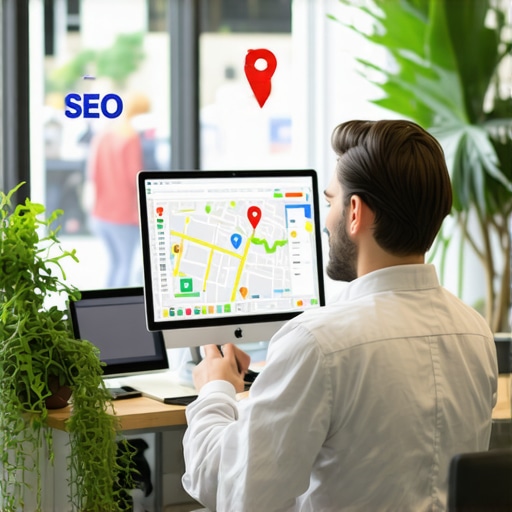
28, Nov 2025
GMB Citation Building & SEO Hacks to Boost Google Maps Rankings in 2025
My Journey into Google My Business and Local SEO
I’ll admit it—I was once overwhelmed by the sheer complexity of optimizing my local business online. I remember spending hours trying to figure out why my Google Maps ranking was stuck on the second page. It was only after diving into GMB citation building and SEO hacks that I started seeing real results. Today, I want to share some of those insights that transformed my approach and could help you too.
Why Building Citations Changed My Local SEO Game
When I first learned about GMB citations, I didn’t realize how crucial they were. Essentially, citations are mentions of your business name, address, and phone number (NAP) across the web. I began manually submitting my business info to top directories, but that was tedious. Then I discovered that leveraging top citation building tips could significantly boost my local search visibility. Consistency was key—making sure my NAP info matched everywhere helped Google trust my listings more.
How I Optimized My Google My Business Profile
Optimizing my GMB profile was another game-changer. I made sure to fill out every detail—business categories, hours, service areas—and uploaded high-quality photos. Interestingly, I found that regular posting and responding to reviews improved my rankings. Google values active, engaged profiles. I also used effective optimization services to streamline the process. It was like giving my profile a professional boost without the headache.
Could Reviews Really Impact My Local Rankings?
Absolutely. I noticed that soliciting genuine reviews from happy customers helped improve my visibility. But it wasn’t just about quantity—quality mattered too. I learned that managing reviews effectively, including responding promptly, was essential. For more tips, I checked out review management strategies that helped me turn reviews into a powerful SEO tool. That personal touch resonated with both Google and potential clients.
What’s Next? Staying Ahead in 2025
As I look ahead, I see that combining citation building, profile optimization, and review management is still the best way to rank higher in Google Maps. The SEO landscape is always evolving, but these core strategies hold strong. I recommend exploring comprehensive packages like GMB SEO hacks packages to stay competitive.
How Can I Keep Improving My Local Rankings Consistently?
Continuous effort is key. Regularly updating your profile, adding new photos, fresh reviews, and staying active on your GMB page can maintain and boost rankings over time. Remember, Google favors active businesses that engage with their community online. For more detailed strategies, I recommend reading authoritative sources like Moz’s Google My Business SEO guide.
If you’ve tried some of these tactics or have your own tips, I’d love to hear your experiences. Drop a comment below and share your journey to the top of Google Maps!
Unlocking the Power of Local SEO: Expert Insights for 2025
In my ongoing journey to master Google My Business (GMB) optimization, I’ve discovered that staying ahead requires a nuanced understanding of evolving algorithms and user behavior. While foundational tactics like citation building and review management remain vital, integrating these with cutting-edge strategies can propel your local rankings to new heights. For instance, leveraging GMB SEO hacks for 2025 involves not just consistency but also precision in NAP data and enriched profile content.
Why Content and Engagement Matter More Than Ever
Google’s algorithm updates increasingly favor active and engaging business profiles. Regularly updating your GMB profile with new photos, posts, and service descriptions signals to Google that your business is vibrant and trustworthy. Moreover, engaging with customer reviews—responding promptly and thoughtfully—enhances your credibility and encourages more reviews, creating a positive feedback loop that boosts your visibility. For practical implementation, consider scheduling weekly updates and review responses, employing tools like review management tools to streamline the process.
How Can Local Link Building Amplify Your Rankings?
Beyond citations and reviews, local link building is a powerful but often overlooked strategy. Establishing partnerships with local organizations, sponsoring community events, or participating in local directories can generate valuable backlinks that signal authority to Google. When these links are consistent and relevant, they reinforce your business’s prominence in the local ecosystem. To maximize this, I recommend exploring citation building combined with local link strategies for a comprehensive approach.
What Are the Hidden Factors That Could Impact My Google Maps Rankings in 2025?
One often underestimated factor is the quality of your business’s online engagement beyond GMB. Social media activity, local press coverage, and community involvement can indirectly influence your local search presence. Additionally, Google is increasingly integrating AI-driven signals, meaning that user intent and engagement metrics are becoming more critical. Staying informed through authoritative sources like Moz’s Google My Business SEO guide can help you adapt your strategy proactively.
If you’re interested in more advanced tactics, I suggest exploring GMB citation and review strategies that are proven to accelerate your rankings. Sharing your experiences or asking questions in the comments can also help build a community of local SEO enthusiasts aiming for the top.
Deepening Your Local SEO Mastery: Beyond the Basics
As I continued my journey into Google My Business optimization, I realized that many small business owners overlook the nuanced factors that influence rankings. For instance, Google increasingly values user engagement metrics—not just reviews and citations but also how users interact with your profile, such as click-through rates and session duration. Incorporating advanced tracking tools like Google Analytics and Search Console can reveal these hidden signals, enabling a more data-driven approach to refining your strategy.
The Power of Hyper-Local Content and Community Integration
One of the most rewarding aspects of local SEO is the opportunity to build authentic community trust. I learned that creating hyper-local content—blog posts about local events, partnerships, or customer success stories—can significantly enhance your profile’s relevance. This content, combined with active participation in community initiatives, signals to Google that your business is a vital part of the local fabric. When I started sharing local stories on my website and linking back to my GMB profile, I noticed a tangible boost in engagement and rankings.
How Can Advanced Link Strategies Accelerate Your Growth?
While citations and reviews are fundamental, local link building remains a potent but often underutilized tactic. For example, collaborating with local influencers, sponsoring niche-specific events, or contributing guest posts to community blogs can generate authoritative backlinks. These backlinks act as endorsements in Google’s eyes, reinforcing your business’s prominence within the local ecosystem. I recommend exploring comprehensive citation and link-building techniques that combine relevance and authority for maximum impact.
Why Voice Search Optimization Could Be a Game-Changer in 2025
Another fascinating trend I’ve observed is the rise of voice search. As smart speakers and mobile voice assistants become ubiquitous, optimizing for voice queries can provide a competitive edge. This involves tailoring your content to answer natural language questions and focusing on local intent phrases. For example, instead of “pizza near me,” it’s more effective to optimize for “Where can I find the best pizza shop nearby?” I’ve experimented with adding FAQs to my website that mirror common voice search queries, resulting in increased visibility for voice-activated searches.
Integrating AI and Automation for Continuous Improvement
To stay ahead, I’ve started leveraging AI-powered tools to automate routine tasks like review monitoring, profile updates, and keyword tracking. These tools provide insights and suggestions that would take hours to gather manually. This automation frees up time for strategic planning and creative content creation. For instance, I use review management software that automatically responds to reviews with personalized messages, maintaining engagement without the constant manual effort. As Google’s algorithms grow more sophisticated, integrating AI into your local SEO workflow becomes not just advantageous but essential.
What’s the Next Step for Your Local SEO Journey?
If you’re eager to elevate your local rankings further, consider exploring advanced GMB SEO tactics and tools. Sharing your experiences or questions can spark valuable discussions. Remember, local SEO is a dynamic field—what works today might evolve tomorrow, so continuous learning and adaptation are key. I encourage you to experiment with these strategies, monitor your results, and stay curious about new trends and technologies that could give you an edge in 2025 and beyond.
Harnessing the Power of Hyper-Local Content for Lasting Impact
One of the most underestimated yet profoundly effective tactics I’ve integrated into my local SEO arsenal is the development of hyper-local content. Creating blog posts that highlight community events, local success stories, or partnerships not only enhances user engagement but also signals to Google that your business is an integral part of the local fabric. This strategy fosters trust and relevance, which are critical for ranking higher in Google Maps. When I started sharing stories about local charity drives or collaborations with neighborhood influencers, I observed a noticeable uptick in profile visits and user interactions. For further depth, exploring how community involvement impacts local SEO can be invaluable, especially when combined with targeted keyword optimization and strategic linking within your website.
Leveraging AI-Driven Insights for Precision Optimization
As the digital landscape evolves, so does the importance of data-driven decision-making. I’ve adopted AI-powered tools like advanced GMB optimization software that analyze engagement metrics, review sentiment, and keyword performance in real-time. These tools provide actionable insights, allowing me to fine-tune my profile and content strategies with surgical precision. For example, AI algorithms can identify emerging local search queries or detect patterns in customer reviews that highlight service gaps. Integrating such insights ensures my approach remains agile and adaptive, maintaining a competitive edge. For a comprehensive understanding of AI in local SEO, authoritative resources like Moz’s recent guides are highly recommended.
What Role Does Voice Search Optimization Play in 2025’s Local SEO Landscape?
Voice search continues to rise in prominence, revolutionizing how consumers find local businesses. Tailoring content to answer natural language questions and optimizing for conversational keywords is now essential. I’ve experimented with adding FAQs that mirror common voice queries, such as “Where’s the best coffee shop near me?” or “Who offers reliable plumbing services in my area?” The results have been promising, with increased visibility in voice search snippets and the Google 3-Pack. As Google’s AI-driven algorithms become more sophisticated, aligning your content with user intent—especially in voice interactions—can significantly accelerate your rankings. For an in-depth strategy, exploring comprehensive voice search optimization techniques is crucial, and I recommend reviewing authoritative SEO blogs regularly.
How Can Community Engagement and Local Link Building Accelerate Your Success?
Beyond citations and reviews, fostering genuine community relationships can lead to impactful backlinks and increased brand authority. Participating in local events, sponsoring charity runs, or contributing guest posts to community blogs creates authoritative backlinks that Google interprets as endorsements. I’ve found that these efforts, when consistently maintained, build a robust local ecosystem that enhances visibility. To maximize these efforts, consider partnering with local influencers or joining niche-specific directories that align with your industry. For detailed tactics, exploring the comprehensive citation and link-building strategies can provide a strategic blueprint for sustained growth.
How Do User Engagement Metrics and AI Signals Intersect in 2025’s Algorithm?
Google’s ongoing algorithm updates increasingly prioritize user engagement signals—such as click-through rates, session duration, and interaction rates—over traditional ranking factors. I’ve integrated tools like Google Analytics and Search Console to track these metrics meticulously. Additionally, AI algorithms analyze patterns across user interactions, helping me identify which aspects of my profile or content need refinement. For example, a sudden drop in click-through rates might indicate that my business description needs more compelling calls to action or localized keywords. Staying attuned to these signals and leveraging AI insights allows me to adapt proactively, ensuring my rankings remain resilient amidst algorithmic shifts. For those interested, diving into Google’s official blogs and expert analyses can deepen your understanding of these complex dynamics.
Embracing these sophisticated strategies has transformed my local SEO approach from reactive to proactive, and I invite you to experiment with these insights. Share your experiences or ask questions—building a community of informed local SEO practitioners is vital for sustained success. If you’re ready to elevate your Google My Business rankings in 2025, exploring comprehensive packages like GMB SEO hacks packages can provide tailored solutions for your unique needs. Remember, continuous learning and adaptation are your best tools in this ever-evolving landscape. Let’s keep pushing the boundaries of what’s possible in local SEO together!
Things I Wish I Knew Earlier (or You Might Find Surprising)
The Power of Consistency
One of the most unexpected lessons I learned was how vital consistency is in citations and reviews. At first, I thought occasional updates would do the trick, but I discovered that Google rewards businesses that stay active and uniform across all platforms. This realization made me rethink my entire approach, emphasizing regular check-ins and updates to my GMB profile.
Engagement Over Quantity
Initially, I believed that a high volume of reviews would instantly boost my rankings. However, I found that engaging meaningfully with reviews and responding promptly had a far greater impact. Personal responses foster trust and show Google that your business genuinely cares about its customers.
Hyper-Local Content Matters More Than Ever
Creating hyper-local content, like blog posts about community events or local success stories, unexpectedly drew more attention than generic marketing. This content helped build authentic connections and boosted my local relevance, making my profile more trustworthy in Google’s eyes.
Local Link Building Is Still Underutilized
While citations are common, I underestimated the power of local backlinks. Partnering with local organizations or sponsoring events created valuable backlinks that significantly improved my local search visibility. This strategy opened new doors for community engagement and SEO growth.
Voice Search Optimization Is the Future
Optimizing for voice search was a game-changer. I started tailoring my content for natural language queries, which increased my visibility in voice-powered searches. This shift was subtle but impactful, especially as voice assistants become more prevalent.
Resources I’ve Come to Trust Over Time
Moz’s Google My Business SEO Guide
Moz’s comprehensive guide has been a cornerstone in my understanding of local SEO. It offers practical insights and keeps me updated on the latest algorithm changes, making it a must-read for anyone serious about local search.
Google’s Official Business Blog
This is the primary source of official updates and features directly from Google. Following it keeps me ahead of the curve and ensures my strategies align with the latest platform changes.
Backlinko’s SEO Strategies
Brian Dean’s insights on SEO and link building are invaluable. His methods helped me develop effective local backlink strategies that are both ethical and powerful.
Neil Patel’s Digital Marketing Blog
Neil Patel’s blog offers accessible and actionable tips on all aspects of digital marketing, including local SEO and review management, which I’ve found incredibly helpful for continuous learning.
Parting Thoughts from My Perspective
Looking back, mastering Google My Business and local SEO in 2025 felt like unlocking a secret code. The key takeaway is that a holistic approach—combining citation consistency, active engagement, local content, and strategic link building—is essential. No single tactic is enough; it’s the synergy of these strategies that truly elevates your local presence. If you’re serious about ranking higher, I encourage you to stay curious, experiment with new tactics, and keep an eye on evolving trends like voice search and AI integration. Remember, the landscape is always shifting, but with perseverance and the right resources, success is within reach. If this resonated with you, I’d love to hear your thoughts—share your experiences or ask questions in the comments. Let’s grow together in this ever-changing local SEO world!

27, Nov 2025
Google Business Profile Optimization Service to Improve Local GMB Rankings in 2025
My First Encounter with Google Business Profile Optimization
Last year, I found myself struggling to get my small business noticed in my local area. Despite having a decent website, my Google Maps listing was buried in the results. Frustration led me to explore Google Business Profile Optimization, and honestly, it was a game-changer. I decided to dive deep into this service to understand how it could elevate my local search rankings.
Discovering the Power of Local SEO Strategies
As I started implementing optimization techniques, I realized that the Google Business Profile Optimization Service offered more than just claiming my listing. It involved comprehensive strategies like enhancing my NAP citations, managing reviews effectively, and optimizing my profile for relevant keywords. These tactics, backed by insights from authoritative sources such as Moz’s Local SEO Guide, helped me understand the nuances of local SEO.
What Are the Key Elements for 2025 Success?
In my experience, staying ahead in local rankings requires a multifaceted approach. I focused on consistent citation building, review management, and content optimization. The proven GMB citation building strategies played a crucial role in my rapid ascent to the local 3-pack. Additionally, I learned that leveraging click-through rate optimization through engaging posts significantly impacted my rankings.
How Can GMB Optimization Boost Your Local Visibility?
From my journey, I can confidently say that optimized Google My Business profiles boost visibility and attract more local customers. This is especially true when combined with effective review management and localized keywords. I also discovered that regularly updating my profile with fresh photos and posts kept my listing active and engaging.
Why Is Consistency the Secret Sauce in GMB Optimization?
Consistency in citations, reviews, and profile updates creates a trustworthy signal for Google. It shows that your business is active and reliable, which can be the difference in competitive local markets. To stay consistent, I used tools that automate review responses and citation updates, ensuring I never fall behind.
If you’re curious about these strategies, I recommend exploring detailed guides like effective GMB optimization software tips.
Now, I invite you to share your experiences with Google Business Profile Optimization or ask questions—I’m here to help! Remember, in 2025, mastering local SEO is more vital than ever to stand out in your community.
Unlocking Advanced GMB Strategies for 2025
Building on foundational optimization techniques, savvy local SEO experts now focus on granular details like schema markup integration and voice search optimization. These elements, often overlooked, can significantly influence your appearance in local search results. Implementing schema on your website ensures Google understands your business details more precisely, boosting your chances of appearing in rich snippets and knowledge panels. Similarly, optimizing for voice search involves using natural language and question-based keywords, aligning your content with how users verbally inquire about services.
Integrating Customer Engagement for Lasting Impact
Beyond technical tweaks, fostering genuine customer engagement is vital. Encourage satisfied clients to leave detailed reviews, which serve as social proof and enhance your profile’s credibility. Responding promptly and professionally to reviews, especially negative ones, demonstrates active reputation management—an aspect increasingly valued by Google. Additionally, leveraging review management tools to automate and monitor feedback ensures consistency and efficiency in this process.
Can Local SEO Keep Up with Evolving Consumer Behaviors?
As consumer behaviors rapidly shift towards mobile and voice interactions, local SEO strategies must adapt dynamically. Mobile-first indexing emphasizes the importance of a responsive, fast-loading website aligned with your GMB profile. Moreover, integrating hyperlocal keywords and creating content tailored to community interests can position your business as a neighborhood staple. For instance, including neighborhood-specific phrases and participating in local events can generate valuable backlinks and citations, further strengthening your local presence.
What Are the Most Overlooked GMB Optimization Opportunities in 2025?
Many businesses underestimate the power of profile Q&A sections and personalized messaging. Regularly updating the Q&A with relevant, helpful answers positions your profile as a go-to resource. Additionally, enabling messaging features allows direct communication with potential customers, offering personalized support that can convert inquiries into sales. These features, when used strategically, can set your profile apart in a crowded local landscape.
For a comprehensive approach, exploring expert-approved tactics like GMB SEO hacks can provide actionable insights. Remember, consistent optimization combined with innovative engagement techniques creates a resilient local search presence that endures through changing algorithms and consumer trends.
If you found these insights valuable, share your experiences or challenges in optimizing your Google Business Profile below. Want more practical tips? Check out our detailed guides on review management and click-through rate optimization to elevate your local rankings today!
Delving into the Nuances of Local SEO Mastery
As I immersed myself deeper into the world of Google Business Profile Optimization, I quickly realized that the landscape is continually evolving, demanding a nuanced understanding of subtle ranking factors. It’s not just about adding keywords or maintaining reviews anymore — it’s about crafting a holistic profile that resonates with both Google’s algorithms and the local community. For instance, integrating schema markup has become a game-changer, allowing Google to interpret your business details with greater precision, thereby increasing the chances of appearing in rich snippets or knowledge panels. This realization prompted me to explore how these technical elements interplay with customer engagement to create an unassailable local presence.
Harnessing the Power of Voice Search and Hyperlocal Content
One of the most fascinating shifts I encountered was the rise of voice search, which necessitated a shift in content strategy. Instead of traditional keyword stuffing, I began optimizing for conversational phrases and question-based queries. This approach aligned with insights from authoritative sources like Moz, emphasizing how natural language processing is reshaping local SEO. For example, I started incorporating neighborhood-specific phrases and community-centric stories into my content, which not only improved my rankings but also fostered genuine connections with my audience. This process of aligning content with local vernacular proved surprisingly effective and underscored the importance of understanding evolving consumer behaviors.
What Makes Personal Engagement a Critical Differentiator?
Beyond technical optimization, I found that fostering authentic customer engagement is essential for long-term success. Encouraging satisfied clients to leave detailed reviews, responding thoughtfully to negative feedback, and actively participating in local conversations can elevate your profile’s credibility. I experimented with automated review responses using review management tools, which saved time and ensured consistency. Yet, I always made a point to personalize my responses, showing genuine appreciation or concern. This balance between automation and authenticity helped build a resilient reputation that Google values highly, fostering trust among potential customers and improving rankings.
Are There Overlooked Opportunities in GMB Profiles?
Absolutely. I overlooked the importance of the Profile Q&A section initially—assuming it was just a minor feature. However, regularly updating this section with relevant, helpful answers has proven to be a strategic move. It positions your profile as a reliable resource, which can influence local rankings favorably. Additionally, enabling messaging features allows direct, personalized communication with prospects, converting inquiries into sales. These features, often underestimated, can be leveraged to create a competitive edge—especially when combined with local SEO tactics like citation building and review management.
Engaging with the Local Community for Sustainable Growth
One lesson I’ve learned is that integrating your business into the local community creates lasting visibility. Participating in local events, sponsoring community initiatives, or creating content around neighborhood interests can generate backlinks and citations, reinforcing your presence in local search results. This hyperlocal focus aligns with the broader trend towards mobile-first indexing, emphasizing the importance of responsive websites and community relevance. By fostering genuine community engagement, your business becomes a neighborhood staple, which not only improves rankings but also builds trust and loyalty among local customers.
How Can Small Businesses Balance Technical SEO with Personal Touch?
Striking this balance is indeed challenging, but it’s crucial for sustained success. I recommend dedicating time to technical elements like schema markup and citation consistency, while also investing in personalized interactions—whether through review responses, community participation, or tailored content. Combining these approaches creates a comprehensive strategy that adapts to algorithm changes and consumer expectations alike. For further insights, exploring GMB SEO marketing tips can provide valuable guidance for small business owners aiming to stay ahead in 2025. I’d love to hear about your experiences or challenges—feel free to share your stories or ask questions below, and let’s continue this journey of local SEO mastery together.
Leveraging Schema Markup for Precision Targeting in Local SEO
Advanced GMB optimization now hinges on the strategic implementation of schema markup. This technical layer allows search engines to interpret your business details with greater accuracy, significantly enhancing your chances of appearing in rich snippets and knowledge panels. Schema not only improves visibility but also establishes your profile as a trusted local authority, especially when integrated seamlessly with your website’s structured data.
Harnessing Voice Search for Hyperlocal Content Domination
As voice search adoption accelerates, optimizing for natural language questions related to your niche becomes critical. Incorporating conversational, neighborhood-centric queries into your content strategy aligns with insights from Moz’s latest guides. This approach transforms your profile into a go-to resource for voice-activated inquiries, capturing a wider share of local search traffic and positioning your business as the community’s trusted voice.
How Can You Integrate Customer Engagement to Build Long-Term Trust?
Authentic engagement extends beyond reviews—it encompasses personalized responses, community participation, and proactive communication. Using review management tools enables automation of basic responses, freeing your time for meaningful interactions. Responding thoughtfully to negative feedback demonstrates accountability and fosters loyalty, which Google increasingly rewards in local rankings.

What Overlooked Optimization Opportunities Are Shaping the Future?
Many businesses underestimate the power of the Profile Q&A section. Regularly updating it with relevant, helpful answers can position your profile as a local resource, influencing rankings positively. Additionally, enabling messaging features facilitates direct, personalized communication—converting inquiries into loyal customers. These features, when strategically used, create a competitive advantage in a crowded local landscape.
Deepening Community Integration for Sustainable Growth
Participation in local events, sponsorships, and neighborhood-centric content creation enhances backlinks and citations, reinforcing your local authority. This hyperlocal approach aligns with the mobile-first indexing trend, emphasizing the importance of responsive websites and local relevance. Building genuine community ties not only improves rankings but also cultivates trust and brand loyalty among your audience.
How Can Small Businesses Balance Technical SEO with Authentic Engagement?
Balancing these elements involves dedicating time to technical prowess—like schema implementation and citation consistency—while fostering authentic relationships through community involvement and personalized content. This holistic strategy ensures resilience against algorithm shifts and evolving consumer behaviors. For more insights, explore GMB SEO marketing tips. Share your experiences or questions below—let’s continue mastering local SEO together!
Things I Wish I Knew Earlier (or You Might Find Surprising)
1. The Power of Profile Q&A
Initially, I underestimated the impact of the Profile Q&A section. Once I started regularly updating it with relevant questions, I noticed a significant boost in my local search visibility. It’s like creating a mini FAQ that Google and potential customers love.
2. Consistency Is More Than Just a Buzzword
Staying consistent with citations, reviews, and profile updates creates a signal of trustworthiness to Google. I found that automating review responses and citation management saved me time while keeping my profile lively and credible.
3. Voice Search Is Reshaping Local SEO
Adapting my content for voice searches, using natural language and neighborhood-specific phrases, made a noticeable difference. It’s exciting to see how conversational queries are becoming the norm in local searches.
4. The Hidden Power of Schema Markup
Implementing schema markup on my website helped Google interpret my business details more precisely, leading to appearances in rich snippets and knowledge panels. This technical tweak paid off more than I initially expected.
5. Engaging Your Local Community Matters
Participating in local events or creating neighborhood-centric content strengthened my backlinks and citations. It’s about embedding your business into the fabric of the community for long-term growth.
6. Personal Engagement Builds Trust
Responding thoughtfully to reviews and engaging with customers personally fostered loyalty and trust. Using review management tools made this process easier without sacrificing authenticity.
Resources I’ve Come to Trust Over Time
- Moz’s Local SEO Guide – An authoritative resource that deepened my understanding of local SEO nuances and voice search strategies.
- Google’s Official Business Profile Help Center – Essential for the latest updates and official best practices directly from Google.
- Schema.org – The go-to source for understanding how to implement schema markup effectively.
Parting Thoughts from My Perspective
Mastering Google Business Profile Optimization for 2025 is about blending technical precision with genuine community engagement. I’ve seen firsthand how small tweaks—like updating Q&A, leveraging schema, and nurturing reviews—can elevate your local visibility significantly. Remember, it’s not just about ranking higher but building trust and relevance within your neighborhood. If this resonated with you, I’d love to hear your thoughts. Sharing your experiences or questions can help us all grow in this ever-evolving landscape of local SEO.