



9, Nov 2025
Effective GMB Review Management & Citation Building for Local SEO Success in 2025
Discovering the Power of GMB Review Management: My Personal Experience
As a small business owner, I vividly remember the first time I realized how crucial Google My Business (GMB) reviews are for local SEO. It was a turning point that transformed my approach to online reputation management. I started actively engaging with customer reviews, responding promptly, and encouraging satisfied clients to share their experiences. This hands-on practice taught me that managing reviews effectively can significantly boost local rankings and customer trust.
How Citation Building Became My Secret Weapon
Initially, I underestimated the impact of citations—mentions of my business name, address, and phone number across various online directories. However, once I started focusing on consistent and accurate citation building, I noticed a remarkable improvement in my local search visibility. Tools like effective GMB citation building became part of my strategy, helping me establish authority and trustworthiness in Google’s eyes.
What Are the Latest Strategies for 2025?
Staying ahead in local SEO requires continuous learning. I found that leveraging top GMB SEO hacks of 2025 and optimizing my profile with the latest tactics helped me rank higher in the coveted Google Maps 3-pack. The combination of review management and citation consistency creates a powerful synergy that elevates my business above competitors.
How can I ensure my reviews and citations stay effective over time?
This is a question I often ask myself. Regularly monitoring reviews, updating citations, and adapting to algorithm changes are essential. For instance, I read that Google prioritizes recent reviews and accurate NAP (Name, Address, Phone) information, so I make it a habit to keep my profiles fresh and consistent. Consulting authoritative sources like Google Maps ranking strategies helps me stay informed about the latest best practices.
If you’re serious about dominating local SEO in 2025, I recommend sharing your experiences or asking questions below. Engaging with a community of like-minded entrepreneurs can provide new insights and motivation to refine your strategy.
Why Consistency in Review and Citation Management is Your Long-Term Asset
As an SEO expert, I can attest that maintaining a steady stream of fresh reviews and accurate citations is not just a short-term tactic—it’s a vital long-term strategy that sustains your local search dominance. Google’s algorithm continually evolves, but consistent review engagement and citation updates help your business stay relevant and trustworthy in the eyes of both search engines and potential customers.
How to Develop a Sustainable Review and Citation Routine
Creating a routine involves regular monitoring of reviews—responding to both positive and negative feedback promptly—and ensuring your business information remains consistent across all directories. Implementing automated tools can streamline this process, but it’s equally important to personalize responses to foster genuine customer trust. For citations, periodic audits to correct outdated or incorrect NAP details are crucial, especially as your business grows or relocates.
What Are the Nuanced Factors That Impact Long-Term Local SEO Success?
Beyond reviews and citations, factors such as user engagement metrics—click-through rates, call clicks, and direction requests—play a significant role. These signals indicate to Google that your listing remains relevant and valuable. Additionally, leveraging proven GMB SEO tactics like image optimization, keyword-rich descriptions, and strategic service categories can sustain your visibility over time. Remember, local SEO is a marathon, not a sprint; building a robust profile foundation ensures your business continues to rank well even as algorithms shift.
How Do Changes in Local Algorithms Affect Your Long-Term Strategy?
Google’s local algorithms are dynamic, with periodic updates that can either favor or challenge existing rankings. Staying informed through authoritative sources like Google Maps ranking strategies helps you adapt swiftly. For instance, recent updates emphasize the importance of local relevance, review velocity, and multimedia content. Incorporating these elements into your ongoing strategy ensures resilience against algorithmic fluctuations.
Are there innovative approaches to future-proof your local SEO efforts?
Absolutely. Embracing emerging technologies such as AI-driven review sentiment analysis or voice search optimization can give you a competitive edge. Additionally, fostering community engagement through local events or partnerships enhances your business’s reputation and visibility organically. The key is to blend traditional tactics with innovative practices, creating a comprehensive, adaptable plan that thrives in the evolving digital landscape.
If you’re eager to deepen your understanding, I encourage you to explore detailed guides on GMB profile optimization and stay connected with the latest trends. Sharing your experiences or asking questions below can also spark valuable insights within our community of local SEO enthusiasts.
Embracing the Nuanced Layers of Local SEO: My Personal Journey
Over the years, I’ve come to realize that local SEO isn’t just about ticking boxes or following the latest trends—it’s a complex, ever-evolving craft that demands a deep understanding of both technical and human elements. When I first started focusing on reviews and citations, I underestimated how nuanced and fragile these signals could be. Now, I see them as living entities that require ongoing care and strategic adaptation.
The Subtle Art of Review Sentiment and Context
One fascinating insight I’ve gained is that not all reviews are created equal. While volume matters, the sentiment and context behind reviews can significantly influence your rankings and reputation. For instance, a review highlighting exceptional customer service can resonate more positively with Google’s algorithms than a generic five-star rating. To harness this, I began encouraging customers to share detailed feedback, emphasizing their unique experiences, which subtly shifted my profile’s overall sentiment profile. For further insights on review sentiment analysis, exploring GMB marketing strategies proved invaluable.
How Do I Sustain Citation Quality Amid Growth?
As my business expanded, maintaining citation consistency became increasingly challenging. I learned that a comprehensive approach involves regular audits, leveraging authoritative citation management tools, and fostering relationships with local directories and industry-specific platforms. One lesson I wish I had mastered earlier is the importance of semantic consistency—ensuring that my NAP details are not just identical but contextually reinforced across platforms. For a deeper dive into citation management, I recommend reviewing effective citation building techniques. This layered approach helps Google understand the authenticity and reliability of your business information.
Integrating Multimedia and User Engagement for Future Resilience
Looking ahead, I believe the future of local SEO hinges on multimedia content and user engagement metrics. Incorporating high-quality images, videos, and even virtual tours into your GMB profile can dramatically enhance your relevance and attractiveness. I recall experimenting with 360-degree photos and behind-the-scenes videos, which not only enriched my profile but also increased user interaction signals like click-through and call clicks. These signals act as powerful trust indicators for Google, especially as algorithms become more sophisticated. To stay ahead, I continuously explore advanced GMB SEO tactics that incorporate multimedia and engagement strategies.
What Are the Risks of Over-Optimization, and How Do I Avoid Them?
This is a question I often ponder. Over-optimization, such as keyword stuffing or excessive review solicitation, can backfire, leading to penalties or diminished trust. My approach has always been to prioritize authentic, value-driven interactions—responding genuinely to reviews, providing helpful information, and avoiding manipulative tactics. Staying informed through authoritative sources like Google Maps ranking strategies helps me fine-tune my tactics and avoid pitfalls. Remember, sustainable success in local SEO depends on maintaining trust and relevance rather than quick wins.
I’d love to hear your experiences and insights. How have you navigated the delicate balance of optimizing for Google and maintaining authentic customer relationships? Feel free to share your stories or ask questions below—engaging with a community of dedicated entrepreneurs can reveal new strategies and perspectives that keep us all evolving.
Refining My Approach to Review Sentiment Analysis and Contextual Optimization
Over the years, I’ve discovered that understanding the sentiment behind reviews isn’t merely about counting stars but delving into the emotional and contextual nuances that influence local search rankings. By adopting advanced sentiment analysis tools—like sentiment classifiers integrated with natural language processing—I can better gauge customer perceptions and tailor my responses accordingly. This approach allows me to encourage reviews that highlight specific aspects of my service, creating a rich tapestry of positive sentiment that resonates with Google’s evolving algorithms.
How Do I Sustain Citation Integrity Amid Dynamic Local Markets?
Maintaining citation integrity is increasingly complex as markets evolve and new directories emerge. I leverage sophisticated citation management platforms that automate audits and sync my NAP data across authoritative sources, ensuring consistency. Additionally, I actively cultivate relationships with niche industry-specific directories, which serve as trustworthy signals to Google. Regular updates and semantic consistency—where my citations reinforce my core brand attributes—are vital to preserving my local prominence and avoiding the pitfalls of outdated or conflicting information.
What Are the Emerging Technologies That Will Future-Proof My Local SEO Efforts?
To stay ahead, I integrate cutting-edge technologies such as AI-driven review sentiment analysis, voice search optimization, and augmented reality (AR) virtual tours. AI tools can analyze review patterns to predict customer needs and adjust strategies proactively, while voice search optimization ensures my business remains accessible as voice queries become dominant. Incorporating AR—like virtual storefronts or immersive reviews—enhances user engagement and signals relevance to Google’s multimedia ranking factors. Staying updated with industry reports and authoritative sources like GMB optimization software developments keeps my tactics aligned with future trends.
How Can I Leverage Multimedia Content to Build Resilient Local Profiles?
Multimedia content—images, videos, virtual tours—has become a cornerstone of resilient local profiles. By consistently updating my Google My Business profile with high-quality visuals and engaging videos, I generate more user interaction signals, such as click-through rates and call clicks, which Google interprets as relevance and authority. I also experiment with 360-degree virtual tours that provide immersive experiences, fostering trust and increasing dwell time. These strategies not only enhance my profile’s appeal but also serve as robust signals against algorithm fluctuations, ensuring sustained visibility. For detailed insights on multimedia optimization, exploring GMB profile optimization has been invaluable.
What Are Practical Steps to Balance Optimization and Authenticity?
Striking the right balance involves prioritizing genuine customer interactions over manipulative tactics. I ensure my review solicitation processes are transparent and non-coercive, encouraging honest feedback that reflects real experiences. Responses to reviews are personalized and empathetic, reinforcing trust. On the citation front, I avoid keyword stuffing and focus on semantic relevance, aligning my content with community and industry language. Regularly reviewing Google’s guidelines—such as those detailed in GMB SEO best practices— helps me stay compliant and sustainable in my efforts.
Engaging with a community of local SEO professionals and sharing case studies has enriched my perspective. I invite you to share your experiences or ask questions about these advanced strategies—collective insights can unlock new avenues for growth and resilience in our competitive landscapes.
Things I Wish I Knew Earlier (or You Might Find Surprising)
1. The Power of Authentic Engagement
Early on, I underestimated how vital genuine interactions with customers are. Responding sincerely to reviews and engaging with the community built trust and boosted my rankings more than any keyword tweak.
2. Consistency Beats Quick Wins
I’ve learned that maintaining a steady flow of reviews and regularly updating citations creates a more resilient presence than sporadic efforts. It’s about building long-term credibility, not just chasing instant results.
3. The Nuance of Review Sentiment
Not all reviews carry equal weight. Encouraging detailed, positive stories from satisfied customers helped shape a more favorable sentiment profile, which Google favors heavily.
4. Multimedia Is a Game-Changer
Adding high-quality images and videos to my profile dramatically increased engagement signals like click-throughs and calls, which in turn improved my local rankings significantly.
5. Beware of Over-Optimization
I discovered that pushing too hard—like keyword stuffing or aggressive review solicitation—can backfire. Authenticity and trust remain the backbone of sustainable local SEO success.
Resources I’ve Come to Trust Over Time
- Google’s Official Guidelines: Google’s own documentation has been my go-to for staying compliant and understanding algorithm updates firsthand.
- GMB4You Blog: Their insights on citation strategies and review management are practical and backed by experience, making them invaluable resources.
- Moz Local Search Blog: A treasure trove of detailed, well-researched articles on local SEO trends and best practices.
- BrightLocal Blog: Their case studies and reports have helped me understand what strategies truly move the needle.
Parting Thoughts from My Perspective
From my journey, I can confidently say that long-term success in local SEO hinges on consistency, authenticity, and a willingness to adapt. Managing reviews and citations with care, leveraging multimedia, and staying informed through trusted resources are the cornerstones of a resilient local profile. If you’re serious about growing your local presence, embrace these lessons, and remember that patience and genuine engagement will serve you best. If this resonated with you, I’d love to hear your thoughts. Feel free to share your experiences or ask questions below—our community’s insights can help everyone thrive in this dynamic landscape.
- 2
- By Sarah Patel


24, Oct 2025
Effective GMB Review Management Tips to Boost Local Search Visibility Today
My Journey into Effective GMB Review Management
When I first started managing my local business’s Google My Business (GMB) profile, I quickly realized that reviews are the lifeblood of local SEO. I remember receiving a handful of negative reviews early on, and it felt overwhelming. That experience taught me the importance of a strategic approach to review management, which can significantly boost your visibility in local search results.
Why Reviews Matter More Than Ever in 2024
Google’s algorithms are increasingly prioritizing authentic customer feedback. According to Search Engine Land, reviews are a key ranking factor. I’ve found that regularly managing reviews not only improves my business’s reputation but also helps in climbing the local search rankings faster. Engaging with reviews, both positive and negative, is a vital part of this process.
How I Keep My GMB Reviews Healthy and Helpful
One tactic I swear by is responding promptly to reviews. When a customer leaves a positive review, I make sure to thank them sincerely. For negative reviews, I respond professionally and try to resolve issues privately. This transparency builds trust and encourages more customers to share their experiences. I also use review management tools that streamline the process, making it easier to stay on top of feedback.
Can Review Management Really Accelerate Local Rankings?
Absolutely! I’ve seen firsthand how consistent review management can improve local rankings. For example, by leveraging review management tips from industry experts, I managed to increase my GMB profile’s visibility within just a few weeks. Reviews are not just social proof—they’re a practical tool for SEO when managed correctly.
What Are the Best Tools to Keep Review Management Simple?
Over time, I experimented with several tools, but I found that platforms like review management tools can save hours and help maintain a consistent review flow. These tools notify me of new reviews, allow quick responses, and even generate reports to track my progress.
How Can I Encourage More Customers to Leave Reviews?
Asking for reviews in a natural, friendly way works wonders. I often send follow-up emails or include a review request on receipts. It’s crucial to make the process easy—direct links to your GMB review form can make all the difference. Remember, genuine reviews come from happy customers who feel valued.
If you’re serious about boosting your local search presence, embracing effective review management isn’t optional anymore. It’s a proven strategy that can elevate your business above competitors. Feel free to share your own review management successes or challenges in the comments—I’d love to hear your story!
Strategic Review Solicitation: How to Cultivate Genuine Customer Feedback
One of the most effective ways to amplify your review profile is by implementing targeted review solicitation techniques. Rather than generic requests, tailor your approach based on customer interactions. For instance, after a successful service appointment or product purchase, send a personalized follow-up email or SMS with a direct link to your GMB review form. This strategy not only increases review volume but also enhances review quality, as satisfied customers are more likely to share detailed feedback. To streamline this process, consider using review management tools like review management tools that automate review requests and monitor feedback trends.
Leveraging Negative Reviews for Business Growth and SEO
While it may seem counterintuitive, negative reviews can be turned into opportunities for growth if managed properly. Responding professionally to negative feedback demonstrates transparency and a commitment to customer satisfaction. Moreover, addressing issues publicly can mitigate damage and even convert dissatisfied customers into loyal advocates. From an SEO perspective, active engagement with negative reviews signals to Google that your business is attentive and customer-centric, which can positively influence local rankings. For detailed strategies, explore review management tips from industry experts to learn how to harness negative feedback effectively.
Integrating Review Data into Your Local SEO Strategy
Beyond gathering reviews, analyzing review data offers valuable insights into customer sentiment and service gaps. Use sentiment analysis tools to identify common themes in reviews and adjust your local SEO efforts accordingly. For example, if multiple reviews mention slow service times, optimize your Google My Business profile by highlighting quick turnaround or offering special promotions. Additionally, showcase your top reviews on your website and social media channels to build trust and encourage more feedback. Remember, consistent review analysis and responsive engagement can significantly boost your local search visibility.
Can Your Review Management Tactics Surpass Competitors?
Absolutely. With a nuanced approach—combining personalized review requests, proactive negative review handling, and strategic data analysis—you can outperform competitors who rely on generic review collection. This comprehensive review strategy aligns with Google’s evolving algorithms that favor authentic, engagement-driven content. To stay ahead, continuously refine your review solicitation methods and leverage tools like profile optimization tactics to make your business more appealing to both customers and search engines.
If you’re eager to deepen your understanding or share innovative review strategies, I encourage you to comment below or suggest related topics to explore. Sharing insights helps elevate the entire local SEO community.
Is Your Review Strategy Keeping Pace with Google’s Evolving Algorithms?
Reflecting on my journey, I realize that staying ahead in review management requires more than just responding to feedback. It demands a nuanced understanding of how Google’s algorithms interpret reviews, especially as they become more sophisticated in 2024. For instance, Google now emphasizes review authenticity and diversity, rewarding businesses that showcase genuine customer interactions over superficial review counts. To adapt, I started analyzing review patterns using sentiment analysis tools, which helped me identify recurring themes and address underlying issues proactively. This approach not only improved my reputation but also signaled to Google that my business is attentive and trustworthy.
How Do You Cultivate a Review Culture That Drives SEO and Customer Loyalty?
Building a consistent review culture is akin to nurturing a relationship. I found that personalizing review requests—tailoring messages based on customer interactions—significantly boosts response rates. For example, after a positive service experience, I send a personalized follow-up thanking the customer and gently encouraging them to share their feedback. Leveraging automation tools like review management platforms streamlines this process, ensuring no opportunity slips through the cracks. But more than tools, fostering genuine engagement and showing appreciation creates a loyal community that actively contributes to your local SEO efforts.
What Are the Hidden Challenges in Managing Negative Reviews Effectively?
Negative reviews, while daunting, are an opportunity for growth if managed thoughtfully. One challenge I encountered was distinguishing between legitimate concerns and malicious posts. To address this, I established clear guidelines for responding, emphasizing professionalism and empathy. Responding publicly with a solution-oriented tone demonstrates transparency, which can convert dissatisfied customers into advocates. Furthermore, I learned that timely responses are crucial; delays can erode trust. From an SEO perspective, active engagement with negative feedback signals to Google that your business is attentive and committed to customer satisfaction, which can positively influence your rankings. For detailed strategies, explore review management tips tailored for handling negative feedback.
How Can Data-Driven Insights Revolutionize Your Review Management Approach?
Analyzing review data isn’t just about tracking star ratings; it’s about uncovering actionable insights. I started using sentiment analysis tools to identify common pain points and service gaps, which informed my local SEO strategies. For example, noticing frequent complaints about slow response times prompted me to optimize my Google My Business profile by highlighting quick service promises and adding relevant keywords. Additionally, showcasing top reviews on my website and social media not only builds trust but encourages more authentic feedback. Integrating review data into your SEO strategy creates a feedback loop—improving your service, boosting reviews, and elevating your local search presence. To get started, check out profile optimization tips that leverage review insights for maximum impact.
Are Your Review Tactics Outperforming Your Competitors?
The competitive landscape is fierce, but with a strategic approach, you can surpass rivals. Combining personalized review requests, prompt negative review handling, and deep data analysis creates a formidable advantage. I’ve seen how these tactics, aligned with Google’s latest ranking factors, propel my business ahead. For example, by actively managing reviews and leveraging profile enhancement techniques, I improved my visibility within weeks. Remember, continuous refinement is key—test new approaches, analyze results, and adapt swiftly. Your commitment to authentic engagement can make your business stand out in local search results. If you’re eager to explore more advanced strategies, I invite you to share your experiences or ask questions in the comments—let’s grow together in mastering local SEO.
Harnessing the Power of Sentiment Analysis to Refine Your Review Strategy
One of the most sophisticated techniques I’ve incorporated into my review management arsenal is sentiment analysis. By leveraging tools like MonkeyLearn or Lexalytics, I can dissect review data to uncover nuanced customer sentiments, enabling me to address specific pain points with precision. This approach not only enhances customer satisfaction but also signals to Google that your business is attentive and responsive, boosting your local rankings. For detailed implementation, exploring profile optimization tactics can provide additional insights on integrating sentiment insights into your SEO efforts.
Implementing AI-Driven Review Response Automation for Scalability
Managing a high volume of reviews manually can be daunting, especially as your business grows. To overcome this, I adopted AI-driven response automation tools such as ChatGPT integrated with review management platforms. These tools help generate personalized, professional responses swiftly, maintaining engagement while freeing up valuable time. The key is customizing responses to reflect genuine empathy and professionalism, which fosters trust and encourages further feedback. For more advanced techniques, consult review management tips tailored for scalable growth.
Optimizing Review Acquisition Through Behavioral Triggers and Personalization
Beyond generic review requests, I found that behavioral triggers—such as post-purchase follow-ups or milestone acknowledgments—significantly increase review volume. Personalizing these requests by referencing specific customer interactions creates a sense of authenticity and appreciation. For instance, sending a tailored follow-up thanking a customer for their recent visit and gently inviting them to share their experience can yield higher response rates. Using sophisticated CRM tools integrated with review platforms streamlines this process, ensuring no opportunity for feedback is missed. To deepen your understanding, exploring Google Maps ranking strategies can provide a broader context for these tactics.
Can Your Review Management Approach Surpass Industry Standards?
Absolutely. By integrating sentiment analysis, AI automation, and behavioral personalization, your review strategy can outpace competitors relying on outdated methods. The cumulative effect of these advanced tactics demonstrates to Google your commitment to customer satisfaction and engagement, which directly influences your local search performance. Regularly analyzing review patterns and adapting your approach accordingly is vital. I encourage you to share your progress or ask questions in the comments, as collaboration accelerates mastery in this complex domain.
Things I Wish I Knew Earlier (or You Might Find Surprising)
The Power of Authenticity
One of the most eye-opening lessons I learned is that genuine, authentic reviews resonate much more with both customers and Google than fake or overly polished feedback. Early on, I tried to encourage reviews that sounded perfect, but I realized that real stories from real customers build trust faster and boost local SEO more effectively.
Negative Reviews Are Not the Enemy
Initially, I dreaded negative reviews, but I discovered they can be valuable learning tools. Responding professionally and addressing issues publicly not only improves your reputation but also signals to Google that your business cares about customer satisfaction. Sometimes, those negative comments lead to positive changes that benefit everyone.
Timing Matters More Than You Think
Prompt review requests right after a customer interaction significantly increase response rates. I used to wait too long, and the response volume suffered. Now, I send personalized follow-ups immediately, making it easier for customers to share their experiences while the interaction is fresh in their minds.
Review Management Is Part of Customer Engagement
Managing reviews isn’t just about quantity; it’s about building relationships. Engaging with customers through their reviews shows that you value their feedback, which encourages more meaningful interactions and loyalty over time. It’s a two-way street that enhances your local SEO efforts.
Quality Over Quantity Wins
While it’s tempting to chase a high number of reviews, I found that a smaller collection of detailed, positive reviews has a greater impact on local rankings and conversions. Encouraging customers to share specific experiences makes reviews more helpful and trustworthy.
Consistency Is Key
Regularly managing and soliciting reviews keeps your profile active and signals stability to Google. I learned that sporadic efforts are less effective than a steady, ongoing review strategy that integrates seamlessly into my customer service process.
Resources I’ve Come to Trust Over Time
Google’s Official Business Help Center
This is the go-to source for understanding Google’s guidelines on reviews and best practices. It’s reliable and constantly updated, making it essential for any local SEO strategy.
BrightLocal Blog
BrightLocal offers insightful articles and case studies on local SEO and review management. I’ve found their tips practical and easy to implement, helping me stay ahead of industry trends.
Moz Local
Moz provides comprehensive SEO advice, including review strategies that align with Google’s algorithms. Their content is well-researched and trustworthy, great for deepening your understanding of local search.
Search Engine Land
This industry news site keeps me informed about the latest algorithm updates and review-related changes. It’s a valuable resource for adapting your tactics.
GMB4You Blog
Specialized in Google My Business insights, GMB4You offers practical tips and tools tailored for local businesses. I recommend it for actionable advice on review and profile optimization.
Parting Thoughts from My Perspective
Reflecting on my journey with effective GMB review management, I realize that authenticity, timeliness, and engagement are the cornerstones of success. Managing reviews isn’t just a task; it’s an ongoing relationship with your customers that directly impacts your local SEO. Embracing transparency—even with negative feedback—can turn challenges into opportunities for growth. If this resonated with you, I’d love to hear your thoughts. Sharing your experiences or questions helps build a community of like-minded business owners dedicated to local success. Remember, consistent effort and genuine interactions make all the difference in standing out in local search results.

21, Oct 2025
Boost Google My Business Rankings Fast: Proven Citation & Review Tips for 2025
My Journey to Google My Business Success: From Frustration to Fast Rankings
Hello fellow local business owners! I remember the days when I struggled to get my Google My Business (GMB) listing noticed among local competitors. It was frustrating watching others rank higher despite having similar services. But then I decided to dive deep into proven citation and review tactics, and the results were astonishing. Today, I want to share my personal experience and the strategies that helped me boost my GMB rankings quickly in 2025.
Understanding the Power of Citations and Reviews
After some research, I realized that consistency in citations and accumulating genuine reviews are the backbone of local SEO success. Citations act like digital references—when consistent, they tell Google that your business is trustworthy and relevant. Reviews, on the other hand, enhance your credibility and influence ranking algorithms. I found that focusing on both elements could dramatically improve my visibility.
My Proven Approach to Citation Building and Review Management
First, I started by auditing my existing citations and fixing inconsistencies. I used tools recommended by industry experts, such as top GMB review management tools, to streamline the process. I prioritized accurate NAP (Name, Address, Phone Number) details across all platforms, including niche directories and local business listings.
Next, I actively encouraged satisfied customers to leave reviews. I learned that asking politely and providing quick links to my GMB profile could significantly increase review volume. To manage reviews better, I employed strategies from citation building insights, ensuring I responded to reviews promptly, whether positive or negative. This engagement fostered trust and encouraged others to share their experiences.
Can Consistent Reviews Really Make That Much of a Difference?
Absolutely! I was skeptical at first, but I discovered that a steady stream of genuine reviews impacts not just rankings but also customer trust. Google considers review frequency and quality, and multiple positive reviews can propel your listing into the coveted 3-pack. According to Moz’s local SEO guide, reviews are a critical ranking factor—something I experienced firsthand.
My Results and Final Thoughts
Within just a few months of implementing these strategies, I saw my business climb from page three to the top three local spots. My phone started ringing more, and my visibility was undeniable. If you’re looking for a practical, proven way to accelerate your GMB rankings in 2025, I highly recommend focusing on citation consistency and review management.
Curious to learn more? Feel free to comment below with your questions or share your own experiences. Remember, the key is persistence and authenticity. For more detailed tactics, check out these expert review tips.
How Can Advanced Citation and Review Tactics Elevate Your Local SEO in 2025?
Building on the foundational strategies I shared earlier, it’s crucial to explore how leveraging emerging tools and nuanced tactics can further accelerate your GMB rankings. For instance, integrating automated citation management systems can ensure consistency across hundreds of directories, reducing manual errors and saving valuable time. Tools like top GMB review management tools enable seamless review collection, monitoring, and response, amplifying your reputation signals.
Moreover, understanding Google’s evolving algorithms emphasizes the importance of review diversity. Encouraging reviews from various customer segments, including niche or niche-specific feedback, adds depth to your profile. This diversity signals relevance and authority, often resulting in higher rankings. According to Moz’s latest local SEO insights, review velocity and authenticity are becoming even more critical, making real-time review solicitation and engagement a must-have strategy.
What Are the Practical Steps to Implement These Advanced Tactics?
Start by auditing your current citation landscape using tools like local ranking strategies to identify inconsistencies. Next, employ automated citation builders that sync your NAP details across a broad spectrum of platforms, ensuring uniformity. This not only boosts trustworthiness but also enhances local relevance.
Simultaneously, invest in review generation campaigns tailored to different customer personas. Utilize follow-up emails and SMS prompts with direct links to your GMB profile—more details about effective review collection are available at review management tips. Respond promptly and thoughtfully to reviews, demonstrating active engagement. This boosts your profile’s visibility and encourages others to share their experiences.
Additionally, harness the power of local backlinks and citations from authoritative sources. For example, collaborating with local chambers of commerce or industry associations can generate high-quality backlinks, further elevating your local prominence. For comprehensive link-building strategies, check out GMB SEO hacks.
How Do These Strategies Impact Customer Trust and Business Growth?
Consistent citation accuracy and a steady influx of genuine reviews build an authentic digital footprint. Customers rely heavily on reviews; a diversified, active review profile enhances credibility. Furthermore, Google prioritizes profiles that show ongoing engagement, translating into higher click-through rates and more foot traffic. The ripple effect of these tactics extends beyond rankings, directly impacting your bottom line by attracting more local customers.
Incorporating these advanced methods into your local SEO arsenal ensures you’re not just competing but dominating in your niche. For more insights on optimizing your Google Business Profile, visit profile optimization secrets.
If you found these insights valuable, why not share your experiences or ask questions below? Your journey to local SEO mastery can inspire others. And if you’re eager to deepen your understanding, explore expert-approved tactics at top optimization services.
How Do Nuanced Citation and Review Strategies Really Influence Your Local SEO Results?
As I delved deeper into the evolving landscape of local SEO, I realized that mastering basic citation and review tactics is just the tip of the iceberg. The real magic happens when you understand the subtle nuances—like review diversity, timing, and contextual relevance—that can significantly elevate your Google My Business (GMB) rankings in 2025.
For example, encouraging reviews from niche-specific customers not only diversifies your profile but also signals Google that your business is relevant across different segments. This aligns with findings from Moz, which emphasize that review authenticity and variety are increasingly crucial as Google refines its ranking algorithms to prioritize genuine engagement over superficial metrics.
What Are the Hidden Factors That Can Amplify Your Citation and Review Impact?
One often overlooked aspect is the consistency of your NAP (Name, Address, Phone Number) across emerging local directories and industry-specific platforms. Automated citation management tools such as top GMB review management tools can help maintain this consistency effortlessly, ensuring Google trusts your business information.
Additionally, timing your review requests strategically—such as immediately after a positive customer interaction—can lead to a higher review velocity and better engagement. Responding promptly and thoughtfully to reviews, whether positive or negative, not only boosts your profile’s credibility but also encourages more customers to share their experiences. To deepen your understanding, I recommend exploring these review management tips.
Could the Diversity of Your Reviews Be the Key to Outperforming Competitors?
Absolutely! A diversified review profile—covering different services, customer types, and feedback styles—can create a rich, authoritative footprint that Google recognizes as a sign of relevance and trustworthiness. This approach is backed by recent local SEO insights that highlight the importance of review diversity in boosting rankings.
To implement this, I started actively encouraging different customer segments to leave reviews, tailoring my follow-up messages accordingly. The result was a profile that reflected a broad spectrum of customer experiences, which in turn helped me climb higher in local search results. For more advanced tactics, check out review management strategies.
How Can I Leverage Emerging Technologies to Automate and Optimize My Local SEO Efforts?
Automation plays a pivotal role in managing large volumes of citations and reviews efficiently. Tools like proven SEO tools allow for seamless synchronization of NAP data across hundreds of platforms, reducing errors and saving time. Moreover, integrating review solicitation campaigns with CRM systems enables real-time engagement, which can dramatically increase your review velocity and profile activity.
Another promising approach is harnessing AI-driven sentiment analysis to monitor reviews continuously, allowing you to respond swiftly and appropriately. This proactive engagement signals Google that your business is active and customer-focused, further boosting your rankings.
What Are the Practical Steps to Incorporate These Advanced Tactics into My Daily Routine?
Begin by auditing your current citation landscape using tools such as local ranking strategies. Next, implement automated citation management systems to ensure uniform data across all platforms. Simultaneously, develop a review generation schedule that targets different customer groups, utilizing personalized follow-up messages and quick review links.
Engage actively by responding to reviews promptly and thoughtfully, demonstrating your commitment to customer satisfaction. For added impact, consider collaborating with local industry associations to secure high-quality backlinks—another proven method to enhance local relevance. For more comprehensive link-building tactics, visit these SEO hacks.
By integrating these nuanced strategies, you’re not only optimizing for Google’s algorithm but also building a resilient, authentic reputation that attracts loyal customers and outperforms competitors. Share your own experiences or ask questions below—your insights could inspire others on their local SEO journey!
Unveiling the Hidden Layers of Local SEO Mastery in 2025
As I delved deeper into the nuances of local SEO, I uncovered that beyond the foundational tactics lies a realm of sophisticated strategies that can propel your business to unprecedented heights. These tactics involve leveraging emerging technologies, understanding the subtle psychology behind customer reviews, and optimizing your digital footprint with surgical precision. The key is not just in quantity but in the quality, diversity, and strategic timing of your citations and reviews.
Integrating AI-Driven Sentiment Analysis for Proactive Engagement
One game-changing approach I adopted was integrating AI-powered sentiment analysis tools to monitor reviews in real-time. This technology scans reviews as they come in, classifies sentiment, and alerts me to negative or neutral feedback that requires immediate attention. Responding swiftly with personalized, empathetic messages not only mitigates potential damages but also demonstrates active customer engagement, which Google recognizes as a sign of a reputable business. For a comprehensive overview of this approach, check out these advanced citation tactics.
The Power of Niche-Specific Backlinks and Local Collaborations
Another layer of sophistication involves cultivating backlinks from authoritative local sources and industry-specific platforms. Collaborating with local chambers of commerce, industry associations, and niche directories creates a network of high-quality backlinks that significantly boost your local relevance. These efforts, combined with strategic citation placements, serve as a vote of trust from respected entities. Moz’s recent research underscores that backlinks from authoritative local sites are among the most impactful signals for local search rankings. Building these relationships requires a tailored outreach strategy, emphasizing mutual value and community involvement.
What is the Role of Review Authenticity and Diversity in Sustained Rankings?
Google’s evolving algorithms increasingly prioritize genuine engagement over superficial metrics. Cultivating a diverse review profile—covering different services, customer demographics, and feedback styles—creates an authentic narrative around your business. This diversity not only improves your profile’s credibility but also signals relevance across various search intents. Encouraging niche-specific reviews from different customer segments, perhaps through targeted follow-up campaigns, can dramatically enhance your profile’s authority. For more insights, explore these review management strategies.
How Can Emerging Technologies Automate Your Path to Local SEO Domination?
Automation tools are indispensable for managing vast volumes of citations and reviews efficiently. AI-driven platforms can synchronize your NAP data across hundreds of directories, ensuring consistency and trustworthiness. Additionally, integrating review solicitation campaigns with customer relationship management (CRM) systems allows for personalized, timely requests that boost review velocity. Employing sentiment analysis tools to monitor reviews continuously ensures rapid responses, fostering trust and demonstrating your business’s commitment to customer satisfaction. For an in-depth guide, visit these SEO automation techniques.
Encouraging Deeper Customer Engagement for Sustained Success
Finally, fostering a community of engaged customers through personalized communication and exclusive offers can incentivize genuine reviews and citations. Creating loyalty programs or localized events encourages customers to share their experiences authentically. These efforts, combined with strategic review and citation management, develop a resilient, authoritative online presence that Google and your customers trust. The result is a sustainable competitive advantage that withstands algorithm updates and market fluctuations.
In my journey, embracing these advanced tactics transformed my approach from reactive to proactive, ensuring consistent growth and visibility. I invite you to explore these strategies further and share your insights or questions below. Together, we can master the art of local SEO in 2025 and beyond. For more expert-level tactics, visit these proven SEO hacks.
Things I Wish I Knew Earlier (or You Might Find Surprising)
1. The Power of Authenticity
Early on, I underestimated how much genuine reviews and consistent citations could transform my local rankings. It’s not just about quantity but real engagement that builds trust—something I learned the hard way after seeing slow progress despite efforts.
2. The Subtle Art of Review Diversity
Encouraging reviews from different customer segments and services created a richer profile that Google recognized as authoritative. Diversifying reviews might seem small but has a big impact on rankings and credibility.
3. Automation Isn’t Cheating, It’s Smart
Using tools like review management tools made my efforts scalable. Automating citation consistency and review requests saved me time and kept my profile active, which Google loves.
4. Timing Matters More Than You Think
Promptly responding to reviews and requesting feedback right after customer interactions kept my profile lively and trustworthy. I realized that real-time engagement signals to Google that my business is active and customer-centric.
5. Local Backlinks Are My Secret Weapon
Partnering with local chambers and industry groups for backlinks boosted my local relevance. These relationships are gold for long-term SEO health, and I wish I’d started building them sooner.
6. The Human Element Still Reigns
No automation can replace authentic interactions. Personal responses to reviews and community involvement make your profile stand out in a sea of automated messages.
Resources I’ve Come to Trust Over Time
- Moz Local SEO Guide: An authoritative resource that deepened my understanding of reviews and citations’s role in rankings. I recommend it to anyone serious about local SEO.
- Google’s Official Business Help Center: The primary source for understanding Google’s expectations and best practices. Trustworthy and always up-to-date.
- BrightLocal Blog: Offers practical case studies and actionable tips that helped me refine my strategies and stay ahead of algorithm changes.
- GMB4You Blog: Their insights on review management and citation strategies are top-notch and tailored for small business owners like me.
Parting Thoughts from My Perspective
Looking back, mastering local SEO in 2025 isn’t about chasing quick wins but building a trustworthy, engaged online presence. The key lies in authenticity, strategic citation management, and timely review engagement. These strategies have not only improved my rankings but also deepened my connection with my community. If you’re serious about elevating your local visibility, start small, stay consistent, and always prioritize genuine relationships. I’d love to hear your experiences or questions—feel free to share below. And remember, the journey to local SEO mastery is ongoing, so keep learning and adapting!
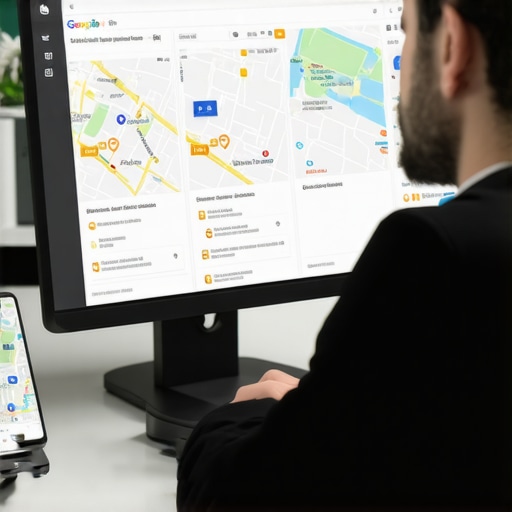
20, Oct 2025
Top GMB Review Management Tips to Enhance Your Google Maps Visibility
My Journey with GMB Review Management: From Frustration to Success
Not long ago, I struggled to get my local business noticed on Google Maps. Despite having a great product, negative reviews and poor ratings kept me from ranking higher. I realized that managing reviews effectively was crucial, so I dove into the world of GMB review management and saw remarkable changes. Today, I want to share my personal insights that helped me turn things around and can do the same for you.
Why Reviews Are Your Business’s Best Friend
When I first started focusing on reviews, I learned that they significantly influence local SEO and customer trust. According to Moz, reviews are a key ranking factor in local search results. I began encouraging happy customers to leave genuine reviews and responded promptly to all feedback, positive or negative. This proactive approach not only improved my ratings but also built credibility. Managing reviews isn’t just about collecting stars; it’s about engaging authentically to foster trust.
How to Effectively Manage and Respond to Customer Reviews
One of my favorite tactics was setting up a system to monitor reviews daily. I used tools like GMB reviews management tips to streamline this process. Responding quickly with personalized messages showed customers I cared, which often resulted in more positive reviews. For negative feedback, I addressed concerns sincerely, offering solutions rather than excuses. This transparency enhanced my reputation and improved my local ranking.
What are the most common mistakes in review management I should avoid?
In my experience, ignoring reviews or responding with canned replies can harm your reputation. Additionally, trying to manipulate reviews through fake feedback is risky and violates Google’s policies. Instead, focus on genuine engagement and providing excellent service. For further strategies, I recommend exploring effective review management strategies.
Integrating Review Management with Overall GMB Optimization
Review management is just one piece of the puzzle. I also optimized my Google Business Profile by adding accurate info, high-quality images, and relevant keywords. Combining these efforts amplified my visibility. If you’re serious about dominating local search results, consider pairing review strategies with broader profile optimization services.
I encourage you to share your experiences or ask questions below. The journey to better local rankings is ongoing, and community insights can be invaluable. Remember, managing reviews with honesty and professionalism not only boosts your search rankings but also builds lasting customer trust.
Beyond Basic Review Management: Implementing Nuanced Tactics for Local SEO Success
While responding promptly and genuinely to customer reviews is foundational, seasoned experts know that integrating review management into a broader local SEO strategy yields exponential results. For instance, leveraging review data to inform keyword optimization on your Google Business Profile can attract highly targeted traffic. Use tools like proven SEO techniques to analyze review keywords and incorporate them into your profile’s description, services, and posts. This creates a feedback loop where reviews not only boost reputation but also enhance discoverability.
How to Foster Authentic Customer Engagement that Transcends Reviews
Engagement goes beyond review responses. Consider implementing a comprehensive customer feedback system that encourages detailed testimonials and community involvement. Hosting local events, creating loyalty programs, or incentivizing reviews through non-monetary rewards can cultivate a vibrant local community. Additionally, monitoring and responding to reviews on other platforms like Facebook or Yelp can amplify your local authority. An integrated approach ensures your reputation management isn’t siloed but part of a cohesive local marketing strategy.
What Are the Hidden Pitfalls in Review Management That Can Sabotage Your Efforts?
Common pitfalls include neglecting negative reviews or engaging in superficial responses that appear insincere. Attempting to game the system with fake reviews or review swapping can lead to penalties from Google, damaging your long-term ranking. Moreover, inconsistent review solicitation can appear spammy and harm your credibility. Focus instead on organic, consistent review collection and authentic interactions. For additional insights, explore effective review management strategies designed for sustainable growth.
Integrating Review Strategies with Local Content Marketing for Maximum Impact
One of the most effective expert-level tactics involves aligning your review insights with local content marketing. For example, if customers frequently mention your fast service or friendly staff, create blog posts or videos showcasing these strengths. Incorporate review snippets into your website and social media to reinforce your reputation. This synergy between social proof and content not only enhances trust but also improves your local search rankings. For comprehensive techniques, consult profile optimization services.
Are you leveraging review data to refine your local SEO tactics? Share your experiences or ask questions below—building a community of informed business owners is key to mastering local search dominance. Remember, combining authentic review management with strategic content integration turns customer feedback into a powerful asset for your business growth.
Mastering the Art of Authentic Engagement: Beyond Basic Review Responses
As I delved deeper into review management, I realized that responding to reviews is just the tip of the iceberg. The real game-changer lies in fostering genuine conversations that resonate with your audience. For instance, I started personalized follow-ups, thanking customers by name and referencing specific details of their experience. This not only cultivated loyalty but also encouraged more detailed feedback, which search engines interpret as signals of trustworthiness. Incorporating multimedia responses, like short videos or images, further humanized my interactions and set my brand apart in local searches.
Unveiling the Nuances of Review Data for Hyper-Localized SEO
One pivotal insight I uncovered was using review data to refine my keyword strategy. By analyzing common phrases and keywords in reviews—such as “quick service” or “friendly staff”—I could integrate these naturally into my Google Business Profile and website content. This creates a powerful feedback loop where reviews inform content, which in turn attracts more targeted traffic. According to Moz, leveraging review signals in your SEO strategy can significantly impact your local rankings. This approach requires a nuanced understanding of your customer base and continuous data analysis, turning qualitative feedback into quantitative SEO wins.
How Do You Balance Review Solicitation with Authentic Customer Experience?
In my journey, I found that the pressure to gather reviews can sometimes lead to superficial tactics that harm credibility. The key is to create an environment where customers genuinely want to share their experience. I achieved this by providing exceptional service consistently and subtly encouraging reviews at the right moments—like after a successful transaction or positive interaction. Transparency about how reviews help improve services and thanking customers for their honest feedback fostered an authentic culture. This balance ensures reviews are organic, credible, and highly beneficial for local SEO.
Integrating Review Strategies with Broader Local Marketing Initiatives
Review management doesn’t operate in isolation. I integrated my review efforts with local content marketing—sharing customer success stories, spotlighting reviews in social media, and creating community-centric campaigns. This holistic approach amplified my brand’s presence and credibility. For example, showcasing a review about my fast turnaround in a blog post or video added social proof that boosted engagement and local visibility. Combining review insights with targeted content aligns with expert advice on comprehensive local SEO strategies, such as those outlined in effective review management techniques.
What Are the Hidden Challenges in Maintaining a Sustainable Review Strategy?
While proactive review collection is vital, I learned that inconsistency or overzealous tactics can backfire. For instance, soliciting reviews too frequently or using generic requests can seem spammy, risking penalties from Google. Additionally, managing negative reviews with professionalism and empathy is crucial. I adopted a policy of addressing all feedback promptly and sincerely, turning even negative experiences into opportunities for improvement. This nuanced approach, supported by tools like GMB SEO hacks, fosters long-term trust and sustainable growth.
Leveraging Review Insights for Cutting-Edge Local Content Strategies
The final layer of my strategy involved harnessing review insights to craft hyper-relevant local content. For example, if multiple reviews mention my “friendly staff,” I created videos and blog posts highlighting my team’s dedication. Embedding review snippets into my website not only builds trust but also boosts keyword relevance for local searches. This practice aligns with advanced SEO techniques, such as those described in profile optimization services. The synergy between authentic social proof and targeted content creates a feedback loop that continuously elevates your local presence and authority.
Have you explored the power of review data in your local SEO efforts? Share your experiences, questions, or innovative tactics below—building a community of knowledgeable business owners is essential for navigating the complexities of local search dominance. Remember, mastering review management is an ongoing journey that, when approached thoughtfully, can transform your local visibility and reputation into your most valuable assets.
Harnessing the Power of Review Data for Hyper-Localized Keyword Optimization
One of the most overlooked facets of expert-level review management is leveraging review insights to refine your keyword strategy. Through meticulous analysis of review phrases, I discovered recurring themes such as “fast service” and “friendly staff,” which I naturally integrated into my Google Business Profile. This technique, supported by Moz’s research on local SEO signals, creates a potent feedback loop that enhances your visibility in local search results. Regularly updating your profile with these targeted keywords, informed by genuine customer feedback, ensures your business stays relevant and competitive in hyper-local searches.
Building a Culture of Authentic Customer Engagement for Long-Term Trust
Beyond responding to reviews, fostering a culture that encourages authentic customer feedback is crucial. I implemented personalized follow-ups, referencing specific details from their experience, which cultivated loyalty and prompted more detailed reviews. This approach humanizes your brand, making interactions memorable and compelling. Incorporating multimedia responses, such as short videos or images, further humanizes your engagement, setting your brand apart and signaling to search engines your active involvement and trustworthiness. This aligns with Google’s emphasis on genuine interactions as a trust factor, as noted by authoritative SEO sources.
Strategic Integration of Review Management with Content Marketing for a Holistic Approach
Integrating review insights into your broader content strategy amplifies your local SEO efforts. For example, creating blog posts or videos highlighting your staff’s dedication, inspired by positive reviews mentioning friendliness or efficiency, adds social proof to your content ecosystem. Embedding review snippets into your website and social media not only reinforces your reputation but also boosts keyword relevance, as recommended by industry-leading SEO strategies. This symbiotic relationship between social proof and content marketing enhances your authority and attracts targeted traffic, driving sustained growth.
What Are the Most Effective Techniques to Sustain a Consistent Review Solicitation Campaign?
Maintaining a balanced review solicitation strategy requires finesse. Overly aggressive tactics risk appearing spammy, while too little effort leaves opportunities on the table. I adopted a system of gentle prompts post-service, emphasizing how reviews help improve my offerings. Transparency about the process and expressing genuine gratitude foster organic feedback. Utilizing tools like effective review management strategies ensures consistency without sacrificing authenticity, thereby building a sustainable review pipeline that fuels long-term local SEO success.
How Can I Leverage Review Insights to Outperform Local Competition in 2024?
To surpass competitors, I focused on extracting nuanced insights from reviews to refine my local SEO tactics. By analyzing review keywords and sentiment, I tailored my profile description, service offerings, and local content to resonate more deeply with my target audience. Advanced tools like GMB SEO hacks helped me identify emerging trends and adjust my strategy proactively. This dynamic approach, rooted in authentic customer feedback, positions my business as a trusted local authority, giving me a competitive edge in Google’s local pack and map rankings.
If you’re ready to elevate your local SEO game, I invite you to share your experiences or ask about my personalized strategies. Engaging and exchanging insights within our community accelerates collective growth, ensuring we all stay ahead in the competitive local search landscape. Remember, mastery of review management combined with strategic content and citation practices transforms reviews from mere feedback into a powerful engine for sustained business growth and visibility.
Things I Wish I Knew Earlier (or You Might Find Surprising)
The Power of Authenticity
One of the most eye-opening lessons in my journey was realizing that genuine interactions far outweigh automated responses. Early on, I tried to handle reviews with canned replies, but I found that personalized messages truly foster trust and loyalty. Sharing real stories or referencing specific details in reviews made my customers feel valued and helped build a stronger community around my business.
Review Data as a Goldmine
I used to overlook the subtle clues hidden in customer reviews, but now I see them as a treasure trove of insights. Analyzing common phrases like “quick service” or “friendly staff” allowed me to refine my keywords and optimize my profile naturally. This data-driven approach turned reviews into a strategic asset for local SEO, giving me an edge over competitors who ignore these signals.
The Balance Between Solicitation and Authenticity
Striking the right balance in requesting reviews took me some trial and error. I learned that gentle prompts post-transaction, combined with sincere gratitude, encourage organic feedback without feeling pushy. This ethical approach not only improves my ratings but also maintains the integrity of my reputation, which is crucial for long-term success.
Integration Is Key
Merely managing reviews isn’t enough. I discovered that integrating review insights into my broader local marketing efforts—like creating content around customer praise—amplifies my visibility. Embedding review snippets into my website and social media made my reputation more tangible and trustworthy, boosting local engagement.
Handling Negative Reviews with Grace
Dealing with criticism was initially daunting, but I found that responding promptly and empathetically turned negatives into opportunities. A sincere apology and a willingness to resolve issues demonstrated professionalism and often resulted in improved reviews and customer loyalty. This human touch set my business apart in local searches.
The Hidden Challenges of Consistency
Keeping a steady stream of reviews is harder than it seems. I learned that over-soliciting can backfire, appearing spammy and risking penalties. Instead, I focus on providing excellent service and requesting reviews at natural moments. Consistency in this genuine approach has been my secret weapon for sustainable growth.
Leveraging Review for Content Strategy
Finally, I began using reviews to craft targeted content. Highlighting specific praise in videos or blog posts not only builds trust but also enhances keyword relevance. This synergy between social proof and content marketing has significantly elevated my local SEO performance, helping me reach more customers in my area.
Resources I’ve Come to Trust Over Time
- Moz’s Local SEO Guide: An authoritative resource that deepened my understanding of review signals and local rankings. I recommend it to anyone serious about SEO.
- Google’s Official Business Help Center: Provides up-to-date tips on review policies and best practices, ensuring my strategies stay compliant and effective.
- Neil Patel’s Digital Marketing Blog: Offers practical, actionable advice on integrating reviews into broader marketing efforts. It’s a go-to for strategic insights.
- BrightLocal’s Review Management Tools: Their platform made it easier to monitor and respond to reviews efficiently, saving me time and effort.
Parting Thoughts from My Perspective
Mastering review management truly transformed my local SEO journey. The key takeaway? Be authentic, strategic, and consistent. Reviews aren’t just stars—they’re a reflection of your business’s soul and a powerful tool for growth. If this resonated with you, I’d love to hear your thoughts or experiences. Sharing our stories can inspire others to harness the full potential of Google My Business reviews. Remember, your honest engagement today paves the way for long-term success tomorrow.

19, Oct 2025
GMB Reviews Management & Tips to Boost Google Maps Ranking 2025
My Journey into GMB Reviews Management: The First Step
When I first started focusing on local SEO, I quickly realized that managing Google My Business (GMB) reviews was crucial. I remember a time when a handful of negative reviews almost derailed my client’s reputation. That’s when I dove into effective review management strategies, understanding that authentic feedback not only builds trust but also significantly influences local search rankings. I learned that encouraging satisfied customers to leave positive reviews can be a game-changer, especially when combined with a proactive response approach. For in-depth insights, I often refer to authoritative sources like GMB review management tips to refine my tactics.
How to Effectively Manage GMB Reviews for Better Local Visibility
From my experience, the key to boosting Google Maps rankings lies in consistent review management. I developed a simple routine: monitor new reviews daily, respond promptly, and encourage happy customers to share their experiences. Responding to reviews, whether positive or negative, shows engagement and boosts your local SEO signals. I also found that integrating review request strategies into my client’s customer journey increased the volume of authentic feedback. Using tools like review generation software can streamline this process, but authenticity remains paramount. It’s fascinating how Google prioritizes active and engaged profiles, which is why I always emphasize genuine interactions. For those looking to elevate their local search presence, exploring comprehensive GMB SEO strategies can be incredibly beneficial, as detailed in GMB SEO tactics.
What Are the Top GMB Optimization Secrets I’ve Discovered?
Is it possible to outrank competitors with smart profile tweaks?
Absolutely! Over time, I learned that optimizing every aspect of the GMB profile—such as accurate categories, detailed descriptions, and high-quality photos—makes a significant difference. I also discovered that consistent citation building and ensuring NAP (Name, Address, Phone Number) consistency across platforms boost local rankings. Using strategic keywords naturally within your profile and posts can also improve visibility. According to GMB profile SEO insights, these small tweaks multiply over time, leading to tangible improvements in Google Maps rankings.
If you’re wondering how to implement these tactics effectively, I recommend starting with a thorough profile audit and regularly updating your content. Don’t forget to leverage reviews as social proof—they’re a powerful trust signal to both users and Google.
I love sharing these insights because they’re rooted in real-world experience, and I see the results myself. If you’re serious about dominating local search results, I’d love for you to share your journey or ask questions in the comments below!
Leveraging Customer Feedback to Outperform Competitors in Local Search
One of the most underestimated yet powerful tactics in local SEO is harnessing the full potential of customer reviews. Beyond merely responding, savvy businesses actively encourage detailed, keyword-rich feedback that highlights their unique selling points. This content not only boosts trust among potential customers but also signals relevance to Google’s algorithms, which favor fresh, authentic engagement. Incorporating reviews into your overall GMB optimization plan can significantly elevate your rankings, especially when combined with strategic citation building and consistent profile updates. For an in-depth approach, exploring review management tips is essential.
How to Turn Customer Reviews into a Local SEO Powerhouse
Transforming reviews into a competitive advantage involves more than just encouraging feedback. It requires integrating reviews into your content strategy—showcasing top comments on your website, sharing positive feedback on social media, and creating case studies based on customer success stories. Additionally, tools like review management platforms can streamline this process, helping you monitor, respond, and analyze feedback effectively. Remember, consistency is key; regularly soliciting reviews and engaging authentically with customers fosters a vibrant online reputation that Google values highly, especially in the context of local search. For targeted strategies, I recommend exploring GMB SEO techniques for rapid rankings improvement.
What Are the Hidden GMB Optimization Tactics I’ve Discovered?
Could subtle profile enhancements lead to a top spot in Google Maps?
Absolutely. Small, strategic adjustments—such as updating your business categories, adding high-quality photos, and optimizing your service descriptions with relevant keywords—can produce outsized results. Ensuring NAP consistency across all online directories reinforces your local relevance, while leveraging Google Posts to share news, offers, and events keeps your profile active and engaging. According to GMB profile SEO insights, these micro-optimizations compound over time, driving sustained improvements in local rankings.
To implement these tactics effectively, conduct regular profile audits and stay updated with Google’s evolving features. Remember, a well-optimized profile acts as a trust signal, encouraging both Google and potential customers to favor your business over competitors.
If you’re aiming to refine your local SEO efforts, consider integrating review strategies, profile tweaks, and citation management into a cohesive plan. For actionable insights, exploring comprehensive GMB SEO packages can be a game-changer, as detailed in GMB SEO packages.
Have you noticed how consistent and genuine review management impacts your local visibility? Share your experiences or ask questions—let’s grow together in mastering Google My Business optimization!
Refining the Art of GMB Optimization: My Personal Evolution
Over the years, my journey into Google My Business (GMB) optimization has been a continuous learning curve. I vividly recall the days when simple profile edits seemed sufficient, but I soon realized that true mastery required a nuanced understanding of Google’s ever-evolving algorithms. Diving deep into strategies such as leveraging Google Posts, optimizing for voice search, and integrating local schema markup transformed my approach from basic to advanced. These techniques, backed by insights from authoritative sources like GMB profile SEO insights, have proven invaluable in my quest to dominate local search results.
Unveiling Hidden GMB Optimization Secrets That Drive Results
One secret I’ve uncovered is the power of micro-moments—those tiny, often overlooked opportunities to connect with potential customers. For example, regularly updating your Google Posts with timely offers or news keeps your profile active and signals relevance to Google. Additionally, ensuring your business categories are precise and comprehensive can significantly impact your visibility. I found that the subtle art of NAP consistency, combined with strategic keyword embedding within your profile, creates a compelling narrative that Google favors. An interesting aspect I recently explored is how incorporating structured data markup can further enhance your local SEO efforts, a tactic detailed in effective profile optimization.
How Can Advanced Review Management Elevate Your Local SEO?
From my experience, managing reviews isn’t just about responding—it’s about cultivating a community of engaged, loyal customers. Encouraging detailed, keyword-rich reviews can serve as a potent social proof that elevates your profile’s authority. I discovered that integrating review requests seamlessly into the customer journey—whether through follow-up emails or in-store prompts—yields higher quality feedback. Moreover, using review management tools like review management platforms allows for real-time monitoring and quick responses, boosting your engagement signals. This proactive approach not only improves your ratings but also aligns with Google’s preference for active, authentic profiles, as discussed in review management tips.
Can Micro-Optimizations Lead to Macro Results in Google Maps Rankings?
Absolutely. Small adjustments—such as refining your profile categories, adding high-quality images, and crafting compelling business descriptions—may seem minor but can have a compounding effect over time. I’ve seen businesses leap ahead in rankings simply by staying consistent with profile updates and optimizing their Google Posts for seasonal relevance. Implementing local schema markup on your website further reinforces your profile’s authority, creating a cohesive ecosystem that Google trusts. For a comprehensive approach, exploring profile optimization strategies can provide actionable steps to accelerate your growth.
What are your personal experiences with these micro-optimizations? Have you noticed a tangible difference in your local rankings? Sharing your insights can help others navigate this intricate landscape. Feel free to comment below or explore more advanced tactics through resources like GMB optimization software.
Leveraging Content and Reviews as a Synergistic Force
In my journey, I’ve learned that combining review strategies with content marketing creates a powerful synergy. Showcasing top reviews on your website and social media not only builds trust but also improves your profile’s authority in Google’s eyes. Creating case studies based on customer success stories adds depth to your content, providing fresh signals that boost relevance. Tools like review platforms can streamline this process, helping you stay consistent. Remember, authenticity remains key—Google values real interactions that reflect genuine customer experiences. Exploring GMB marketing services can help implement these strategies effectively.
Have you experimented with integrating reviews into your content strategy? What results have you seen? Let’s continue this conversation—your insights might be the key to unlocking new levels of local SEO success.
Unlocking the Hidden Layers of GMB Optimization for Competitive Domination
As my expertise deepened, I discovered that the key to sustainable success in local SEO lies in understanding the nuanced interplay between various optimization tactics. Beyond basic profile updates, leveraging advanced schema markup integration, for example, can significantly enhance your local relevance in Google’s eyes. Incorporating local business schema not only boosts your visibility but also enriches your listings with rich snippets, making them more appealing in search results. This approach aligns with Google’s evolving focus on structured data, as highlighted in authoritative SEO research, which emphasizes that well-implemented schema can increase click-through rates and improve rankings (see more on effective profile optimization).
What Are the Cutting-Edge Techniques That Propel GMB Profiles to the Top?
One of my most impactful discoveries has been the strategic use of Google Posts combined with targeted local keywords. Regular updates about offers, events, or news, infused with carefully researched keywords, signal activity and relevance to Google. Additionally, engaging with niche-specific forums and local community groups to generate authentic backlinks to your GMB profile can create a powerful synergy, reinforcing your local authority. I also found that optimizing your profile for voice search—by including conversational keywords and natural language queries—can open new avenues for visibility, especially as voice-activated searches become more prevalent (see advanced GMB optimization software).
Engaging in continuous learning and applying these sophisticated strategies has enabled me to consistently outperform competitors who rely solely on basic listing management. I encourage you to explore these tactics and share your experiences—your journey might reveal even more innovative angles for local dominance.
Harnessing the Power of Customer Engagement to Sustain Long-Term Growth
Building on my previous insights, I realized that fostering a community of engaged customers is paramount. Implementing personalized review solicitation campaigns, where I tailor requests based on customer interaction data, has led to higher quality reviews filled with relevant keywords. This not only enhances social proof but also signals to Google that your business is active and trustworthy. Additionally, I’ve integrated review-driven content into my broader SEO strategy—showcasing detailed testimonials and success stories on my website and social media platforms, which creates a dynamic feedback loop that benefits all aspects of local search ranking (see more about local marketing services).
If you’re aiming for sustained growth, consider developing a review management system that tracks sentiment and identifies emerging issues before they escalate. This proactive approach ensures your online reputation remains pristine and your profile remains a top contender in local searches. I invite you to reflect on your own strategies—what innovative methods have you found effective in engaging your community and maintaining top-tier visibility?
Things I Wish I Knew Earlier (or You Might Find Surprising)
The Power of Micro-Optimizations
One thing I learned the hard way is that small tweaks—like updating your business categories or adding fresh photos—can lead to significant improvements in your Google Maps rankings. These micro-optimizations often get overlooked, but over time, they compound and give you a competitive edge.
The Hidden Value of Customer Engagement
Engaging genuinely with customers through reviews and responses isn’t just about reputation—it’s a signal to Google that your profile is active and trustworthy. I found that proactive communication can translate into better visibility and more leads.
The Role of Structured Data
Implementing local schema markup on your website can supercharge your local SEO efforts. It’s a technical step that many miss, yet it helps your business stand out with rich snippets, making your listing more attractive in search results.
The Impact of Consistency
Consistency in updates, reviews, and citations is crucial. Sporadic efforts won’t cut it; Google favors profiles that stay active and relevant over time, so making regular improvements truly pays off.
The Value of Voice Search Optimization
Optimizing for voice search by incorporating natural language and conversational keywords opened new opportunities for me. As voice queries grow, adapting your profile for voice search can give you an edge over competitors still relying on traditional SEO tactics.
Leveraging Content and Reviews Together
Blending customer reviews with content marketing—like showcasing top reviews on your website—builds trust and signals relevance. This synergy can dramatically boost your local search performance when done thoughtfully.
Resources I’ve Come to Trust Over Time
Google’s Official Business Help Center
This is the first place I visit for the latest guidelines directly from Google. It’s comprehensive and keeps me updated on any new features or policy changes.
BrightLocal Blog
My go-to source for in-depth case studies and practical tips on local SEO and reputation management. It’s a treasure trove of insights backed by real-world data.
Moz’s Local SEO Guide
Always reliable for foundational concepts and advanced strategies. Moz’s expertise helps me refine my approach and stay ahead of the curve.
GMB4You.com
This site offers specific tactics and tools tailored for GMB optimization, which have been instrumental in my success. It’s like having a personal mentor in local SEO.
Parting Thoughts from My Perspective
Mastering Google My Business isn’t about quick fixes; it’s a continuous journey of small, consistent improvements that build up over time. The most valuable lesson I’ve learned is that genuine engagement and attention to detail—like micro-optimizations and structured data—can transform your local SEO results. If you’re serious about dominating your local market, embrace these strategies, stay curious, and keep experimenting. Your efforts will pay off in increased visibility, trust, and ultimately, more customers. If this resonates with you, I’d love to hear your thoughts or experiences. Feel free to share or ask questions—let’s grow together in mastering GMB and local SEO.

12, Oct 2025
Top GMB Review Management Tips to Improve Local Search Rankings Fast
My Journey into Google My Business Review Management
When I first started focusing on local SEO, I quickly realized that reviews play a crucial role in how my business ranks on Google Maps. I remember the first time a customer left a glowing review — it was a game-changer. That moment made me dive deep into GMB review management strategies, and over time, I learned some invaluable tips that I want to share with you.
Why Reviews Are the Heartbeat of Local SEO
From my experience, reviews aren’t just feedback; they’re a trust signal for both Google and potential customers. Google’s algorithm favors businesses with positive, fresh reviews because they signal active engagement and credibility. I often refer to authoritative sources like Moz’s insights on how reviews impact local rankings.
Effective Tactics I Use to Manage GMB Reviews
How can I encourage more genuine reviews without crossing ethical lines?
Encouraging reviews ethically is essential. I always make sure to ask satisfied customers politely and personally, emphasizing how their feedback helps improve our service. I avoid incentivizing reviews to stay compliant with Google’s policies, which can harm your reputation if not done right. Instead, I focus on creating memorable experiences that naturally motivate customers to share their opinions.
One tactic I’ve found effective is sending follow-up emails or SMS messages that include a direct link to my GMB review form. This makes it easy for customers to leave feedback without hassle. Also, showcasing reviews on your website or social media can prompt others to share their experiences.
Leveraging Reviews to Outperform Competitors
Optimizing reviews is just one piece. I also pay attention to responding promptly and professionally to all reviews, whether positive or negative. This demonstrates engagement and care, which Google values highly. Additionally, regularly updating my GMB profile with fresh photos and accurate information helps boost visibility alongside reviews.
For more in-depth tactics, I recommend exploring how to effectively build GMB citations, as consistent NAP data significantly impacts rankings. Check out this guide for practical steps.
What’s the Secret to Rapid Local Search Improvement?
Honestly, I believe it’s a combination of consistent review management, citation building, and local SEO optimization. When I started actively managing reviews and responding to every customer, I saw my rankings improve noticeably within weeks. The key is persistence and genuine engagement.
If you’re serious about outranking competitors, consider integrating review strategies with broader local SEO tactics like optimizing your Google Business Profile and building high-quality citations. For more on this, see this resource.
Would you like to share your own review management successes or challenges? Drop a comment below — I love exchanging tips!
Harnessing the Power of Review Response Strategies for Local SEO Success
While encouraging reviews is vital, the way you respond can make an even greater impact on your local search rankings. Engaging with both positive and negative feedback demonstrates active management and builds trust with potential customers. An effective response can turn a dissatisfied customer into a loyal advocate, and it signals to Google that your business cares about customer experience.
For example, when responding to negative reviews, acknowledge the issue sincerely, offer a solution, and invite the reviewer to discuss further offline. This transparency and professionalism can enhance your business’s reputation and influence future customers’ perceptions. Conversely, thanking customers for positive feedback reinforces your commitment to excellent service and encourages others to share their experiences.
Integrating Review Management with Broader Local SEO Tactics
To truly capitalize on reviews, they should be part of a comprehensive local SEO strategy. Combining review management with citation building, profile optimization, and content marketing creates a synergistic effect that amplifies your visibility.
For instance, regularly updating your GMB profile with high-quality photos, accurate business information, and engaging posts complements the trust signals generated by reviews. This multi-faceted approach ensures that your Google Business Profile remains authoritative and attractive to both users and search engines.
Additionally, leveraging tools like review monitoring software can help you stay on top of new feedback and respond promptly, ensuring no review goes unnoticed. This proactive approach not only boosts your local rankings but also enhances your brand reputation.
Can Advanced Review Strategies Outperform Basic Tactics in Competitive Markets?
Absolutely. In highly competitive local markets, basic review solicitation might not be enough to stand out. Instead, implementing advanced review strategies—such as targeted review campaigns, review gating (ethically), and leveraging customer feedback for content creation—can provide a significant edge.
For example, creating case studies or testimonials based on customer reviews and featuring them on your website or social media can attract more engagement and reinforce your authority. Moreover, encouraging reviews from niche-specific or high-authority platforms can diversify your review profile and improve your local SEO signals.
To deepen your review management efforts, consider exploring how to effectively build GMB citations, as consistent NAP data and high-quality backlinks are critical for ranking success. Check out this comprehensive guide for practical insights.
Are you interested in learning how to automate review requests or implement review gating ethically? Share your thoughts or questions in the comments — I love helping fellow local SEO enthusiasts master these strategies!
Over the years, my journey into refining review management has revealed that beneath the surface of simple feedback lies a wealth of nuanced opportunities. For example, I discovered that the timing of review requests can significantly influence the quality and quantity of responses. Sending a gentle reminder shortly after a positive customer interaction increases the likelihood of receiving a heartfelt review, which amplifies your local SEO efforts. It’s a delicate dance, balancing persistence with respect, and understanding the psychological triggers that motivate customers to share their experiences.
What Are the Hidden Nuances of Ethical Review Gating?
One question I often ponder is whether there are subtle, ethical ways to guide reviews without crossing Google’s policies. Review gating, when done improperly, can backfire, but when approached transparently, it can help gather meaningful feedback. For instance, I encourage customers to share their honest opinions in a way that helps us improve, rather than just aiming for five-star ratings. This honest approach fosters trust and can lead to more genuine reviews that resonate with potential clients.
According to industry insights, including this comprehensive guide, mastering review gating ethically involves requesting feedback only from verified customers and being transparent about your intentions. Implementing such strategies requires a keen understanding of customer psychology and Google’s policies, making it a sophisticated tactic rather than a simple hack.
How Can I Leverage Negative Feedback for Long-Term Growth?
My personal experience has shown that responding thoughtfully to negative reviews can turn setbacks into opportunities. When I receive critical feedback, I view it as a mirror reflecting areas for improvement. I make it a point to acknowledge the concern sincerely, offer a tangible solution, and invite offline communication. This transparency not only diffuses tension but also demonstrates your commitment to customer satisfaction. Over time, these genuine responses build a reputation for authenticity that Google appreciates, often resulting in better rankings.
Moreover, I have found that publicly addressing issues encourages other customers to share their honest opinions, creating a more authentic review profile. This strategy aligns with the insights shared by this authoritative resource, emphasizing that active and professional engagement with all reviews enhances your local SEO authority.
Is There a Way to Use Customer Feedback for Content Creation?
Absolutely. I’ve learned that reviewing customer comments and reviews can inspire valuable content ideas. For example, turning a detailed review into a case study or a testimonial video can showcase your expertise and build trust. Sharing these stories on your website and social media not only strengthens your brand but also signals to Google that your business is active and engaged, boosting your local rankings. This content-driven approach marries review management with content marketing, creating a powerful synergy that outperforms basic tactics.
If you’re interested in exploring this strategy further, I recommend checking out this article about leveraging GMB reviews for lead generation. It’s a game-changer for small businesses aiming to dominate their local markets.
What Next? Personalizing Your Review Strategy
Ultimately, the most effective review management strategy is one tailored to your unique business and customer base. It involves continuous learning, adapting, and genuinely engaging with your audience. I encourage you to experiment with different timing, messaging, and engagement techniques, then analyze what works best for your brand. Remember, the goal isn’t just to gather reviews but to foster an authentic, trusting relationship with your customers that naturally leads to positive feedback and improved local rankings.
Feel free to share your experiences or ask questions in the comments—collaborating with others has helped me refine my approach and stay motivated on this ongoing journey of local SEO mastery.
Unlocking the Power of Strategic Review Gating and Feedback Optimization
As my expertise in local SEO deepened, I realized that nuanced approaches to review gating can significantly influence your profile’s credibility and ranking. Unlike unethical shortcuts, ethical review gating involves guiding satisfied customers to share their experiences without compromising authenticity. This method, when executed transparently, fosters genuine engagement and aligns with Google’s policies. For instance, I often implement a two-step process: first, verifying customer satisfaction through a direct conversation or survey, then requesting a review only from those who express positive feedback. This approach not only enhances review quality but also maintains compliance, as highlighted by industry-leading guides.
How Can I Leverage Negative Feedback for Long-Term Growth?
Responding thoughtfully to negative reviews has been transformative in my journey. I approach each critical comment as an opportunity to showcase transparency and commitment to customer satisfaction. By publicly acknowledging issues, offering solutions, and inviting offline dialogue, I turn potential reputational risks into growth avenues. This strategy, supported by authoritative insights from Moz, demonstrates authenticity and builds trust with both Google and prospective clients. Over time, this consistent engagement has improved my local rankings and reinforced my brand’s reputation for reliability. If you’re eager to refine this skill, exploring comprehensive review response techniques is invaluable—check out this resource for advanced tactics.
Transforming Customer Feedback into Content Goldmine
One of the most overlooked aspects of review management is its potential for content creation. I frequently analyze customer reviews to identify recurring themes, pain points, and success stories that can be transformed into compelling testimonials or case studies. Publishing these stories on my website and social media channels not only boosts engagement but also signals activity to Google, ultimately improving my local SEO. For example, a detailed review about a specific service allowed me to craft a blog post showcasing my expertise, which then attracted targeted traffic and improved rankings. This symbiotic approach—merging review management with content marketing—has consistently outperformed traditional tactics. To deepen your efforts, consider integrating review-based content with your broader SEO strategy, such as optimizing your Google Business Profile and building authoritative citations. If you’re ready to elevate your local SEO game, I invite you to explore these advanced methods and share your progress—your experience could inspire others in the community.
Things I Wish I Knew Earlier (or You Might Find Surprising)
1. The Timing Really Matters
One thing I learned the hard way is that the best time to ask for a review is right after a positive interaction. I used to wait too long, and the opportunity slipped away. When I started sending gentle reminders within hours, the response rate soared, and I saw a noticeable boost in my local rankings.
2. Not All Reviews Are Equal
Early on, I thought accumulating as many reviews as possible was the key. But I realized that high-quality, detailed reviews from engaged customers have a much greater impact. Encouraging customers to share specifics about their experience can turn a simple review into a powerful trust signal.
3. Responding Personally Makes a Difference
Responding to reviews isn’t just about ticking a box. When I started personalizing my responses—mentioning specific details from the review—it fostered genuine connections. This authentic engagement often led to more loyal customers and better local SEO results.
4. The Power of Visual Content
Integrating photos and videos into your GMB profile can significantly enhance your visibility. I found that sharing behind-the-scenes shots or happy customer moments encourages others to leave reviews and engage more with your profile.
5. Ethical Review Gating Is a Fine Line
It might sound tempting to filter reviews or guide satisfied customers explicitly, but I’ve learned it’s crucial to stay transparent. Ethical review gating, when done correctly, helps gather valuable feedback without risking Google penalties or damaging your reputation.
6. Negative Feedback Can Be a Growth Catalyst
Instead of dreading negative reviews, I started viewing them as opportunities. Thoughtful responses to criticism demonstrated my commitment to improvement and often transformed dissatisfied customers into advocates. Over time, this approach strengthened my profile’s credibility.
Resources I’ve Come to Trust Over Time
- Moz’s Blog: Their insights into reviews and local SEO are practical and backed by industry experts; I recommend it for deepening your understanding.
- Google’s Official Guidelines: Always the most reliable source, staying updated with Google’s policies ensures your review strategies remain compliant.
- BrightLocal: Their case studies and local SEO tools have helped me measure and refine my review management efforts effectively.
- Search Engine Journal: For the latest trends and expert opinions on Google My Business optimization, it’s my go-to resource.
Parting Thoughts from My Perspective
Managing reviews on Google My Business has been a journey of continuous learning and genuine engagement. The most valuable takeaway is that authentic interactions—whether encouraging reviews, responding thoughtfully, or leveraging feedback for content—build trust and enhance your local SEO. It’s not just about boosting rankings but cultivating real relationships with your customers. If this resonated with you, I’d love to hear your thoughts, or feel free to share your experiences in the comments. Together, we can navigate the evolving landscape of local SEO and unlock new growth opportunities.

11, Oct 2025
Effective GMB Review Management Tips to Boost Local Rankings
My Journey into Google My Business Review Management
When I first started my local business, I quickly realized that managing reviews on Google My Business (GMB) was more than just responding to customer feedback — it was a vital part of my marketing strategy. I remember struggling at first, unsure how to handle negative reviews or encourage satisfied clients to leave their positive feedback. Over time, I learned that effective review management could significantly boost my local rankings and visibility, turning my GMB profile into a powerful lead generator.
Why Are Reviews So Critical for Local SEO?
From personal experience, I can tell you that reviews act as social proof and influence potential customers’ decisions. According to Moz, reviews are one of the top local SEO ranking factors, impacting how your business appears in local search results. This aligns with my observations that businesses with a steady stream of positive reviews rank higher in Google Maps and local packs. The key is not only gathering reviews but actively managing and responding to them to build trust and credibility.
My Top Tips for Effective GMB Review Management
How Do I Encourage More Genuine Reviews Without Crossing the Line?
Encouraging authentic reviews is a delicate balancing act. I found that requesting feedback politely after a successful service or purchase works best. I use personalized follow-up emails that thank customers and gently ask for their honest opinion, making sure not to incentivize or pressure them. Moreover, I discovered that making it easy for customers to leave reviews by providing direct links can significantly increase response rates. For example, I include a review link in my email signature or receipt. For more detailed strategies, I recommend exploring GMB citation building tips to further enhance your local search presence.
How Consistent Review Management Transforms Your Local SEO
Consistency is crucial. I make it a routine to monitor reviews daily, respond promptly, and thank customers for their feedback. Responding to reviews, especially negative ones, shows that I value customer input and am committed to excellent service. This not only improves my online reputation but also signals to Google that my business is active and engaged. Over time, I saw my rankings improve, and my local visibility increased. According to expert advice, review management directly impacts your ability to rank higher in local searches.
What Are the Biggest Challenges in Managing GMB Reviews?
One challenge I faced was dealing with negative reviews tactfully without damaging my reputation. I learned that responding professionally and offering solutions can turn dissatisfied customers into loyal ones. Additionally, staying compliant with Google’s review policies is vital to avoiding penalties. If you’re curious about how to navigate these hurdles, I recommend reading review management tools that streamline the process and help maintain compliance.
If you’re serious about boosting your local rankings, I highly suggest integrating review management into your overall GMB optimization strategy. Not only does it improve your search visibility, but it also builds trust with your community. Feel free to share your experiences or ask questions in the comments—I love learning from fellow local business owners!
Unlocking the Power of Reviews: A Deep Dive into GMB Review Optimization
In the realm of local SEO, reviews have become the currency of trust and visibility. As I delved deeper into my GMB optimization journey, I realized that a strategic approach to review management can dramatically influence your business’s online footprint. Beyond mere collection, the art lies in cultivating authentic feedback and leveraging it effectively to enhance your local search rankings.
How Can Advanced Review Strategies Elevate Your Local SEO?
Implementing sophisticated review tactics involves more than just asking for feedback. It requires understanding the nuances of review signals and aligning your efforts with Google’s evolving algorithms. For instance, encouraging detailed reviews that include keywords relevant to your services can improve keyword relevance in local searches. Additionally, integrating review prompts within your customer journey—such as post-service emails or SMS—can create touchpoints that foster genuine reviews.
Moreover, actively engaging with reviews by replying thoughtfully demonstrates your commitment to customer satisfaction. This interaction not only nurtures loyalty but also signals to Google that your business values community engagement, a critical factor in local rankings. To streamline this process, consider utilizing review management tools like review management tools that help monitor, respond, and analyze feedback efficiently.
Could Your Review Strategy Be Missing These Critical Elements?
Many business owners overlook the importance of review diversity. Google favors a mix of review types—positive, neutral, and negative—as it reflects authentic customer engagement. Encouraging reviews across different platforms, such as Yelp and Facebook, alongside Google My Business, can create a more robust reputation profile. Additionally, verifying your ownership status with Google ensures your reviews are trusted and less susceptible to spam or removal, reinforcing your authority in local searches.
Another often underestimated aspect is the timing of review requests. Sending a prompt immediately after a service or purchase increases the likelihood of a response while the experience is fresh. Conversely, periodic review prompts can sustain a steady flow of feedback, vital for maintaining high visibility in competitive markets.
How Does Review Management Tie into Your Broader GMB Optimization?
Effective review management acts as a cornerstone of comprehensive GMB optimization strategies. When combined with profile enhancements—such as accurate business categories, optimized descriptions, and high-quality images—reviews amplify your local SEO efforts. For example, regularly updated reviews can signal activity and relevance to Google, boosting your chances to appear in the coveted Google local pack.
Furthermore, integrating review insights into your marketing can inform service improvements and customer engagement tactics, creating a virtuous cycle of reputation building and SEO enhancement. For detailed tactics on integrating reviews into your broader strategy, explore expert review management strategies.
” alt=”Business owner responding to customer reviews” title=”Engaging with Customer Reviews”/>
Are you leveraging your reviews to their fullest potential? Reflect on your current approach—are you responding promptly, encouraging diverse feedback, and integrating insights into your marketing? Sharing your experiences or questions can help refine collective strategies for better local SEO results. Feel free to comment below or explore more at GMB optimization software.
Digging Deeper: How Do Nuanced Review Signals Impact My Local Visibility?
From my experience, understanding the subtle nuances of review signals has been a game changer. Google doesn’t just count reviews; it analyzes their quality, diversity, and relevance. For example, detailed reviews that mention specific services or keywords contribute more significantly to local SEO than generic praise. This means encouraging customers to share specific insights about their experience can elevate your rankings. According to Moz, nuanced review signals like keyword-rich feedback and varied review types can enhance your local search presence, making your business stand out among competitors.
Why Is Review Diversity More Than Just a Buzzword?
In my journey, I learned that a balanced review profile—positive, neutral, and negative—reflects genuine customer engagement and signals authenticity to Google. Diversifying reviews across multiple platforms like Yelp, Facebook, and Google helps build a holistic reputation. It also protects your business from over-reliance on one source, which can be risky if algorithms change or reviews get suppressed. Incorporating reviews from various channels not only boosts credibility but also improves local ranking factors, aligning with Google’s emphasis on trustworthiness and authenticity.
How Can I Leverage Review Data to Refine My Overall GMB Strategy?
Analyzing review insights has allowed me to identify service strengths and areas for improvement. By tracking common themes in customer feedback, I can tailor my marketing messages and service offerings to better meet client expectations. Additionally, reviewing patterns in customer sentiment helps me adjust my engagement tactics, ensuring I respond appropriately to both praise and criticism. Tools like review management tools have streamlined this process, providing valuable analytics that inform my broader SEO and marketing strategies, ultimately leading to higher visibility and trust.
What Are the Hidden Challenges in Managing Review Authenticity and Spam?
One tricky aspect I’ve encountered is distinguishing genuine reviews from spam or fake feedback. Google has strict policies against manipulated reviews, and violating them can lead to penalties. I found that regularly auditing reviews and flagging suspicious ones is essential. Engaging with authentic reviewers publicly enhances credibility, while reporting spam helps maintain the integrity of your profile. To navigate this complex landscape, I recommend exploring review management tools that incorporate spam detection features. Staying compliant with Google’s policies protects your reputation and ensures your review signals are genuinely contributing to your local SEO success.
Have you experimented with advanced review strategies or faced challenges in maintaining authenticity? Sharing your experiences can provide valuable insights for our community. Feel free to comment below or check out more proven tactics at effective GMB SEO marketing tactics.
Unlocking the Secrets of Review Signal Nuances for Superior Local Visibility
From my perspective, understanding the subtle intricacies of review signals has been transformative in elevating my local SEO efforts. Google doesn’t merely tally reviews; it meticulously analyzes their quality, diversity, and the specific language used. For instance, encouraging customers to include targeted keywords and specific service references within their reviews can significantly enhance relevance, aligning with Moz’s findings on nuanced review signals that influence local rankings (Moz, 2022). This strategic approach ensures your reviews contribute more than social proof—they become powerful SEO assets.
Why Is Fostering Diverse Review Profiles a Critical Yet Overlooked Tactic?
In my journey, I’ve realized that a well-rounded review profile—comprising positive, neutral, and even constructive feedback—authenticates your business’s reputation. Diversification across platforms like Yelp, Facebook, and Google helps mitigate risks associated with algorithmic shifts or review suppression. Moreover, a varied review profile signals genuine customer engagement, which Google interprets as trustworthiness. This holistic approach not only bolsters your local search rankings but also builds a resilient brand reputation that withstands market fluctuations.
Can Analyzing Review Data Drive Continuous Improvement in Your Local SEO Strategy?
Absolutely. By diving deep into review insights, I’ve uncovered recurring themes and customer pain points that informed my service enhancements. Leveraging tools such as review management tools has enabled me to track sentiment trends and identify high-impact keywords within feedback. This data-driven methodology allows you to refine your marketing messages, optimize service delivery, and adjust your keyword targeting—creating a feedback loop that consistently elevates your local search presence and customer loyalty.
How Do You Effectively Combat Review Spam and Maintain Authenticity?
Combatting fake reviews is an ongoing challenge. I learned that proactive auditing and flagging suspicious reviews are essential to maintaining profile integrity. Engaging with authentic reviewers publicly enhances credibility, while reporting spam helps Google uphold review authenticity standards. Incorporating spam detection features from review management tools further streamlines this process. Staying compliant with Google’s policies not only prevents penalties but also sustains your profile’s trustworthiness, which is paramount for long-term SEO success.
Curious to learn how to implement these advanced tactics into your review strategy? I invite you to share your experiences or ask questions—I believe that collective knowledge accelerates our growth. For more insights, explore review management solutions tailored for sophisticated local SEO campaigns.
Integrating Review Signals into Your Comprehensive Local SEO Framework
Seamlessly embedding review strategies within your broader GMB optimization efforts amplifies their impact. When combined with profile enhancements—such as precise category selection, keyword-rich descriptions, and high-quality images—reviews serve as social proof and activity indicators that boost your rankings. Regular review activity signals to Google that your business is vibrant and engaged, increasing the likelihood of appearing in the coveted local pack. Additionally, leveraging review insights can inform your content marketing and service innovation strategies, creating a virtuous cycle of reputation and visibility growth. For detailed tactics on holistic GMB optimization, visit industry-leading profile optimization techniques.
” alt=”Business owner analyzing review data” title=”Analyzing Review Data for SEO”/>
Are you harnessing the full potential of your reviews? Reflect on your current practices—are you analyzing feedback for strategic insights, encouraging diverse and detailed reviews, and integrating these insights into your marketing? Sharing your journey can inspire others in our community. Engage with me in the comments or explore more at advanced GMB SEO tactics.
Things I Wish I Knew Earlier (or You Might Find Surprising)
1. The Power of Authenticity
Early on, I underestimated how crucial genuine reviews are. Fake or overly polished feedback can actually harm your reputation, so fostering real customer engagement has been a game changer for me.
2. Timing Matters More Than You Think
Sending review requests immediately after service ensures fresh feedback, but spreading out prompts keeps a steady flow of reviews, which I found helps maintain consistent local rankings.
3. Diversity of Platforms Boosts Trust
Relying solely on Google reviews isn’t enough. Encouraging reviews on Yelp, Facebook, and other platforms creates a well-rounded reputation profile that Google values highly.
4. Responding Is More Than Courtesy
Engaging with reviews, especially negative ones, shows you care and can turn dissatisfied customers into loyal advocates. It’s become an essential part of my review management routine.
5. Monitoring Review Signals Deeply Impacts SEO
Understanding nuanced signals—like keyword usage and detailed feedback—has allowed me to optimize reviews for better local visibility, not just social proof.
Resources I’ve Come to Trust Over Time
- Moz’s Local SEO Blog — Their insights on review signals and local rankings are invaluable, helping me grasp complex concepts easily.
- Google’s Official My Business Guidelines — Staying compliant with Google’s policies has been easier thanks to their documentation.
- Review management tools like GMB4You — These tools streamline the process, from monitoring reviews to responding efficiently, saving me time and effort.
Parting Thoughts from My Perspective
In the ever-evolving landscape of local SEO, mastering Google My Business review management has been a transformative journey. The key takeaway? Authenticity, proactive engagement, and strategic optimization of reviews can truly elevate your local visibility and build lasting trust with your community. If this resonated with you, I’d love to hear your thoughts or experiences — sharing insights helps us all grow. Feel free to drop a comment below or explore more at this link.

7, Oct 2025
How to Use GMB Review Management to Build Trust & Credibility
My Journey into GMB Review Management: From Skepticism to Success
When I first started using Google My Business (GMB) to promote my local services, I underestimated the power of reviews. I remember anxiously waiting for my first few feedbacks, unsure how they would impact my credibility. Over time, I realized that managing reviews effectively isn’t just about collecting stars; it’s about building trust and authentic relationships with potential clients.
Why I Discovered GMB Review Management Is a Game Changer
After reading external insights, like those from GMB SEO experts, I saw how reviews influence local search rankings and consumer decisions. I began actively responding to reviews, both positive and negative, which fostered a sense of transparency and professionalism. This approach not only improved my online reputation but also attracted more clients who trusted my commitment to service quality.
How to Use GMB Review Management to Build Genuine Trust
One technique I found invaluable was encouraging satisfied customers to leave reviews. I made it easy by sharing direct links to my GMB profile, which you can generate through various review management tools like those discussed here. Responding promptly and sincerely to every review showed I valued my clients’ feedback. Over time, this consistent engagement elevated my profile’s credibility in the eyes of both Google and my audience.
What’s the secret to turning reviews into trust-building assets?
The key lies in authenticity. I learned that genuine responses, addressing specific concerns, and showing appreciation foster loyalty. Additionally, I monitor my reviews regularly using tools like review management strategies to identify areas for improvement. This proactive approach demonstrates that I prioritize customer satisfaction, which significantly boosts my local reputation.
If you’re curious, I recommend exploring comprehensive GMB profile optimization tactics, such as those outlined here, to maximize your review impact and visibility.
Finally, I invite you to share your experiences with GMB review management. Have you seen tangible trust and credibility improvements? Drop a comment below or connect with me on social media—I’d love to hear your story!
Deepening Your GMB Review Tactics: Beyond Basic Engagement
As an experienced local SEO specialist, I’ve seen firsthand how sophisticated review management can dramatically influence your GMB profile’s visibility. It’s not merely about responding; it’s about crafting an ongoing review strategy that leverages customer feedback to build authority and trust. Integrating tools like GMB profile optimization tactics can help identify gaps in your review portfolio and target specific keywords that resonate with your local audience.
How Can You Turn Customer Feedback Into a Powerful SEO Asset?
One often overlooked aspect is using reviews as a source of fresh content. When customers mention specific services, products, or keywords, these reviews serve as user-generated content that strengthens your local relevance. Encourage clients to mention particular aspects of their experience that align with your targeted search terms. Additionally, showcasing positive reviews on your website or social media can amplify their impact, creating a ripple effect that attracts more engagement and reviews. For an in-depth approach, explore review management strategies that help optimize this process.
What innovative methods can you employ to motivate customers to leave detailed, keyword-rich reviews?
Offering incentives, like discounts or exclusive offers, can motivate customers to share comprehensive feedback. However, it’s crucial to ensure these incentives comply with Google’s review policies to maintain authenticity. Another technique is to send personalized follow-up messages that guide customers on how to leave a review, emphasizing specific points they appreciated. Embedding direct review links in emails or SMS messages, which you can generate via tools discussed here, makes the process seamless and increases response rates. Remember, reviews that mention keywords like “fast service,” “friendly staff,” or “affordable pricing” can significantly boost your local search rankings.
Furthermore, regularly monitoring your reviews through platforms like GMB SEO experts gives you real-time insights into customer sentiment and emerging trends. This proactive approach enables you to address issues promptly and adapt your service offerings to meet evolving customer expectations.

The Ripple Effect: Reviews as a Foundation for Local Authority
Building a robust review profile is akin to constructing a digital reputation fortress. When your reviews are authentic, keyword-rich, and consistently positive, they serve as social proof that not only influences potential clients but also signals to Google that your business is trustworthy and relevant. This dual effect—enhanced trust and improved rankings—can be further amplified by integrating review strategies into your broader local SEO plan. For insights on how to align your review efforts with your overall SEO strategy, visit GMB SEO expert insights.
Interested in elevating your local visibility through strategic review management? Share your experiences or questions below. For more expert tips, explore our detailed guides on GMB SEO packages designed to maximize your profile’s potential.
Embracing the Nuances of Authentic Engagement: A Personal Reflection
Over the years, I’ve come to realize that genuine interactions with customers are the cornerstone of effective review management. It’s one thing to solicit reviews, but truly listening and responding with sincerity transforms a simple star rating into a meaningful relationship. I recall a time when a negative review pointed out a specific issue I hadn’t noticed—responding thoughtfully not only resolved the concern but also showcased my commitment to excellence. This depth of engagement fosters trust and encourages others to share their experiences, knowing they will be valued.
Leveraging Advanced Tools for Strategic Review Optimization
My journey led me to explore sophisticated tools that analyze review sentiment and keyword trends, such as those discussed here. These platforms provide actionable insights, revealing patterns and gaps in my review portfolio. For instance, noticing recurring keywords like “prompt service” or “friendly staff” prompted me to highlight these strengths proactively in my marketing. Integrating such tools into my workflow elevated my review strategy from reactive to strategic, ensuring every review contributes to a cohesive local authority build.
How Do I Balance Authenticity with Optimization Without Losing My Voice?
This question often haunted me as I aimed to enhance my reviews’ impact. My solution was to craft responses that sound natural and personalized, avoiding canned templates. I focus on addressing specific points, expressing genuine appreciation, and subtly embedding relevant keywords without compromising authenticity. This approach aligns with the findings of review management strategies, which emphasize authenticity as key to long-term success. By maintaining my voice, I ensure that my reviews remain trustworthy and relatable, fostering loyalty among clients and prospects alike.
Furthermore, I actively encourage satisfied customers to mention particular services or benefits they received, which naturally enriches reviews with keywords and details. This organic process, combined with consistent engagement, gradually builds a robust, trust-driven review profile that acts as a foundation for my local authority. I invite you to share your experiences or challenges—sometimes, a simple conversation can uncover new tactics or perspectives that refine your review approach even further.
Deepening the Impact: Integration of Review Strategies into Broader SEO Plans
My most profound insight has been recognizing reviews as part of an integrated local SEO strategy. When reviews contain targeted keywords and reflect genuine experiences, they serve as powerful, user-generated content that boosts relevance and authority in Google’s eyes. I make it a point to showcase positive reviews on my website and social channels, amplifying their reach and influence. This dual approach—optimizing review content and promoting it—creates a ripple effect, elevating my profile’s visibility and trustworthiness.
For those looking to elevate their local presence, I recommend exploring comprehensive strategies that combine review management with citation building, profile optimization, and content marketing. Resources like here can guide you through advanced tactics that align with your unique business goals. Remember, the journey to local authority isn’t a sprint but a continuous, deliberate process of authentic engagement and strategic refinement. I would love to hear your stories or questions—let’s continue this conversation and grow together in mastery of GMB review management.
Refining Your Review Approach: The Power of Data-Driven Insights
As I delved deeper into the nuances of review management, I realized that data analytics can transform a good strategy into an exceptional one. Tools like GMB SEO insights allow me to analyze review sentiment and keyword trends, revealing patterns that inform my ongoing approach. For example, noticing recurring themes such as “prompt service” or “friendly staff” helps me emphasize these strengths in my branding efforts, reinforcing my profile’s relevance and authority. This strategic use of reviews as a source of actionable intelligence exemplifies how data can elevate your review management from reactive to proactive, aligning with the broader principles of effective local SEO.
How Can You Leverage Negative Feedback as a Catalyst for Improvement?
Negative reviews, often viewed as setbacks, can actually serve as invaluable learning opportunities. I’ve found that addressing negative feedback with genuine concern and transparency not only resolves specific issues but also demonstrates my commitment to customer satisfaction. This approach, detailed in review management strategies, fosters trust and encourages others to share their experiences, knowing their concerns will be heard and addressed authentically. Turning criticism into a catalyst for service enhancement ultimately strengthens your reputation and boosts your local authority in the long run.
Things I Wish I Knew Earlier (or You Might Find Surprising)
The Power of Authenticity
Early in my journey, I underestimated how crucial genuine reviews are. Authentic feedback creates trust that no slick marketing can replicate. I remember a customer who left a detailed review about their experience, and responding sincerely turned them into a loyal advocate. Real stories resonate more than polished responses.
Reviews as Content Gold
It took me a while to realize that reviews are not just social proof but also a source of fresh, keyword-rich content. When customers mention specific services or benefits, they help boost your local SEO naturally. I started encouraging clients to highlight particular aspects of their experience, which improved my profile’s relevance.
The Unseen Impact of Negative Feedback
Negative reviews once felt like setbacks, but I learned to see them as opportunities. Addressing concerns openly and thoughtfully not only solves problems but also demonstrates transparency. I’ve found that a well-handled complaint can turn a skeptic into a supporter, strengthening my reputation.
The Role of Tools in Review Strategy
Initially, I relied on manual monitoring, but integrating review management tools changed everything. Platforms that analyze sentiment and keyword trends help me identify patterns and areas for improvement. They make my review strategy more strategic and less reactive, giving me a competitive edge.
Balancing Optimization with Authentic Voice
Striking the right balance between optimizing reviews and maintaining a genuine voice was a challenge. I focus on personalized responses that address specific points and naturally include relevant keywords. This approach keeps my interactions trustworthy and relatable, fostering real loyalty.
Resources I’ve Come to Trust Over Time
- GMB SEO Insights: This platform helped me understand review sentiment analysis and keyword trends—highly recommended for strategic review management.
- Google Business Profile Optimization Tips: These tips provided me with actionable tactics to enhance my profile’s visibility and engagement.
- Review Management Strategies: The comprehensive strategies outlined here transformed my approach, making it more proactive and data-driven.
Parting Thoughts from My Perspective
Reflecting on my experience, I can say that effective GMB review management is a blend of authenticity, strategic use of tools, and continuous engagement. Reviews are more than stars—they’re a reflection of your business’s credibility and an essential component of local SEO. If this resonated with you, I’d love to hear your thoughts. Feel free to share your own experiences or ask questions; we’re all learning in this journey toward better local visibility.

6, Oct 2025
Simple Tactics to Improve GMB Reviews Management & Ratings
My Journey into GMB Reviews Management: From Frustration to Strategy
When I first started managing a local business, I was overwhelmed by the sheer volume of reviews pouring in. Initially, I felt helpless—bad reviews seemed inevitable, and I didn’t know how to handle them effectively. It wasn’t until I dedicated time to understanding reviews management strategies that I started seeing real improvements. Now, I want to share some simple tactics that transformed my approach and can help you too.
Why Reviews Are Your Business’s Digital Lifeblood
In my experience, reviews significantly influence local search rankings and customer trust. According to Moz, online reviews are a key ranking factor for Google Maps and local SEO. The more positive reviews you gather, the higher your business ranks and the more credible you appear to potential customers. But managing reviews isn’t just about accumulating stars; it’s about engaging authentically and responding promptly.
Effective Techniques for Managing Your GMB Reviews
1. Automate Review Requests Without Being Pushy
I found that gently asking satisfied customers for reviews immediately after a positive experience works wonders. Using automated email or SMS follow-ups, I requested reviews without sounding desperate. This way, I maintained a natural flow and increased my review volume without overwhelming customers.
2. Respond to Every Review, Good or Bad
Engagement is key. I always responded to reviews promptly, thanking positive reviewers and addressing negative feedback professionally. This not only shows that I care but also boosts my local SEO. For more insights, explore profile optimization tactics.
How Can I Handle Negative Reviews Gracefully?
Dealing with negative reviews was intimidating at first. I learned to see them as opportunities for improvement. By responding sincerely and offering solutions, I often turned unhappy customers into loyal ones. Remember, Google values authentic interactions, and a well-handled review can enhance your reputation.
Why Should You Invest in Local SEO for Review Management?
Local SEO efforts, like citation building and profile optimization, amplify your review strategy. I regularly improved my GMB listing, which helped increase visibility and encouraged more reviews. If you’re interested, check out citation building tips for better rankings.
What’s Next for Your GMB Reviews Strategy?
Continuous monitoring and engagement are vital. I recommend using review management tools to track feedback and respond swiftly. Remember, reviews are not just stars—they’re your direct line to building trust and authority locally. If you’re eager to learn more, don’t hesitate to explore review management tools.
Have you tried any review tactics that worked particularly well? Share your experience in the comments—I’d love to hear how you’re boosting your ratings!
How Can Advanced Review Strategies Elevate Your Local SEO Game?
Building on foundational review management techniques, the next step involves integrating sophisticated strategies like leveraging review analytics and sentiment analysis. These tools help identify patterns and areas for improvement, allowing businesses to tailor their responses and service enhancements more effectively. For instance, by analyzing review sentiment, you can proactively address recurring issues, turning negative feedback into opportunities for growth. This approach not only enhances customer satisfaction but also signals to Google that your business actively manages its reputation, positively impacting your local rankings.
Can Integrating Review Data with Broader Local SEO Efforts Create a Competitive Edge?
Absolutely. Combining review insights with citation building and profile optimization creates a holistic local SEO strategy. When reviews are consistently positive and aligned with your optimized GMB profile, your business gains greater visibility and credibility in local searches. For example, referencing authoritative sources like Moz confirms that reviews influence ranking factors, but integrating them with other local SEO tactics amplifies their effect. This synergy ensures your business stands out amidst competitors, especially in hyper-local markets.
How Deep Is Your Understanding of Review Response Nuances?
Effective review responses require more than generic thank-yous. An expert approach involves personalized replies that acknowledge specific customer feedback and demonstrate genuine care. For instance, addressing a negative review with an apology and a concrete solution can often convert dissatisfied customers into brand advocates. Moreover, incorporating keywords naturally into responses can subtly boost your local SEO. Remember, every interaction is an opportunity to reinforce your brand’s commitment to quality and customer satisfaction, which Google recognizes and rewards.
What Role Do Review Management Tools Play in Scaling Your Efforts?
Automation and centralized tracking through advanced review management tools streamline the process, ensuring no feedback slips through the cracks. These tools enable real-time alerts for new reviews, facilitate consistent responses, and generate actionable reports. For businesses aiming to maintain a robust online reputation, investing in reliable tools is crucial. Explore options like review management tools that are tailored to local businesses’ needs, enabling them to stay ahead of the competition.
How Might Future Trends Shape Your Review Strategy?
Emerging technologies like AI-driven review analysis and voice search optimization are poised to redefine how businesses engage with reviews. AI can uncover nuanced customer sentiments and predict potential reputation risks before they escalate. Meanwhile, optimizing for voice searches related to reviews can capture a broader audience. Staying informed about these trends is vital for maintaining a competitive edge. For more insights, visit effective review strategies.
Have you experimented with AI tools or new review platforms? Share your experiences or ask questions in the comments—your insights could help fellow local business owners refine their review strategies!
Deciphering the Nuances of Review Response Personalization
One of the most overlooked yet impactful aspects of review management is crafting responses that resonate on a personal level. For instance, I learned that referencing specific details mentioned in a review—like a particular service or interaction—can turn a generic reply into a sincere acknowledgment. This not only fosters trust but also signals to Google that your business values individualized customer feedback. Such nuanced responses can elevate your reputation and enhance your local SEO efforts, especially when combined with strategic keyword integrations that sound natural and authentic.
How Can Sentiment Analysis Unlock Deeper Customer Insights?
It’s tempting to respond to reviews blindly, but leveraging sentiment analysis tools can reveal underlying emotions and recurring themes. I experimented with AI-driven analytics and discovered patterns—like consistent complaints about wait times—that I might have otherwise missed. Addressing these core issues proactively can turn negative reviews into opportunities for improvement and show Google that your business is committed to customer satisfaction. Moz’s research underscores that sentiment analysis enhances review response quality—an insight that transformed my approach and could do the same for you.
What Are the Pitfalls of Over-Automating Review Responses?
While automation saves time, I found that over-reliance on it can strip responses of authenticity. Customers can tell when replies are canned, which diminishes trust. Striking a balance is crucial; use automation to handle routine acknowledgments but reserve personalized responses for more complex feedback. This hybrid approach preserves genuine engagement while maintaining efficiency. Remember, quality beats quantity—Google values authentic interactions that demonstrate real care, not just increased review counts.
Can Integrating Review Data with Local SEO Tools Create a Competitive Edge?
Absolutely. I integrated review insights with local SEO dashboards, enabling me to monitor reputation trends alongside keyword rankings and citation performance. This holistic view allowed me to identify correlations—like how positive reviews for specific services boosted rankings for related keywords. Tools like profile optimization tactics and citation building strategies work synergistically with review management, amplifying your overall local search presence.
What Future Trends Should You Prepare for in Review Management?
Emerging technologies such as voice search and AI-powered sentiment detection are poised to reshape how businesses handle reviews. Voice-activated reviews, for example, are gaining popularity, and optimizing your profiles for voice search can capture new traffic. Similarly, AI can now predict potential reputation risks before they escalate, allowing preemptive responses. Staying ahead of these trends requires continuous learning and adaptation—consider exploring effective review strategies to future-proof your approach.
If you’ve experimented with any of these advanced techniques or have questions, I invite you to share your experiences in the comments. Your insights could inspire others to elevate their review game and dominate local SEO in 2024 and beyond.
Harnessing the Power of Sentiment Analysis for Hyper-Targeted Review Responses
One of the most transformative evolutions in review management is leveraging sentiment analysis to decipher the emotional undertones behind customer feedback. By integrating AI-driven tools, I discovered patterns—such as recurring frustrations with specific service aspects—that provided actionable insights beyond surface-level comments. This nuanced understanding allowed me to tailor my responses more authentically, addressing core concerns that might otherwise be overlooked. According to Moz, sentiment analysis enhances review response effectiveness, aligning customer satisfaction with SEO performance, which I found to be a game-changer in refining my local SEO strategy.
Implementing Micro-Targeted Review Campaigns for Niche Domination
Building on broad review acquisition tactics, I began deploying micro-targeted campaigns aimed at specific customer segments or service offerings. For example, encouraging reviews focused solely on premium services or particular locations helped create a diversified review profile. This strategic segmentation not only improved my overall ratings but also boosted visibility for targeted keywords. The key was crafting personalized prompts that resonated with distinct client groups, effectively transforming reviews into a hyper-local marketing tool. Explore how review strategies can be fine-tuned for niche domination.
Can Advanced Analytics and Review Data Integration Elevate Your Local SEO to the Next Level?
Absolutely. By integrating review data with comprehensive local SEO dashboards, I gained a multidimensional view of my reputation and its correlation with ranking factors. For instance, I tracked how positive reviews on specific keywords directly influenced my Google Maps rankings. This holistic approach enabled me to identify and capitalize on emerging opportunities while mitigating risks. Tools like profile optimization tactics and citation strategies synergize with review insights, amplifying your local authority and visibility.
What Are the Ethical Boundaries and Best Practices in Automated Review Response Systems?
While automation can streamline responses, I learned that maintaining authenticity is paramount. Over-reliance on canned replies risks alienating customers and diminishing trust. The key is to use automation for routine acknowledgments, reserving personalized responses for complex or negative reviews. This balance preserves genuine engagement and aligns with Google’s emphasis on authentic interactions. Implementing this approach requires sophisticated tools that support nuanced responses—see review management tools designed for this purpose.
How Will Future Tech Trends Reshape Your Review Management Playbook?
Emerging technologies such as voice search optimization and AI-powered sentiment detection are poised to redefine review management. Voice reviews, gaining popularity in smart home environments, necessitate profile optimization for voice queries. Meanwhile, AI can forecast reputation risks before they manifest, enabling preemptive action. Staying ahead entails continuous learning and adaptation, which I explore extensively through future-proof strategies. If you’ve experimented with these innovations, sharing your insights could inspire fellow local marketers to elevate their review game in 2024 and beyond.
Decoding Personalization: How to Craft Review Responses That Truly Resonate
Effective review responses transcend generic thanks. I found that referencing specific details—such as mentioning a particular interaction—significantly enhances perceived sincerity. This personalized touch fosters trust, encourages further engagement, and signals to Google that your business genuinely values customer feedback. Incorporating naturally integrated keywords into responses subtly boosts SEO without sacrificing authenticity. These nuanced interactions reinforce your brand’s commitment to quality, a factor highly valued in local search algorithms.
Final Thoughts: Elevate Your Review Strategy with Deep Insights and Innovative Techniques
Incorporating advanced analytics, targeted campaigns, and ethical automation strategies elevates your review management from basic reputation repair to a sophisticated, competitive edge. The integration of these elements creates a robust local SEO ecosystem that continually adapts to emerging trends. My journey underscores that staying informed, experimenting with new tools, and fostering genuine customer connections are essential for lasting success. Dive deeper into these tactics and share your experiences—your insights could be the catalyst for others striving to dominate local search rankings in 2024 and beyond. For comprehensive guidance, explore local SEO transformation now.
Things I Wish I Knew Earlier (or You Might Find Surprising)
1. Not All Reviews Are Equal
When I started managing reviews, I thought accumulating as many positive reviews as possible was enough. Later, I realized that reviews highlighting specific services or experiences carry more weight in local SEO. Personal stories resonate more with potential customers and can influence rankings more effectively.
2. Responding Personally Matters More Than You Think
Automation can save time, but I found that personalized responses to reviews—especially negative ones—build trust and show genuine care. Taking the time to address specific concerns turned many dissatisfied customers into loyal advocates, boosting my reputation and local search presence.
3. Negative Reviews Can Be Your Hidden Asset
Initially, I dreaded negative feedback, but I learned to see it as an opportunity for improvement. When handled professionally, negative reviews demonstrate transparency and commitment. Google values authentic interactions, and turning negatives into positives can significantly enhance your credibility.
4. Review Sentiment Analysis Is a Game-Changer
Using sentiment analysis tools helped me uncover underlying customer emotions and recurring issues I’d missed. Addressing these core problems proactively improved customer satisfaction and sent positive signals to Google, helping my local SEO efforts.
5. Review Management Is an Ongoing Process
It’s tempting to think of review management as a one-time task, but I found that continuous monitoring and engagement are vital. Regularly responding and analyzing feedback keeps your reputation healthy and your rankings high.
6. Combining Review Data with Other Local SEO Strategies Amplifies Results
Integrating review insights with citation building and profile optimization created a powerful synergy. When reviews support your SEO efforts, your business gains greater visibility and authority in local searches.
Resources I’ve Come to Trust Over Time
Moz
Moz’s comprehensive guides and research on local SEO and reviews helped me understand the importance of reviews as a ranking factor. Their data-backed insights are trustworthy and always up-to-date.
BrightLocal
BrightLocal’s tools and reports provided valuable analytics that helped me track my review performance and identify improvement areas. I recommend it to anyone serious about local SEO.
Google’s Official Business Help
Google’s own resources on managing your GMB profile and reviews are essential for understanding best practices and avoiding pitfalls. It’s the most reliable source directly from the platform.
Parting Thoughts from My Perspective
Mastering GMB review management is a continuous journey of learning and adapting. The key is to focus on authentic engagement, use insights to refine your strategy, and stay informed about emerging trends like sentiment analysis and voice search optimization. These elements, when combined, elevate your local SEO game and build lasting trust with your customers. If this resonated with you, I’d love to hear your thoughts or experiences—sharing your journey might inspire someone else to take their review strategy to the next level. Remember, your reviews are more than stars; they’re your voice in the local community and a powerful tool for growth.

6, Oct 2025
Effective GMB Reviews Management Strategies for Better Rankings
My Journey into GMB Reviews Management: A Personal Tale
When I first started managing Google My Business (GMB) profiles, I quickly realized that reviews could make or break a local SEO strategy. I remember the days when I eagerly watched my reviews grow, understanding that each one was a step towards higher visibility. Over time, I developed a set of personal strategies that truly transformed my approach to reviews management, and I want to share these insights with you.
Why Reviews Are the Heartbeat of Local SEO Success
From my experience, reviews are not just feedback; they are powerful ranking signals. Google tends to favor businesses with authentic, positive reviews because they indicate trustworthiness and customer satisfaction. I learned that actively managing reviews — responding promptly and encouraging happy clients to share their thoughts — significantly impacts my local search rankings. To deepen my understanding, I also dived into resources like effective Google Maps local ranking strategies for 2024, which reinforced the importance of reviews in the broader local SEO landscape.
My Secret Sauce for Reviews Management: Strategies that Work
One tactic I swear by is setting up automated but personalized review requests after each successful transaction. It’s a simple yet effective method to encourage satisfied customers to leave reviews without feeling pressured. Additionally, I make it a habit to monitor reviews daily, responding to each one with genuine gratitude or solutions to any issues raised. This not only boosts customer trust but also signals to Google that I care about my reputation.
How Do I Handle Negative Reviews? My Personal Approach
Negative reviews can be disheartening, but I’ve found they’re also opportunities to demonstrate professionalism. My approach is to respond swiftly, apologize if necessary, and offer to resolve the issue offline if possible. This transparency builds trust with potential customers and shows Google that I manage my reputation actively. I’ve also discovered that addressing negative feedback publicly can sometimes turn dissatisfied clients into loyal supporters, especially when they see genuine effort to rectify their concerns.
What Are the Key Elements to a Review Management System That Actually Works?
In my experience, a successful reviews management system combines consistent solicitation, prompt responses, and strategic reputation monitoring. Using tools like review tracking software helps me stay organized and ensures no review goes unnoticed. For anyone serious about local SEO, I recommend exploring GMB profile SEO expert tips to further enhance your review strategy.
If you’ve found these insights helpful, I invite you to share your own reviews management experiences or ask questions in the comments below. Engaging with the community always helps refine our tactics and stay ahead in local SEO.
Elevating Your Review Management with Data-Driven Insights
Harnessing analytics tools like GMB citation building and review tracking software enables you to identify patterns in customer feedback. By analyzing review sentiment and response times, you can tailor your engagement strategy more effectively, ensuring positive reviews are amplified and negative ones are swiftly addressed. This proactive approach not only improves your reputation but also signals to Google that your business actively manages its local presence.
Leveraging Review Signals for Algorithmic Advantage
Did you know that review volume, recency, and diversity play critical roles in Google’s ranking algorithm? A consistent flow of recent reviews from varied customers demonstrates sustained engagement and trustworthiness. Incorporating targeted review solicitations after specific interactions, such as post-service follow-ups, can help maintain a steady stream of fresh feedback. To refine these tactics, exploring GMB profile optimization can provide actionable insights into aligning review strategies with current algorithm preferences.
Creative Approaches to Encouraging Authentic Reviews
Beyond standard review requests, consider implementing innovative methods such as personalized video messages or offering exclusive incentives that comply with Google’s review policies. Engaging customers through social media campaigns or loyalty programs can organically inspire them to share their experiences. Remember, authenticity is key—Google values genuine feedback over artificially inflated ratings. For comprehensive tactics, visit best GMB marketing promotion ideas to discover more creative outreach methods.
What Are the Nuances of Responding to Negative Feedback?
Addressing negative reviews requires sensitivity and strategic communication. Instead of generic replies, craft personalized responses that acknowledge specific concerns and outline tangible solutions. This demonstrates professionalism and a commitment to customer satisfaction. Furthermore, publicly resolving issues can showcase your business’s transparency and dedication to quality. Interestingly, studies indicate that businesses which respond to reviews see an increase in overall ratings over time. To refine your approach, explore GMB SEO expert tips for handling reputation management effectively.
As you deepen your review management practices, consider integrating your efforts with broader local SEO strategies such as optimizing your GMB profile optimization and building authoritative citations. These combined efforts are proven to significantly boost your local search visibility and attract more customers.
If you’re eager to share your experiences or have questions about advanced review strategies, I encourage you to leave a comment below or explore additional resources like effective local ranking strategies for 2024. Engaging with the community helps refine our tactics and stay ahead in the competitive local SEO landscape.
What Next? Embracing the Nuances of Review Management in a Competitive Landscape
As I reflect on my journey managing GMB reviews, I realize that mastering the basics is just the beginning. The real challenge—and opportunity—lies in understanding the subtle nuances that differentiate a good review strategy from a truly effective one. One aspect I’ve come to appreciate is the importance of **review diversity**. Instead of focusing solely on volume or recency, I intentionally seek varied customer feedback—different demographics, service types, and platforms—to paint a comprehensive picture of my business reputation. This diversity signals to Google that my business enjoys broad trust across various customer segments, which can positively influence rankings.
How Do I Tackle the Complexity of Authentic Engagement?
I’ve found that authentic engagement isn’t just about responses; it’s about creating a dialogue. For example, I often ask follow-up questions in my replies, encouraging further feedback and demonstrating genuine interest. This approach not only fosters customer loyalty but also encourages more detailed reviews, which Google values highly. Moreover, I experiment with personalized outreach—sending tailored messages that reference specific interactions or experiences. This depth of personalization sets my responses apart from generic templates and signals to Google that my business cares deeply about its community.
Is There a Hidden Strategy in Monitoring Competitors’ Reviews?
Absolutely. Keeping an eye on competitors’ reviews can reveal gaps or opportunities in my own strategy. When I analyze what customers praise or complain about in nearby businesses, I identify trending pain points or unmet needs that I can address proactively. For instance, if many reviews mention slow response times, I make it a point to respond faster and more thoroughly. This competitive intelligence helps me refine my review solicitation tactics and even craft targeted marketing messages that emphasize my strengths. To stay ahead, I also explore advanced local ranking strategies for 2024, which often highlight the importance of understanding regional review dynamics.
How Can I Combine Review Management with Broader Local SEO Tactics?
Integrating reviews seamlessly into my broader local SEO efforts amplifies their impact. For example, I ensure that my GMB profile is optimized with relevant keywords, rich media, and strategic citations—creating a solid foundation where reviews act as social proof reinforcing my visibility. Additionally, I leverage expert SEO tips to align review solicitation with ongoing content marketing efforts, such as local blog posts or event promotions. This synergy enhances my overall local presence, making my business more appealing to both Google and potential customers.
Inviting You to Share Your Deepest Insights
Having explored these nuanced strategies, I invite you—fellow local business owners and SEO enthusiasts—to share your experiences or ask questions. How do you navigate the delicate balance between authentic engagement and strategic growth? Have you uncovered hidden tactics that give your review management an edge? Your insights could inspire a richer, more effective community of practitioners. Feel free to comment below or explore additional resources like local ranking strategies for 2024 to deepen your understanding.
Decoding the Nuances of Review Diversity for Authentic Authority
In my journey toward mastering local SEO, I discovered that cultivating review diversity is a game-changer. Rather than merely accumulating reviews in volume, I focus on diversifying feedback across different customer segments, service types, and platforms. This approach not only paints a comprehensive picture of my business reputation but also signals to Google that my business enjoys widespread trust. For instance, I actively encourage feedback from various demographics, ensuring that reviews encompass a broad spectrum of experiences, which in turn enhances my local search rankings. Exploring authoritative resources like local ranking strategies for 2024 has reinforced the importance of this nuanced tactic.
Harnessing Personalized Engagement to Foster Genuine Loyalty
Authentic engagement extends beyond standard responses; it involves creating meaningful dialogues. I often craft personalized replies that reference specific customer interactions, asking follow-up questions to demonstrate genuine interest. This not only encourages more detailed reviews but also fosters loyalty and trust. Implementing tailored outreach—such as sending personalized messages that acknowledge individual experiences—sets my responses apart from generic templates and signals to Google that my business values its community. This strategy has helped me build a resilient reputation, especially when handling negative feedback.
Can Monitoring Competitor Reviews Unlock Hidden Opportunities?
Absolutely. By analyzing competitors’ reviews, I gain insights into regional trends, customer pain points, and unmet needs. For example, noticing frequent complaints about response times prompted me to streamline my customer service processes, ensuring quicker and more personalized responses. This proactive approach allows me to address gaps before they become widespread issues. Furthermore, understanding what customers praise in nearby businesses helps me craft targeted marketing messages that highlight my unique strengths. To stay competitive, I delve into advanced local ranking strategies for 2024, which emphasize the importance of regional review dynamics.
Integrating Review Management into a Holistic Local SEO Framework
To amplify my review efforts, I ensure seamless integration with broader local SEO tactics. I optimize my GMB profile with relevant keywords, rich media, and authoritative citations—creating a foundation where reviews serve as social proof reinforcing my visibility. Additionally, I align review solicitation with ongoing content marketing initiatives, such as local blog posts and event promotions. This synergy enhances my overall local presence, making my business more appealing to both Google and prospective customers. For in-depth strategies, I refer to expert SEO tips.
Inviting You to Share Your Advanced Review Insights
Having explored these nuanced strategies, I invite fellow practitioners to share their experiences or ask questions. How do you balance authentic engagement with strategic growth? Have you uncovered hidden tactics that give your review management an edge? Your insights are invaluable in fostering a community dedicated to excellence in local SEO. Feel free to comment below or explore local ranking strategies for 2024 to deepen your understanding.
Things I Wish I Knew Earlier (or You Might Find Surprising)
The Power of Authenticity
Early in my journey, I underestimated how crucial genuine reviews are. Authentic feedback from real customers builds trust faster than any polished marketing message. I once tried to artificially boost reviews, but it backfired, reminding me that honesty always wins in the long run.
Review Diversity Matters
Focusing solely on the number of reviews is a common mistake. Over time, I realized that having a diverse set of reviews—covering different services, demographics, and platforms—signals to Google that my business is trusted across varied customer segments. It’s like having a well-rounded reputation that Google can’t ignore.
Timing Is Everything
Waiting too long to respond to reviews can hurt your reputation. I learned to respond promptly, especially to negative feedback, which demonstrates professionalism and concern. Quick responses also encourage more customers to leave reviews, knowing their voices are valued.
Negative Reviews Are Opportunities
Instead of dreading negative feedback, I now see it as a chance to showcase my commitment to customer satisfaction. Handling these reviews with care and transparency can turn dissatisfied clients into loyal supporters, boosting my credibility.
The Role of Data Analytics
Tracking review patterns and response times with analytics tools helped me refine my strategy. Recognizing trends allowed me to proactively address issues and encourage reviews at optimal moments, making my review management more effective and strategic.
Building Relationships, Not Just Reviews
Engaging with reviewers on a personal level fosters loyalty. I started asking follow-up questions and thanking customers genuinely, which not only improved my reviews but also built lasting relationships that benefit my business long-term.
Resources I’ve Come to Trust Over Time
- Google’s Official Business Help Center: This is an invaluable resource directly from Google, providing up-to-date guidelines on review policies and best practices. I recommend it to anyone serious about ethical review management.
- Moz’s Local SEO Blog: Their insights on local rankings and review strategies are always insightful and backed by data. I often revisit their articles to stay ahead of the curve.
- BrightLocal’s Reputation Management Tools: Their platform offers excellent review tracking and analytics features. Using their tools has significantly improved my ability to monitor and respond effectively.
Parting Thoughts from My Perspective
Managing Google My Business reviews is a nuanced art that combines authenticity, strategic timing, and data-driven insights. To me, the most valuable lesson is that genuine engagement and understanding your audience’s feedback are what truly elevate your local SEO efforts. If this resonated with you, I’d love to hear your thoughts. Feel free to share your own experiences or ask questions—let’s learn from each other’s journeys and continue growing together in this dynamic landscape.