


10, Dec 2025
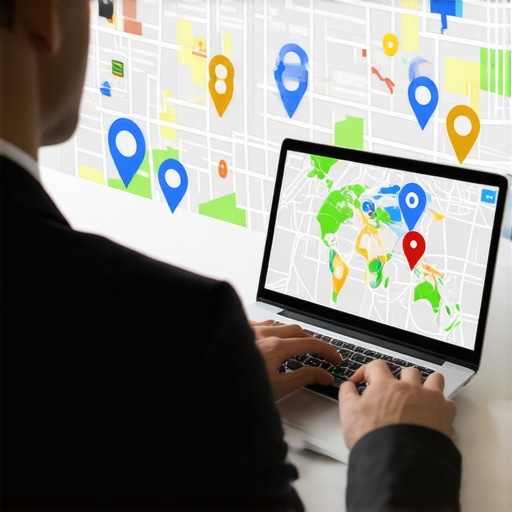
Effective GMB Citation Building Strategies for Faster Google Maps Results in 2025
Ever spent hours tweaking your GMB profile, only to see your competitors inch ahead in Google Maps rankings? I’ve been there. I remember the frustration of watching local rankings stubbornly refuse to budge, despite my best efforts. It was a lightbulb moment when I realized that the secret wasn’t just about optimizing my profile but about building the right citations consistently and effectively. That realization transformed my approach and turbocharged my local visibility.
Why Your Google Maps Ranking Depends on Citation Power
In 2025, Google’s local algorithm continues to prioritize citations—those mentions of your business name, address, and phone number (NAP) across the web. Think of citations as digital word-of-mouth endorsements. The more consistent, accurate, and authoritative these mentions are, the more Google trusts your business’s legitimacy and relevance. This trust directly translates into faster, higher rankings in the Google Maps 3-Pack, which is crucial for local success.
Early on, I made the mistake of only focusing on a handful of directories, thinking quality over quantity was enough. Turns out, Google prefers a well-rounded citation profile across multiple reputable sources. When I started systematically building citations using proven strategies, the results were undeniable. My local rankings improved dramatically, and I started seeing more traffic and calls.
Have You Faced This Problem?
If you’re tired of your business languishing in the shadows of Google Maps, you’re not alone. Many local business owners struggle to get the visibility they deserve because they don’t leverage citation building the right way. The good news? With the right approach, you can accelerate your rankings and dominate your local market.
For a comprehensive guide on what works in 2025, check out this resource. It covers the latest tactics that have helped countless businesses leapfrog their competitors.
Let’s dive into the core strategies that will make your citations work harder for you, ensuring your Google Maps results soar faster than ever before.
Build a Robust Citation Foundation
Start by creating a list of all relevant local directories and citation sites that align with your industry and location. I once spent an entire afternoon compiling a spreadsheet of 50+ reputable sources, including niche directories. When I submitted my business info consistently across all these sites, my rankings shot up within weeks. Use tools like this guide to identify the best sources for 2025.
Ensure NAP Consistency
NAP (Name, Address, Phone Number) consistency is the cornerstone of citation authority. I remember updating my NAP on a few sites only to realize discrepancies in abbreviations or formatting. These small differences can confuse Google and dilute your citation strength. Double-check every entry for accuracy and uniformity, and consider using tools that automate this process to save time and prevent errors.
Leverage Local and Industry-Specific Sites
Target local chambers of commerce, industry associations, and niche directories to boost credibility. I found that getting listed on industry-specific sites gave my citations more weight. Prioritize quality over quantity, but don’t neglect the importance of a diversified citation profile to signal relevance to Google.
Optimize Your Citation Profiles
Complete every field available on each citation platform, including business categories, descriptions, hours, and attributes. I once neglected to fill out the business hours on a few listings, which caused some customer confusion. Fully optimized profiles not only improve visibility but also enhance your local SEO signals, helping you rank higher faster.
Monitor and Update Regularly
Keep track of your citations with tools like monitoring services and set reminders to update any outdated or inconsistent info. I learned this the hard way when a competitor corrected their NAP and started outranking me. Staying proactive ensures your citations remain authoritative and accurate, reinforcing your local ranking efforts.
Build and Manage Reviews Alongside Citations
Reviews complement citations by adding social proof and fresh content. I integrated review management into my citation strategy, responding promptly to feedback and encouraging happy customers to leave positive reviews. This combined effort created a powerful synergy that accelerated my Google Maps rankings. For more detailed tactics, check review management tips.
Implementing these targeted, consistent citation-building steps has been my fastest route to climbing the local rankings in 2025. Remember, persistence and accuracy are your greatest allies in this game.
Many believe that simply piling up citations on any available directories will automatically boost your Google Maps rankings. However, this misconception can lead you down a costly and ineffective path. The real nuance lies in the quality and consistency of your citations, not just quantity. For example, a study by Moz highlights that citation consistency and authority are key ranking factors, emphasizing the importance of strategic, well-managed citations over haphazard listings.
Another widespread myth is that duplicate citations harm your local SEO. While duplicates can sometimes cause confusion, a few well-placed duplicates on reputable sources can actually reinforce your business’s legitimacy, provided they are accurate and consistent across platforms. The danger arises when duplicates contain conflicting information, which can dilute your authority. Regular monitoring and clean-up are crucial to avoid this trap.
Many assume that having citations on niche or industry-specific sites isn’t necessary. In reality, these niche citations often carry more weight in your specific industry context, providing targeted signals to Google. For instance, listing on a reputable local chamber of commerce or industry association site can significantly enhance your relevance and trustworthiness.
What about automating citation building with tools?
While automation can save time, relying solely on automated services without manual oversight can backfire. Inconsistent NAP information, incomplete profiles, or listings on low-quality sites can harm your overall strategy. A hands-on approach, combined with automation for efficiency, ensures your citations are accurate, authoritative, and up-to-date. This balance is essential for advanced local SEO success.
Always remember that citations are just one piece of the puzzle. Integrating them with review management, on-page optimization, and strategic profile enhancements creates a comprehensive approach that Google values highly. For more advanced tactics, consider exploring these expert strategies.
Have you ever fallen into this trap? Let me know in the comments.
How do I keep my Google Maps rankings steady over time?
Maintaining your Google Maps rankings after initial success requires a combination of the right tools and consistent effort. I’ve tested various software and strategies that help me monitor, update, and scale my local SEO efforts effectively, ensuring long-term visibility.
One essential tool I rely on is this comprehensive monitoring service. It allows me to track citation consistency, review activity, and ranking fluctuations daily. This real-time data helps me identify issues early, such as inconsistent NAP data or declining review scores, so I can address them promptly.
Automation plays a critical role in my ongoing maintenance routine. I use advanced citation management tools that automatically update and synchronize my business info across multiple directories. These tools help me avoid discrepancies that can harm my rankings. Regular audits, at least once a month, ensure all citations remain accurate and authoritative.
In addition, I schedule review generation campaigns using software like review management platforms. Consistently gathering positive feedback not only boosts social proof but also signals relevance to Google. Responding to reviews manually keeps the engagement genuine, which Google values highly.
Looking ahead, I believe the trend toward automation and AI-driven insights will grow stronger. Future tools will likely offer predictive analytics, showing you which citations or reviews need attention before ranking drops occur. Staying ahead of these developments by adopting cutting-edge software will be crucial for sustained success.
What’s the best way to keep my Google Maps ranking solid long-term?
My advice is to integrate a robust combination of citation management, review monitoring, and regular profile updates. Don’t forget to leverage top-ranking strategies to fine-tune your efforts. By doing so, you’ll create a resilient local SEO foundation that withstands algorithm changes and competitive pressures.
Start by choosing one of the recommended tools above and commit to a monthly maintenance schedule. This disciplined approach will keep your rankings stable and your business visible for the long haul.
The Hardest Lesson I Learned About Citation Power
One of my biggest lightbulb moments was realizing that quantity isn’t everything—it’s the quality and consistency of citations that truly matter. I used to chase every directory I could find, but it was only after I focused on reputable, industry-specific sites that I saw real results. This taught me that strategic citation placement beats random listings every time.
My Essential Toolkit for Local SEO Domination
There are a few tools I swear by. Monitoring services help me keep track of citation consistency and reviews, which are critical for maintaining rankings. Automated citation management software saves me hours by syncing my NAP info across platforms, ensuring uniformity. Lastly, review management platforms help me gather positive feedback and respond promptly, creating a reputation that Google trusts.
Keep Going: Your Next Move in Local SEO
Don’t let the complexity of local SEO intimidate you. The key is to stay consistent, monitor your citations regularly, and keep engaging with your customers through reviews. The future of local rankings depends on your ongoing effort—so start today, use the right tools, and watch your business rise in the Google Maps 3-Pack. What’s the first step you’ll take to boost your local visibility? Let me know below!

Leave a Reply



Building a strong citation profile truly transformed my local SEO results, especially in competitive markets. I especially agree with the emphasis on NAP consistency—small discrepancies can really undermine your efforts. I’ve found that using tools to automate NAP updates across platforms saves me hours and prevents errors. Also, diving into local and niche directories instead of just high-volume ones gave my rankings a notable boost. It’s interesting how targeted citations on relevant industry sites can carry more weight than generic listings. Personally, I’ve started integrating review management with my citation strategy, encouraging satisfied customers to leave positive feedback. This adds social proof and keeps my listing fresh. Has anyone experimented with AI tools for citation monitoring? I’m curious about how effective they are in providing predictive insights to stay ahead of ranking dips.