Why buying citations from Fiverr is a recipe for map failure
I vividly remember the moment I realized my local business was about to be overshadowed by a competitor, all because of a simple mistake. I had spent hours building what I thought were solid citations, many of them purchased from Fiverr, hoping to boost my Google Maps ranking. But within weeks, my profile’s visibility plummeted. That gut-wrenching fall was a wake-up call: relying on cheap, quick-fix citation services can be a recipe for map failure.
The Hidden Trap of Cheap Citations
For many small business owners, the allure of inexpensive Fiverr gigs is irresistible. Promises of instant ranking boosts and inexpensive solutions make it tempting to cut corners. But the truth is, these services often provide generic, low-quality citations that fail to pass Google’s authority checks. Early on, I learned the hard way that not all citations are created equal, and some can even harm your map visibility rather than improve it. If you’re serious about ranking in the coveted Google Maps 3-pack, you need to understand what really moves the needle.
Is Buying Citations Actually Worth the Hype?
Let me be honest—I made the mistake of thinking that more citations automatically equated to better rankings. I believed that volume trumped quality, and I decided to buy a batch of cheap citations from Fiverr without doing proper due diligence. Spoiler alert: Google quickly caught on, and my profile’s rankings suffered. Turns out, Google values context, relevance, and consistent citation signals far more than the sheer quantity of listings. This mistake slowed me down for months, and it’s a common pitfall many local businesses still fall into.
If you want a sustainable strategy, I recommend focusing on higher-quality, contextually relevant citations and avoiding the trap of cheap bulk services. For proven strategies, check out why your local citations aren’t being indexed, and discover what really matters in citation building.
In the next sections, I’ll share practical methods to build a robust local presence without risking penalties or wasting your budget on junk services. Ready to make your Google Maps rankings resilient and sustainable? Let’s dive into the details that can truly move your map position forward.
.
Prioritize High-Quality Citations That Speak Relevance
Start by auditing your existing citations using tools like citation audits. Remove or correct low-quality or duplicate listings that dilute your profile’s authority. Instead of buying cheap citations, focus on manually creating or claiming listings on authoritative directories relevant to your industry and locale. For example, if you’re a plumber in Austin, ensure your presence on local plumbing associations or chambers of commerce.
Implement Consistent NAP Everywhere
Inconsistencies in your Name, Address, and Phone number (NAP) can sabotage your ranking efforts. Develop a standardized NAP format and apply it uniformly across all platforms. This consistency acts like a strong signal that Google trusts, akin to a loyalty badge for local relevance. Regularly cross-verify your NAP data to catch errors, especially if you update your business info.
Optimize Your Business Profile for Keywords and Engagement
Revamp your Google Business Profile by inserting relevant keywords naturally into your description, services, and posts. Use targeted keywords like Many assume that optimizing their Google Business Profile (GMB) primarily involves keyword stuffing or buying cheap citations, but this approach overlooks critical nuances. In reality, focusing solely on surface-level tactics often leads to short-term gains at best, and penalties at worst. As a seasoned GMB SEO expert, I can tell you that **true optimization requires a deep understanding of Google’s evolving local algorithm signals**. Relying on generic GMB optimization services that only push low-quality citations or automate engagement can do more harm than good, especially since recent updates heavily weigh user sentiment and behavioral signals.
One common myth is that *more reviews automatically boost rankings*. While reviews are important, *quality and relevance matter more*, and how you respond can influence local ranking. However, many underestimate the importance of **accurate NAP consistency** and **local relevance signals**, which are often overlooked by amateur GMB SEO packages. These small details can make or break your presence in the coveted 3-pack.
Are Automated GMB Software Tools Really Reliable?
Many business owners fall into the trap of trusting automated GMB software that promises quick rankings. While tools can assist, they often **miss critical sentiment signals** or engagement nuances, which are invisible to automated processes. For instance, relying solely on such tools without **manual audits and strategic review management** might give you false confidence. According to GMB4You’s research, **about 40% of local signals may go unnoticed if you depend only on automation**—a statistic that highlights the importance of human expertise. Instead, consider comprehensive software that integrates sentiment analysis and behavioral data, ensuring your optimization aligns with Google’s current algorithms. For a detailed look into this, check out why your local citations aren’t being indexed by Google and discover how genuine local signals impact your rank.
Beyond citations and reviews, I advocate for **prioritizing local relevance over sheer volume**. For example, engaging with local community events or partnerships can generate authentic signals that search algorithms recognize as trustworthy. Remember that **Google values user experience signals**, like how often your profile receives directions requests or clicks, which many SEO packages neglect. Services that focus solely on static metrics risk missing the *bigger picture* of genuine local engagement. To optimize effectively, consider tailored strategies that **align with Google’s updated ranking parameters**—including behavioral and sentiment signals.
Would you like to learn specific ways to refine your GMB profile beyond basic optimization? I recommend exploring proven methods that have helped local businesses jump into the 3rd and 2nd positions. For more insights, visit how we fixed a map ranking stuck at number four and get actionable tips that can accelerate your journey to the top. Remember, effective GMB SEO isn’t just about higher rankings—it’s about building trust and engagement that convert into real leads. Have you ever fallen into this trap? Let me know in the comments.
Keep Your Optimization Efforts Alive with the Right Tools
Staying atop the local map rankings requires more than initial setup; it demands consistent maintenance using proven tools and methods. As a GMB profile seo expert, I rely on specialized software that goes beyond basic listing management. For instance, local ranking software that incorporates sentiment analysis ensures I monitor user engagement patterns accurately, which directly influence your position in the 3-pack. Regularly utilizing such tools helps me identify hidden issues, like inconsistent NAP data or unnoticed negative reviews, allowing for timely corrections that preserve rankings.
Moreover, I recommend integrating advanced citation audits to verify the quality and consistency of your citations over time. These audits reveal weaknesses that automated or bulk citation services often overlook, especially in dynamic local environments. Having a reliable process to review your citations ensures your profile maintains its authority and relevance, thus avoiding ranking slumps caused by outdated or incorrect information.
Why Consistent Engagement Matters More Than Ever
Engagement signals like reviews, Google Posts, and user interactions are crucial indicators of your profile’s health. As a profile seo expert, I utilize tools that track local interaction metrics in real-time, ensuring I can respond swiftly to reviews or update business info. For example, regularly posting fresh offers using GMB offers not only attracts customers but also signals activity to Google’s algorithm. This continuous activity helps sustain and boost your presence in the local pack, especially as Google’s local algorithm continues to evolve.
Looking ahead, future rankings will likely place increasing emphasis on genuine user behavior and engagement signals. To stay ahead, adopting tools that measure and interpret these nuanced metrics is essential. For example, track real local interactions diligently to adjust your strategy dynamically.
How do I maintain my GMB success over time?
Consistency is key. Regularly audit your citations for accuracy, keep your profile active with fresh posts and offers, and respond promptly to reviews. Employing advanced software tools that analyze sentiment and engagement patterns allows you to anticipate issues before they impact your rankings. For instance, testing new strategies like revising your business description with targeted keywords can lead to tangible improvements. I highly recommend trying the technique of optimizing your GMB descriptions for local keywords—such as including neighborhood names or service-specific terms—to give your profile an extra edge.
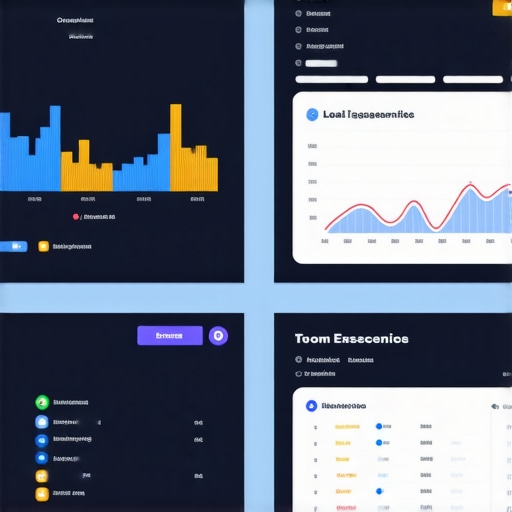
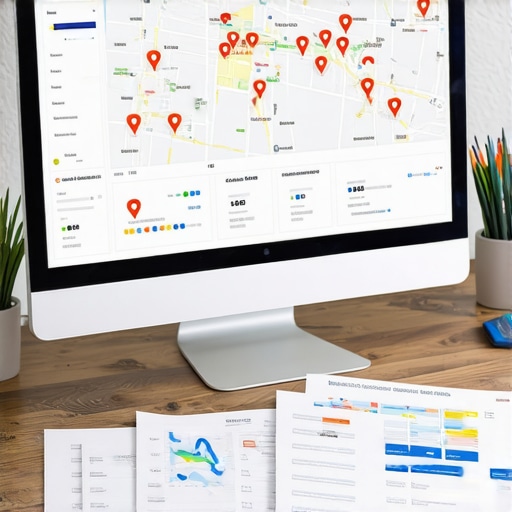
Imagine a dashboard filled with real-time metrics of your local profile’s health, highlighting areas needing attention—this is where specialized GMB software truly adds value. A visual like this underscores the importance of ongoing, data-driven maintenance in local SEO.
Through my experience, I’ve learned that the path to mastering google business profile optimization isn’t paved with quick fixes or cheap citations. Instead, genuine engagement, high-quality signals, and ongoing strategic adjustments are the backbone of sustainable local rankings. If there’s one thing I want you to take away, it’s that investing in your profile’s integrity yields long-term rewards, far beyond the temporary boosts that shortcuts promise. Remember, the most effective Google Maps ranking strategies are built on authentic signals and continuous refinement. So, stay curious, remain vigilant about your data, and continually seek out proven approaches that align with Google’s evolving algorithms. If you’re committed to elevating your local presence, now is the time to focus on trustworthy tactics over fleeting tricks—that’s the real secret to dominating the 3-pack.