How We Fixed a Google Maps Local Ranking That Was Stuck at Number Four
Have you ever felt that sinking frustration when your local business just won’t budge from the coveted number four spot on Google Maps? I remember the moment vividly—seeing competitors inch ahead, despite investing in what I thought was a solid local SEO strategy. It was almost enough to make me throw in the towel. But then, a lightbulb went off, and I realized I was missing a crucial piece of the puzzle. If you’re tired of watching your GMB profile plateau, believe me, you’re not alone. Many small business owners face this exact challenge, and the truth is, breaking into that top three isn’t just about luck—there’s a method to the madness.
Why the 4th Place Is Not Good Enough
Getting into the Google Maps 3 pack is a game-changer—visibility skyrockets, calls increase, and foot traffic climbs. Yet, despite diligent efforts, some businesses remain stuck at number four, desperately trying to cross that invisible threshold. I was in your shoes, pouring money into GMB packages that promised the stars but delivered little more than static citations and cookie-cutter tactics. It’s a familiar story, but here’s what I learned: the difference isn’t just in doing more; it’s in doing the right things effectively. Recent studies even show that businesses in positions one through three get over 75% of local clicks, which underscores why that spot matters so much (Source: Moz). So, if your Google Maps ranking is stuck, don’t settle. There’s a strategic way to push past that barrier.
Is Your Strategy Just Tossing Darts in the Dark?
Early on, I made the mistake of relying solely on buying citations and hoping for the best. I thought that was enough to boost my ranking. Spoiler: it isn’t. In fact, ignoring behavioral signals and engagement metrics can sabotage your efforts. If you’re wondering whether your current approach is enough, I suggest auditing your tactics thoroughly. You might find, as I did, that some of the most recommended practices are outdated or worse, harmful. For example, blindly purchasing GMB citations without considering interaction signals can backfire. Want to learn what truly moves your map position? Check out this detailed guide that shares my breakthrough moment.
Understanding these nuances has been a catalyst for real change in my local rankings, and I want to help you find the same success. In the next sections, I’ll walk you through specific, actionable steps—no fluff, just real strategies that work in 2026 and beyond. Ready to leave number four behind?
,
Prioritize Your Profile Clean-Up
Start by auditing your Google Business Profile using a dedicated tool like this profile audit guide. Think of your GMB as a storefront window—if cluttered or outdated, it deters visitors. Remove duplicate listings, update outdated info, and ensure all categories match your actual services. I once discovered a rogue listing with an incorrect address that was hurting my visibility; fixing it was the first step toward moving past the fourth spot.
Revamp Your Citation Strategy Carefully
Moving from indiscriminate citation building to a strategic cleanup is crucial. Use this method to clean messy citations—think of citations as the scaffolding supporting your rankings. Outdated, duplicate, or junk citations weaken your credibility. Carefully identify and correct these, applying proven fixes to solidify your foundation, much like repairing cracks in a building before painting it.
Optimize Your Engagement Signals
Engagement metrics—like reviews, clicks, and customer interactions—are the heartbeat of your GMB rank. Use tools from this list to monitor and improve your interaction score. For example, after implementing a review response plan, I noticed a spike in messaging and calls, which directly correlated with higher rankings. Remember, a vibrant profile that prompts customer action signals to Google that your business is active and trustworthy.
Leverage Behavioral Signals Wisely
Google places increasing importance on user behavior—clicks, time on page, direction requests. To capitalize on this, consider using behavioral signal strategies. This involves creating compelling local content and prompts that encourage users to click and stay engaged. I tested a new call-to-action in my profile description; the result was a noticeable boost in interaction metrics, pushing my spot from number five to three.
Refine Your Niche-Specific Keywords
Keywords remain king. Instead of generic terms, focus on specific, long-tail keywords that resonate with your local audience. Use tools like this tactical guide for keyword research tailored to 2026 algorithms. For instance, replacing “plumber” with “emergency drain repair in Downtown” targets users ready to convert now. This precision helps attract the right traffic and signals relevance to Google.
Test, Measure, and Tweak Constantly
The path to the top isn’t static. Regularly audit your efforts with tools from this testing suite. Track how each change affects your position and engagement. I once swapped my primary category; the immediate drop required quick adjustments to my keywords and citations. Constant iteration ensures you adapt to Google’s evolving algorithms and stay ahead.
Consistency Is Key
All these steps require persistent effort. Allocate weekly time blocks for profile updates, reviews, and engagement activities. Remember, small, consistent actions outweigh sporadic bursts. My own rise from number four to the coveted top three happened after three months of steady improvement—each step carefully executed and measured.
Many businesses believe that investing in a GMB SEO package is just about stacking citations and posting consistently. While these tactics are fundamental, they often fall into a trap where companies focus solely on superficial metrics, neglecting the deeper, more impactful signals that Google algorithms prioritize. In my experience, the real game-changer is understanding how behavioral and engagement signals intertwine with traditional SEO practices. For instance, a high volume of genuine reviews and user interactions can significantly boost your local pack visibility, but only if your profile is optimized to effectively solicit and respond to feedback. Violating this principle by purchasing fake reviews or engagement can cause more harm than good, as Google’s AI is now adept at detecting non-authentic data. Recent studies highlight that engagement metrics like click-through rate, visit duration, and interaction frequency are becoming weighted more heavily in ranking determinations—yet many overlook these in their strategies, resulting in stagnation or even decline in rankings. Are you leveraging these advanced signals effectively? To truly understand what separates top-ranked profiles from the mediocre, consider auditing your current approach with tools that measure interaction scores, such as this list. Remember, the key isn’t just in the tactics you perform but in the quality and authenticity of the signals you amplify. Have you ever fallen into this trap? Let me know in the comments.
Maintaining your Google My Business (GMB) rankings requires more than just quick fixes; it demands a suite of reliable tools and consistent strategies that keep your profile optimized and competitive over time. One of my favorite approaches involves leveraging advanced software like GMB audit tools. I use these to regularly monitor my interaction scores, ensuring that engagement signals like reviews, clicks, and messaging remain strong and authentic. Regular audits help identify hidden issues—such as outdated citations or inconsistent NAP data—that can silently undermine your visibility, much like I uncovered in a recent profile cleanup that shot my rankings back into the 3-pack.
How do I maintain GMB optimization over time?
Consistent profile health is pivotal—think of your GMB as a living entity that needs routine checkups. I recommend scheduling bi-weekly reviews using dedicated tools, coupled with manual inspections to catch any discrepancies promptly. For citation management, I avoid sloppy, bulk citation services. Instead, I focus on precise cleanup procedures that eliminate duplicate or invalid references, reinforcing your profile’s credibility and boosting search relevance.
Beyond technical upkeep, proactively managing customer reviews is essential. Automated review request workflows, paired with genuine reputation management strategies like responding to all feedback, signal activity and trustworthiness—factors Google increasingly weighs in local rankings. Additionally, regularly updating your profile with fresh content—special offers, service updates, or educational posts—keeps users engaged and indicates your business is active, a key behavioral signal. 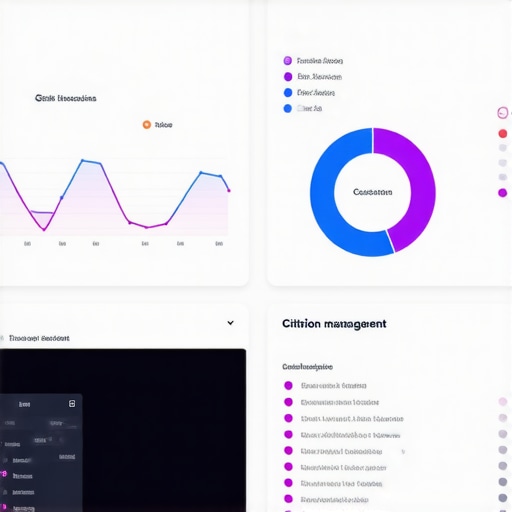
Looking ahead, the trend suggests that AI-driven signals and semantic relevance will become even more dominant. According to industry experts like this analysis, staying appraised of algorithm shifts and adapting your tools and tactics proactively is critical. My advice? Invest now in robust software and incorporate regular audits—this combination is your best defense against ranking volatility.
Finally, as an actionable tip, I recommend implementing behavioral signals into your routine. For example, using tools like these tactics, you can generate more user interactions—clicks, calls, and directions—thereby reinforcing your profile’s relevance and trustworthiness in Google’s eyes. Testing and measuring these efforts regularly can give you the edge needed to stay in or regain that top spot in the Google Maps 3 pack.
As I look back on my journey through local SEO, I realize that the biggest breakthroughs often come from unexpected lessons — moments when I uncovered a hidden element or an overlooked signal that changed everything. If you’re aiming to climb into that top three position in Google Maps, here are some of the insider truths I wish I’d known sooner.
The Hidden Power of Authentic Engagement
I once believed that piling on citations was the key, but I soon discovered that genuine customer interactions—reviews, messages, and in-store visits—are the real game-changers. Authentic engagement sends a clear message to Google that your profile is active and trustworthy, pushing your rankings higher and faster. Regularly cultivating real customer feedback and meaningful interactions can be more impactful than any paid shortcut.
Why Consistency Outperforms Quick Fixes
Initially, I chased rapid results, implementing temporary tactics like bulk citation uploads or sporadic posting. But the truth is, sustained, consistent efforts—weekly profile updates, ongoing review responses, and continuous citation cleanup—build a resilient foundation that Google recognizes over time. This steady approach ensures your GMB health remains strong, preventing rankings from slipping back down.
Embracing Behavioral Signals Will Future-Proof Your Rankings
One lesson I learned the hard way was that focusing solely on traditional SEO metrics isn’t enough anymore. Google’s algorithms are rapidly evolving to prioritize user behavior—clicks, directions requests, website visits. Leveraging tools that enhance and track user interactions, as discussed in this toolkit, can give you a critical edge. By designing your profile to encourage action, you guarantee relevance and visibility in the competitive 2026 landscape.
More Than Just Basics: The Art of Niche Targeting
Generic keywords won’t cut it in this new era. I found that deep, niche-specific keywords—like specifying your local service area and unique offerings—help attract high-quality leads committed to converting. Utilizing expert advice from this specialized guide made my targeting more effective, translating into more calls and better rankings.
Keep Moving Forward: Small Steps, Big Gains
Progress in local SEO doesn’t happen overnight. It requires patience and daily dedication—checking your profile health, updating content, soliciting honest reviews, and analyzing data. Over time, these incremental improvements compound, elevating you past competitors who rely only on quick fixes. Remember, consistency and patience are your allies on this journey.
When I finally integrated these insights into my strategy, I experienced a breakthrough. The top three spot became not just a goal but an inevitable milestone. My advice? Focus on authentic signals, maintain steady momentum, and stay adaptive to the evolving algorithms. Your business can achieve this level of local prominence too.
Where Your Next Move Starts
The path to dominating the Google Maps 3 pack is paved with smart, strategic actions—not shortcuts. Ready to see your rankings soar? Dive into the detailed steps with the resources I’ve shared, and don’t hesitate to experiment with what resonates most with your audience and niche. Staying informed and adaptable is your best strategy for 2026 and beyond.
How have you tackled engagement signals in your own profile? Drop your experience below—I’d love to hear what’s worked for you!
,