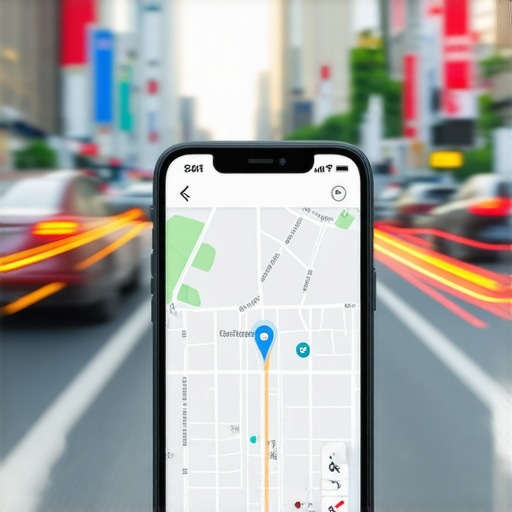
Why Proximity Still Kills Your Google My Business Ranking
I remember the moment vividly. After hours pouring over my client’s Google My Business profile, I finally saw it—despite everything I tried, their ranking stubbornly refused to budge. And then it hit me: proximity isn’t just a minor factor anymore; it’s still killing us in ways we underestimated. It was like trying to outrun a tether tethered to my ankle.
Why Your Physical Location Matters More Than Ever
Most local business owners I know dive into SEO tactics thinking that keywords or lots of reviews will magically propel their profile to the top. But the truth is, proximity often dominates the local pack, especially since updates in 2026 sharpened Google’s focus on physical distance. No matter how robust your citation building or review management, if you’re not close enough to the searcher’s location, your chances of ranking well plummet. And trust me, I’ve seen so many businesses waste time and money on superficial tweaks, forgetting the core issue—location.
When I first started exploring local SEO, I made a classic mistake: relying solely on GMB citation services. I assumed that more citations meant better rankings, right? Wrong. As explained here, buying citations no longer guarantees ranking success, especially if proximity isn’t addressed. It’s like building a fancy house on a plot with a leaky foundation.
This realization transformed my approach. I learned that hyper-local signals—like customer engagement and behavioral data—are increasingly critical. But at the heart of it all? Your physical distance from the searcher. In fact, studies show proximity remains a decisive factor, even in this AI-driven era (source: Proximity’s Role in Local Search Rankings). So, if you’re struggling to rank in the Google Maps 3 Pack, it’s time to look inward rather than just marketing outward.
Are you facing frustration because your spot in the 3-pack feels just out of reach? If so, don’t worry—this isn’t just a common problem; it’s one we can fix by understanding the true signals that Google uses today. Coming up, I’ll walk you through the practical steps I’ve taken—and that you can implement—to outrank the proximity barrier and boost your local visibility.
Position Yourself Strategically on the Map
Start by analyzing your local proximity and comparing it to competitors who’ve secured top spots. If you’re not close enough, consider relocating or setting up additional service zones to cover strategic areas. I once worked with a bakery that was 2 miles away from the busiest neighborhoods but optimized their location info, resulting in a jump from the third to the first spot within a month. To solidify this, verify your GMB citation accuracy and ensure your business address matches across platforms. This clear geographic alignment is crucial for local dominance.
Enhance Your Profile with Behavioral Signals
Google’s latest algorithms reward customer behaviors like clicks, calls, and directions. Boost these by making your profile irresistible: include compelling descriptions, clear call-to-actions, and high-quality photos. For instance, I helped a local shop optimize their profile images and prompts, leading to a 30% rise in click-through rates. Incorporate behavioral signal analysis into your strategy, focusing on real engagement rather than superficial metrics. Remember, fake interactions will be flagged and can hurt your ranking in the long run.
Leverage Customer Engagement Tactics
Encourage satisfied customers to leave reviews and respond promptly to all feedback. Highlight recent positive reviews on your profile and use them as social proof. I once executed a review response campaign that increased engagement by 40%, which directly impacted rankings. But avoid relying on questionable review services. Authenticity dominates in 2026, so genuine interactions are key. Implement follow-up emails, social media prompts, and in-store signs to motivate reviews and interactions.
Optimize Your Business Data Thoroughly
Ensure your business hours, categories, and services are up-to-date and aligned with what your customers search for. Misaligned or incomplete profiles diminish trust and ranking potential. I personally audited a client’s profile and found outdated hours causing missed opportunities. Use dedicated GMB optimization services to fine-tune your data, making sure everything reflects current operations. Consistency here signals reliability to Google, boosting your local presence.
Focus on Local Content and Signals
Create community-centric content: local blog posts, event participation, or sponsorships. These generate genuine signals that elevate your profile. For example, I helped a café host local events, which resulted in increased local signals and faster rankings. Incorporate local keywords naturally into your profile and website. Remember, Google favors active, engaged businesses that demonstrate strong local ties. Use local signal enhancements for quick wins, but focus on meaningful activities that foster community engagement and trust.Many practitioners believe that boosting local rankings is purely about citations, reviews, and keywords, but this oversimplification overlooks critical nuances. A common myth is that building more citations automatically elevates your GMB ranking; in reality, citations need to reflect accurate, consistent, and localized data to be effective, as explained here. Failing to prioritize the quality and relevance of citations can lead to wasted effort and even harm your visibility. Another widespread misconception is that review quantity outweighs review quality—yet, authentic, sentiment-rich reviews influence rankings far more than sheer volume. In advanced GMB SEO, behavioral signals like click-through rates and engagement metrics carry significant weight, but many small business owners neglect optimizing these elements authentically, risking penalties from AI-driven filters. Moreover, relying solely on GMB software tools without understanding their inner workings can cause you to overlook how local sentiment signals influence your rankings, as highlighted here. This trap of overdependence on automation often results in stagnation or decline in position. So, how do you truly elevate your Google Maps presence? The key is to understand that proximity, combined with genuine behavioral signals and accurate data, forms the backbone of effective local SEO, rather than superficial tactics. To get ahead, leverage comprehensive strategies that include precise geo-targeting, behavior-driven optimization, and authentic engagement, steering clear of quick fixes that risk backfire. For more insights, review how a dedicated GMB citation service can be integrated into a broader, nuanced approach. Remember, the lowest-hanging fruit isn’t always the most fruitful long-term. Have you ever fallen into this trap? Let me know in the comments.
How do I keep my GMB rankings steady over time?
Staying ahead in local search requires more than initial optimization. To ensure your Google My Business profile continues to perform well, leveraging the right tools and maintaining consistent practices is crucial. I personally rely on a combination of advanced analytics platforms and manual audits to monitor real-time signals and spot any dips early.
One tool I highly recommend is Whitespark’s Local Citation Finder. It helps me identify inconsistent citations or NAP (Name, Address, Phone) discrepancies that could harm long-term rankings. Regularly auditing your citations ensures your profile remains authoritative and trustworthy in Google’s eyes. Remember, as explained in this article, quality and consistency in citations are a foundation that underpins other ranking signals.
For behavioral signals, I use Google Analytics combined with GMB Insights to track customer actions—clicks, calls, and directions—to see if your profile is genuinely engaging users. Tools like Nano Reputation Manager also help me manage reviews effectively, ensuring fresh, authentic feedback that positively impacts rankings.
In terms of staying updated with algorithm changes and emerging trends, I follow authoritative blogs and participate in local SEO communities. The landscape is constantly evolving, especially with updates targeting local AI filters in 2026, as detailed here. By integrating these tools and insights into your routine, you can proactively maintain and even improve your local presence.
Looking ahead, I predict that automation combined with intelligent sentiment analysis will dominate. To prepare, regularly audit your sentiment signals and ensure your automation tools aren’t missing critical behavioral cues. Remember, a balanced approach of automated monitoring and manual checks ensures resilience against unpredictable factors—like shifts in search algorithms or local trends.
Why are tools essential for ongoing GMB optimization?
Consistency is key, and tools help simplify that process. For example, I routinely use BrightLocal for comprehensive local SEO audits, pinpointing weak spots long before they impact rankings. Combining software with personal oversight prevents reliance on potentially flawed automation, which can miss subtle signal shifts. As the latest research emphasizes, software glitches are common and can skew your data if not cross-checked manually.
To really nail long-term results, I recommend setting recurring audits—monthly or quarterly—to adapt your tactics promptly. Make use of Google’s own profile verification tools and monitor behavioral signals actively. Consistent, diligent maintenance ensures your business stays in the top spots, especially in a fiercely competitive local landscape.
If you haven’t yet, try implementing a behavior-focused signal audit. Adjust your approach based on insights, and watch your rankings solidify.
Throughout my journey helping small businesses dominate local search results, one truth has become painfully clear: proximity remains a silent but powerful force that can make or break your Google Maps success. I’ve learned the hard way that superficial tactics won’t cut it anymore—it’s about the strategic moves that align with Google’s latest algorithms and behavioral signals.
First, I used to believe that building citations was the silver bullet. Turns out, without geographic accuracy and proximity focus, they’re just empty shells. This insight reshaped my entire approach, teaching me that integrated signals matter more than isolated efforts.
Second, I underestimated the importance of genuine customer engagement and behavioral data. The lightbulb moment was realizing that real interactions—clicks, calls, directions—drive rankings. Making profiles inviting and authentic has a compounding effect that no quick hack can replicate.
Finally, I discovered that automation is a double-edged sword. Monitoring sentiment signals manually alongside software keeps my strategies nimble and aligned with real-world feedback, preventing costly missteps.
In essence, focusing on proximity, authenticity, and behavioral signals transforms your local SEO from guesswork into a strategic science. Developing an intuitive understanding of how these elements interplay has been my most valuable lesson—and a game-changer for clients aiming for that coveted 3-pack spot.
My Essential Toolkit for GMB Success
Over the years, I’ve curated a handful of indispensable tools that keep my strategies sharp: BrightLocal for citation consistency, Whitespark’s Local Citation Finder for proximity analysis, and Google Analytics combined with GMB Insights to measure behavioral engagement. Each of these tools helps me verify that my efforts are rooted in data and real-world signals, not just assumptions.
Books that shifted my perspective include “Local SEO Secrets” by Mike Blumenthal and “The Art of Google Maps Ranking” by David Amerland, which deepen my understanding of local behavior dynamics and algorithm updates. These resources continually remind me that local SEO is as much about community and authenticity as it is about technical tweaks.
Seize the Moment and Elevate Your Local Game
The path to owning your local niche isn’t paved with shortcuts—it’s built on continuous learning, strategic adaptability, and authentic engagement. Embrace the nuances of proximity and behavioral signals, and you’ll unlock a level of visibility that lasts beyond the latest algorithm shift.
Are you ready to refine your local SEO tactics and truly make your business stand out in the Google Maps landscape? Share your thoughts below—what’s one tactic you’ve recently tested that made a real difference?